Your 11-Month-Old Baby: Milestones, Play Ideas, and Everyday Routines
A practical, research-based guide to your almost-toddler’s big month of changes.
Your 11-Month-Old Baby: Milestones, Play, and Everyday Life
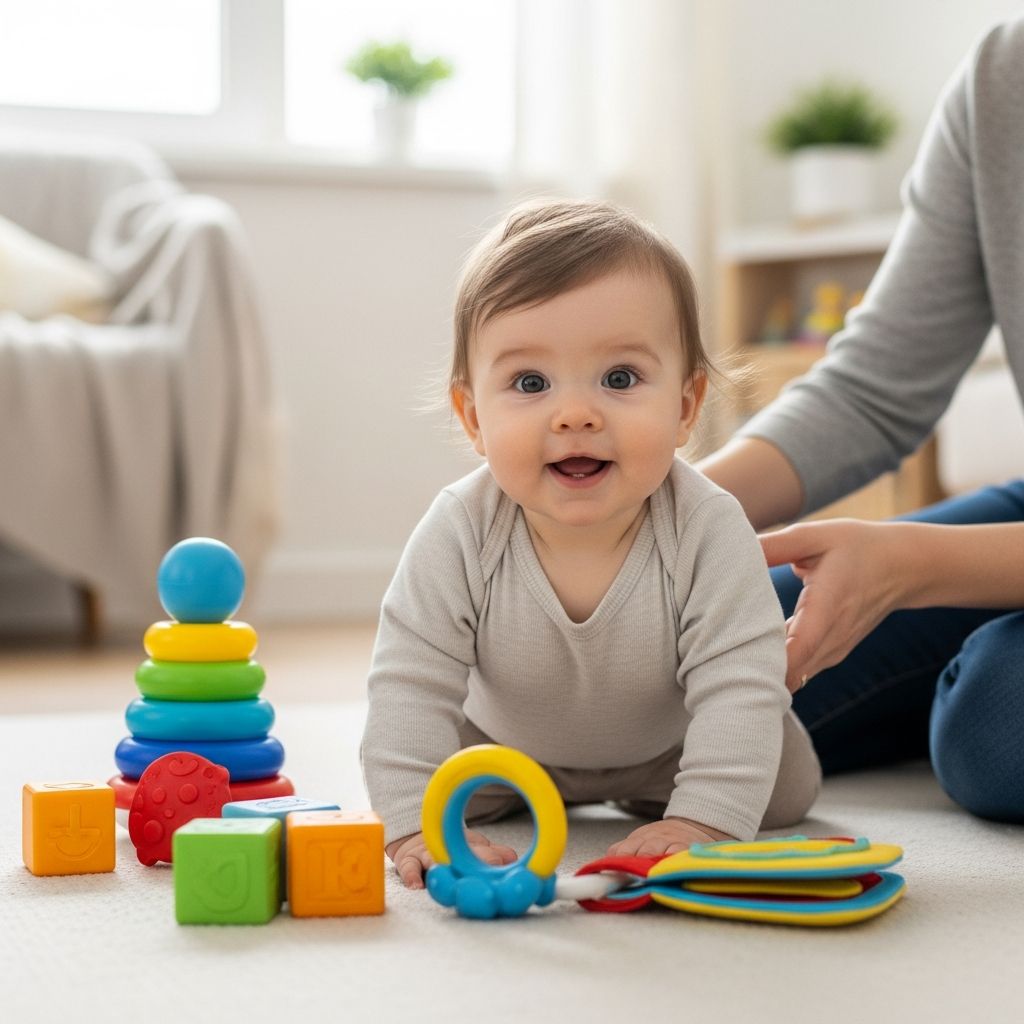
Eleven months is a thrilling age: your baby is no longer a tiny infant, but not quite a toddler. This stage is full of new skills, emerging independence, and chances to strengthen your bond through everyday routines.
What to Expect at 11 Months
Every baby develops at a unique pace, but there are common themes at 11 months. Many babies are increasingly mobile, more expressive, and more interested in exploring how the world works. Rather than focusing on exact dates, think in terms of ranges and patterns.
Use the ideas below as a gentle guide, not a test your baby has to pass. If something seems very off or you have a gut feeling that something is wrong, it is always reasonable to check in with your pediatrician.
Developmental Milestones Around 11 Months
Milestones are skills that most babies can do by a certain age. They fall into a few broad areas: movement, communication, thinking skills, and social–emotional growth. Your baby may be ahead in one area and slower in another, and that can still be completely normal.
Movement and Coordination
By 11 months, many babies are highly active, using their bodies to reach, climb, and explore. This movement builds strength and coordination and sets the stage for confident walking later.
- Crawling quickly or using an alternative movement style (scooting, rolling, or a mix).
- Pulling to stand using furniture, your legs, or sturdy objects.
- Cruising along the couch or coffee table while holding on.
- Transitioning between positions, such as going from sitting to crawling and back again.
- Using fingers with more precision to pick up small objects and bits of food.
Thinking and Problem-Solving
Your baby’s brain is rapidly making new connections. Everyday actions like dropping a toy or opening a drawer are not just mischief; they are early experiments in cause and effect.
- Looking for toys that roll out of sight or are hidden under a cloth.
- Trying multiple ways to get to something interesting (crawling around, going under, or pulling to stand).
- Exploring toys by banging, shaking, turning, opening, and closing.
- Recognizing familiar people, places, and routines and reacting to changes.
Language and Communication
Even if your baby only says a word or two, communication is happening all day through gestures, sounds, and eye contact. Responding to these signals helps build strong language skills later.
- Babbling with changing tone, such as “da-da-da?” or “ba-ba!”
- Using gestures like waving, clapping, or lifting arms to be picked up.
- Understanding simple phrases such as “come here,” “give it to me,” or “all done.”
- Recognizing their name and turning toward familiar voices.
Social and Emotional Growth
Emotional development is just as important as physical milestones. At 11 months, many babies are becoming more aware of other people’s feelings and their own need for security.
- Showing shyness or caution around unfamiliar people.
- Seeking comfort from a primary caregiver when upset or overwhelmed.
- Smiling, laughing, and engaging in playful back-and-forth interactions.
- Protesting when a toy is taken away or when told “no.”
Daily Life with an 11-Month-Old
Routines become especially helpful around this age. Structured but flexible days give your baby the predictability they crave while leaving room for exploration and fun.
| Time of Day | Possible Activities |
|---|---|
| Morning | Wake up, milk feeding, breakfast, floor play, short outing (walk, errands, park). |
| Midday | Nap, lunch, quiet play (books, songs), independent play near you. |
| Afternoon | More active play (climbing, push toys), snack, time outdoors if possible. |
| Evening | Dinner, wind-down routine (bath if used, pajamas, books, cuddles), bedtime. |
This is only an example, not a schedule you must follow. Focus less on specific times and more on a predictable order: wake, eat, play, sleep, repeat.
Play Ideas to Support Learning
Play is how your 11-month-old learns. You do not need elaborate toys. Simple objects, safe household items, and your attention are more valuable than anything that lights up or plays music on its own.
Movement-Based Games
- Pillow mountains: Stack firm pillows or couch cushions on the floor and let your baby crawl over, under, and around them while you supervise.
- Tunnel crawling: Create a tunnel with a cardboard box or by draping a blanket over chairs, and encourage your baby to crawl through to reach you.
- Push and walk: Offer a stable push toy, laundry basket with a heavy object inside, or sturdy chair for your baby to push while practicing steps.
Fine Motor and Sensory Activities
- Container fun: Provide plastic containers and safe objects to put in and take out. Babies love repeating this over and over.
- Simple stacking: Use blocks, cups, or boxes to stack and knock down. Your baby may not stack yet but can start to try.
- Texture exploration: Offer a small basket with items of different safe textures: a soft washcloth, a silicone spoon, a smooth wooden spoon, a crinkly paper bag.
Language and Connection Activities
- Shared book time: Let your baby turn board-book pages, point to pictures, and babble while you label a few items on each page.
- Song routines: Use the same simple songs during diaper changes, hand washing, and bedtime to build recognition and comfort.
- Copycat conversations: Imitate your baby’s sounds, then pause to let them answer back. This teaches the back-and-forth rhythm of conversation.
Feeding Your 11-Month-Old
At 11 months, many babies are eating a variety of solid foods in addition to breast milk or formula. The focus shifts from introducing solids to including your baby in family-style meals when possible.
Typical Foods and Textures
As long as the food is soft, cut into safe sizes, and not a choking hazard, most healthy family foods can be adapted for your baby. Avoid added salt and sugar and keep honey off the menu until after the first birthday.
- Soft fruits such as ripe banana, avocado, melon, or cooked apple.
- Well-cooked vegetables cut into small pieces or strips.
- Soft grains like oatmeal, rice, pasta, or small pieces of bread.
- Protein sources such as scrambled egg, well-cooked beans, shredded chicken, or flaky fish (watch for bones and allergies).
Encouraging Self-Feeding
Self-feeding boosts independence and fine motor skills. It is also very messy, which is completely normal at this age.
- Offer bite-sized finger foods your baby can pick up using thumb and forefinger.
- Provide a child-sized spoon and let your baby practice, even if you also offer help.
- Sit together at the table when possible so your baby can watch and copy you.
Safety at Mealtimes
Sitting safely and staying present while your baby eats are the most important safety steps. Choking is more likely when babies eat lying down, walking, or riding in a car seat.
- Seat your baby upright in a high chair or booster with proper straps.
- Avoid small hard foods like whole nuts, whole grapes, large chunks of raw carrot, and popcorn.
- Stay off phones and screens so you can watch for signs of difficulty.
Sleep and Naps at 11 Months
Sleep at this age can feel unpredictable. Some 11-month-olds sleep long stretches at night; others still wake. Teething, new skills, and separation anxiety can all impact rest for short periods.
Common Sleep Patterns
- Many babies still take two naps, often one in the morning and one in the afternoon.
- Some are beginning to transition to one longer midday nap, though this shift can be bumpy.
- Total sleep in 24 hours often falls within a broad range; looking at mood and energy can be more useful than counting minutes.
Supporting Better Sleep
Small consistent changes often help more than dramatic overhauls. The goal is to make bedtime predictable and calming.
- Keep a simple bedtime routine: for example, pajamas, book, milk, song, and then bed.
- Offer plenty of active play and daylight during the day, with calmer activities close to bedtime.
- Respond consistently at night in a way that feels sustainable for your family, whether that involves brief check-ins or more hands-on soothing.
Safety for Your Almost-Toddler
Increased mobility means new safety concerns. Instead of constantly saying “no,” try to create an environment where your baby can safely explore while you supervise.
Home Safety Checks
- Secure heavy furniture and televisions to the wall to reduce tipping risks.
- Use outlet covers and cord organizers to keep electrical hazards out of reach.
- Install safety gates near stairs and in rooms that are not baby-proofed.
- Store medicines, cleaning supplies, and small objects in locked or out-of-reach cabinets.
Safe Exploration Strategies
Babies learn by touching, climbing, and investigating. Rather than stopping every attempt, try channeling their curiosity to safer options.
- Offer a low drawer or cupboard filled with safe items your baby can unload and reload.
- Create a designated “yes” space such as a play yard or gated room where nearly everything is safe to touch.
- Use calm, simple phrases like “not safe” and gently redirect to a better choice.
Supporting Independence and Setting Limits
At 11 months, babies are starting to realize they are separate people with their own preferences. This is exciting but can also bring more frustration and power struggles.
Encouraging Independence
- Let your baby try simple tasks such as holding a washcloth during bath time or helping pull off socks.
- Offer two acceptable choices when possible, such as between two shirts or two snacks.
- Allow extra time for your baby to attempt new skills, even when it makes routines slower.
Gentle Early Boundaries
Limits are not about being harsh; they are about keeping your baby safe and teaching what is acceptable. Consistency matters more than perfection.
- Use brief, clear phrases like “hot,” “too high,” or “not for babies.”
- Follow words with action: move the object, pick up your baby, or change the environment.
- Expect some tears or protests; comfort your baby while still keeping the limit.
Taking Care of Yourself
Caring for an 11-month-old can be physically tiring and mentally demanding. Recognizing your own needs is not selfish; it allows you to show up more calmly for your baby.
- Accept help when it is offered, whether that means a short break or support with chores.
- Build small moments for yourself into the day, such as a quiet cup of tea after bedtime or a short walk.
- Connect with other caregivers—online or in person—who understand this stage.
Frequently Asked Questions About 11-Month-Olds
Does my 11-month-old need to be walking?
No. Some babies walk before their first birthday, while others take several more months. What matters more is steady progress in strength and mobility, such as pulling to stand, cruising, or crawling efficiently.
How much should my 11-month-old be eating?
There is no single “right” amount. Offer a variety of nutritious foods at regular meal and snack times, and let your baby’s hunger and fullness cues guide portions. Appetite naturally varies from day to day.
Is it a problem if my baby does not say any words yet?
Many 11-month-olds communicate mostly through sounds and gestures, with few or no clear words. If your baby makes eye contact, responds to their name, babbles, and uses gestures, this is often reassuring. Talk with your pediatrician if you are worried or notice a loss of skills.
What if my baby still wakes at night?
Night waking at 11 months is very common. New skills, separation worries, and changing sleep needs can all lead to temporary disruptions. Consistent routines and calm responses usually help things settle over time.
When should I speak with a doctor about development?
If your baby seems very floppy or very stiff, does not use eye contact, does not show interest in people, or has stopped doing things they used to do, contact your pediatrician. Trust your instincts; you know your baby best.
Life with an 11-month-old can be noisy, messy, and wonderfully busy. By focusing on safe exploration, responsive care, and simple routines, you support your baby’s growth while also making room to enjoy this short, special stage before the first birthday.
Similar Articles







Read full bio of Sneha Tete