5:1 Ratio For Thriving Marriages: 4 Practical Strategies
Unlock the science-backed secret to marital bliss: balancing positive and negative interactions for enduring happiness.
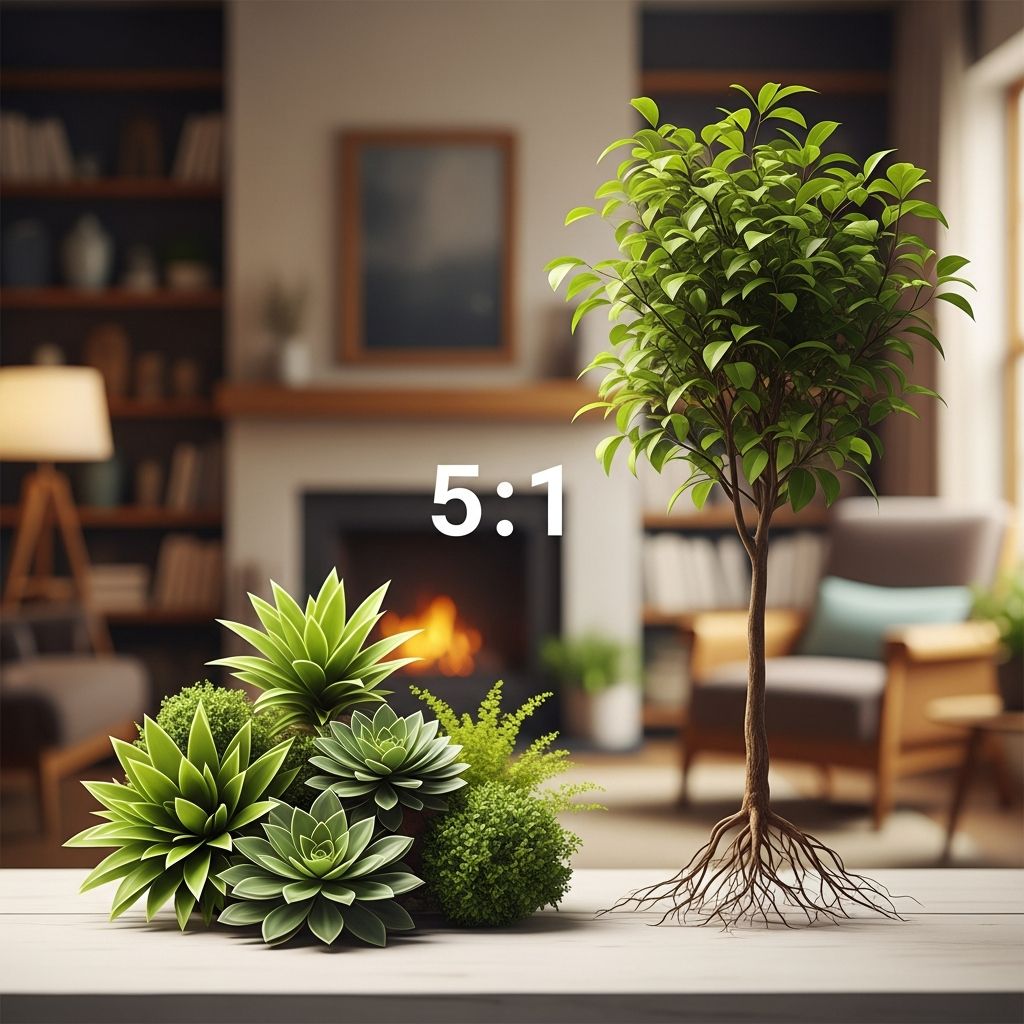
The 5:1 Ratio for Thriving Marriages
In the quest for a fulfilling partnership, research points to a simple yet powerful principle: the balance between positive and negative interactions. Couples who sustain roughly five positive exchanges for every negative one report higher satisfaction and stability. This ratio, drawn from decades of observation, offers a roadmap for nurturing love amid life’s challenges.
Understanding the Core Balance in Relationships
Healthy marriages thrive on emotional connectivity. Positive moments—such as compliments, laughter, or affectionate touches—build resilience, while negatives like criticism or arguments can erode it. Studies show that happily married individuals, comprising about 74% of U.S. adults or roughly 98 million people, often maintain this equilibrium naturally.
Disruptions occur when negatives outweigh positives, leading to dissatisfaction. Nationwide surveys reveal stark regional differences: West Virginia boasts 90% happy marriages (635,000 people), while North Dakota lags at around 33% (97,000). These variations underscore how intentional positivity can elevate any union.
- Daily Positives: Smiles, gratitude expressions, shared humor.
- Negative Pitfalls: Sighs, eye-rolls, harsh words.
- Impact: A deficit predicts decline; surplus fosters growth.
Scientific Foundations of the Ratio
Renowned psychologist John Gottman pioneered this insight through his ‘Love Lab,’ analyzing thousands of couples. By measuring heart rates, facial expressions, and dialogue, he predicted divorce with over 90% accuracy. The key? A 5:1 ratio during conflicts separates masters from disasters.
Recent data aligns: Married adults report 58% ‘very well’ relationship status versus 41% for cohabitors, even after controlling for demographics like age and education. This edge stems from structured commitment, amplifying positive reinforcement.
| Interaction Type | Happy Couples Ratio | Unhappy Couples Ratio |
|---|---|---|
| Positive (praise, support) | 5+ | 1 or less |
| Negative (criticism, contempt) | 1 | 1+ |
| Outcome | Stability | High divorce risk |
This table illustrates the tipping point. Below 5:1, even neutral exchanges feel draining.
Premarital Choices and Long-Term Success
Timing matters profoundly. Cohabitation before engagement correlates with lower satisfaction, dedication, and higher divorce suggestions (18.7% vs. 10.2%). Inertia theory explains: Shared leases or pregnancies create ‘sliding’ into marriage without full intent.
A University of Denver study of 1,600 first marriages (2010-2019) found 34% dissolution for pre-engagement live-ins versus 23% for post-engagement movers. Waiting builds clarity, boosting the positive ratio from the start.
- Engage first: Enhances confidence and communication.
- Avoid inertia: Discuss future explicitly before merging lives.
- Control factors: Education and religiousness moderate but don’t erase effects.
Optimal Age and Marital Quality
Outdated wisdom favored early marriage, but modern data refines this. In a 2015 newlywed cohort (CREATE study, ~3,600 participants), ages 18-53 showed nuanced patterns. Only 7% wed before 20; 5% after 35. Early unions risk instability, but mid-20s to early 30s optimize quality across 16 metrics: satisfaction, forgiveness, conflict management.
One-third married 20-25; 37% 26-30. Controls like cohabitation and parental divorce adjusted findings, revealing maturity trumps youth. Older first-timers report richer bonds, sustaining higher positives.
Barna data adds: 78% of adults marry once; 84% born-again Christians do, versus 65% atheists. Commitment norms amplify ratios.
Practical Strategies to Achieve 5:1
Implement daily. Start mornings with appreciation: ‘Thanks for making coffee.’ Respond to bids—subtle connection attempts—like ‘How was your day?’ with enthusiasm, not distraction.
- Track Interactions: Journal three positives per negative for a week.
- Repair Quickly: Use ‘I’m sorry, let’s reset’ post-argument.
- Build Rituals: Weekly date nights, daily check-ins.
- Express Needs Softly: ‘I feel overlooked when…’ over blame.
Couples practicing these see ratios climb. Mixbook notes 53% believe separate living works, yet 25% compare unions—focus inward.
Regional and Demographic Insights
U.S. happiness varies: Top states like West Virginia excel via community ties; bottom like North Dakota face isolation. Pew finds marrieds outpace cohabitors in trust and chores equity. Globally, births outside marriage proxy cohabitation rises, signaling shifts.
Demographics: Higher education and faith correlate with stability, per controls in studies. Tailor ratios culturally.
Frequently Asked Questions
What exactly counts as a positive interaction?
Gestures like hugs, genuine compliments, active listening, or shared laughs. Even small nods during talks build the tally.
Can the ratio fix a troubled marriage?
It helps but pairs best with therapy for deep issues like contempt. Consistent effort yields progress.
Does cohabitation always harm marriage odds?
Not always—post-engagement is safer. Pre-engagement raises risks via inertia, per replicated studies.
Is there an ideal marriage age?
26-30 balances maturity and vitality, per recent cohorts. Individual readiness trumps averages.
How many U.S. couples are happy?
About 74%, or 98 million, with state highs at 90%.
Overcoming Common Barriers
Parenthood stresses ratios—prioritize couple time. Work demands? Schedule micro-moments. Longevity aids: Six-year studies show persistent cohabitation effects, but interventions work.
Global trends: Divorce rates stabilize as marriages delay. U.S. norms evolve, with 59% 18-44-somethings cohabiting sometime.
Long-Term Maintenance
Sustain via annual retreats, feedback loops. Track via apps logging moods. Research affirms: High-ratio couples weather storms.
78% adults marry; success hinges on this balance. Invest daily for decades of joy.
References
- Study: The Most Happily Married Couples in America 2023 — Mixbook. 2023. https://www.mixbook.com/inspiration/study-the-most-happily-married-couples-in-america-2023
- The Pre-engagement Cohabitation Effect: A Replication and Replication — PMC/NCBI. 2018-05-15. https://pmc.ncbi.nlm.nih.gov/articles/PMC5956907/
- Age at First Marriage and Marital Quality: Updating Outdated Social Wisdom — Institute for Family Studies. 2023. https://ifstudies.org/blog/age-at-first-marriage-and-marital-quality-updating-outdated-social-wisdom
- New DU Study Highlights Risks of Living Together Before Engagement — University of Denver. 2023. https://www.du.edu/news/new-du-study-highlights-risks-living-together-engagement
- New Marriage and Divorce Statistics Released — Barna Group. 2023. https://www.barna.com/research/new-marriage-and-divorce-statistics-released/
- Key findings on marriage and cohabitation in the U.S. — Pew Research Center. 2019-11-06. https://www.pewresearch.org/short-reads/2019/11/06/key-findings-on-marriage-and-cohabitation-in-the-u-s/
- Marriages and Divorces — Our World in Data. 2023. https://ourworldindata.org/marriages-and-divorces
Similar Articles







Read full bio of Sneha Tete