ADHD Stimulants: Separating Fact from Misleading Risks
Exploring how ADHD medications balance benefits against rare risks like suicide, debunking media-driven fears.
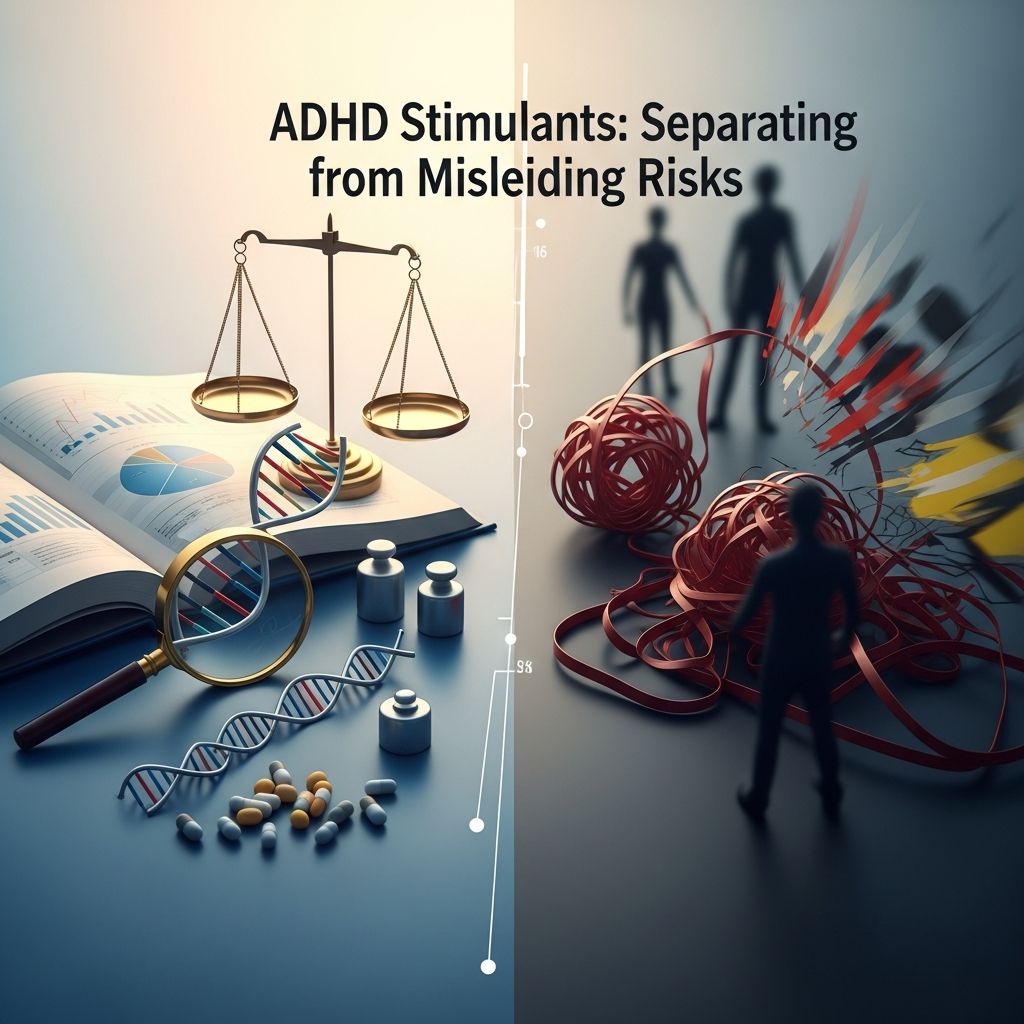
Stimulant medications remain a cornerstone in managing attention-deficit/hyperactivity disorder (ADHD), offering significant benefits for millions despite occasional reports linking them to severe outcomes like suicide. While tragic individual cases capture headlines, comprehensive research reveals these drugs generally enhance focus, motivation, and quality of life without elevating suicide risk—in fact, they often reduce it.
Understanding Stimulants in ADHD Treatment
Stimulants such as methylphenidate and amphetamines target key neurotransmitters like dopamine and norepinephrine, helping individuals with ADHD sustain attention on tasks that might otherwise feel unrewarding. Recent neuroimaging studies show these drugs activate arousal and reward pathways in the brain rather than directly boosting cognitive centers, mimicking the restorative effects of good sleep and countering fatigue-induced lapses. This mechanism explains why patients report feeling more engaged and persistent, transforming mundane activities into manageable ones.
For children and adults alike, proper dosing under medical supervision yields improvements in academic performance, social interactions, and emotional regulation. Untreated ADHD, conversely, correlates with higher rates of accidents, substance abuse, and mental health struggles, underscoring the value of timely intervention.
The Reality Behind Rare Tragic Incidents
Media stories often highlight isolated suicides shortly after starting stimulants, prompting fears of causation. However, such anecdotes overlook confounding factors like pre-existing severe depression, family history of mental illness, or abrupt discontinuation of prior antidepressants. Population-level data from meta-analyses indicate no overall increase in suicidal events among stimulant users; instead, ADHD treatment frequently lowers these risks by stabilizing mood and impulsivity.
Consider the context: ADHD itself triples the odds of suicidal ideation compared to the general population. Effective pharmacotherapy addresses this vulnerability, with longitudinal studies showing reduced attempts post-treatment initiation. Sensationalized reporting amplifies rare adverse events, distorting public perception and potentially deterring necessary care.
Benefits That Outweigh the Risks
- Improved Daily Functioning: Stimulants enhance task persistence, reducing frustration and boosting self-esteem.
- Lower Substance Use Risk: Treated ADHD patients show decreased propensity for alcohol and drug dependency.
- Safer Behaviors: Evidence points to fewer risky driving incidents and injuries among medicated individuals.
- Mental Health Gains: By alleviating core symptoms, these drugs mitigate secondary issues like anxiety and low mood.
These outcomes stem from stimulants’ ability to normalize brain activity patterns disrupted in ADHD, fostering long-term resilience.
Navigating Potential Side Effects
While generally safe, stimulants can cause side effects like insomnia, appetite suppression, or temporary mood fluctuations, which are dose-dependent and often resolve with adjustments. Severe reactions, including psychosis or tics, occur infrequently and primarily in misuse scenarios. Chronic recreational use heightens dangers, leading to paranoia, cardiovascular strain, and addiction, but prescribed therapeutic levels maintain a strong safety profile.
| Side Effect | Prevalence in Prescribed Use | Management Strategy |
|---|---|---|
| Insomnia | 10-25% | Timing dose earlier, behavioral sleep hygiene |
| Appetite Loss | 20-40% | Nutrient-dense meals, dose optimization |
| Mood Changes | <5% | Monitor and titrate; screen for comorbidities |
| Cardiac Effects | Rare (<1%) | Baseline ECG if history of heart issues |
Regular monitoring ensures benefits persist while minimizing discomfort.
Misuse and Diversion: A Growing Concern
Non-medical use of prescription stimulants, particularly among students seeking academic edge, introduces real hazards. Surveys reveal links to elevated depression, anxiety, and diminished quality of life, with amphetamine misusers facing higher psychiatric hospitalization rates. Injection or high-dose abuse amplifies lethality through vascular damage or overdose.
Paradoxically, legitimate ADHD treatment curbs misuse tendencies, as medicated individuals report lower diversion rates. Educational campaigns and prescription safeguards, like secure storage and non-refillable scripts, are vital to curb diversion.
Brain Science: How Stimulants Truly Work
Advanced fMRI research challenges old assumptions, revealing stimulants heighten alertness and reward sensitivity without sharpening raw cognition. In sleep-deprived subjects, they restore functional connectivity akin to rested states, prioritizing engagement over rote focus. This shift explains sustained performance on unappealing tasks, a boon for ADHD management.
Long-term neural adaptations from abuse impair decision-making circuits, including the orbitofrontal cortex and striatum, fueling impulsivity and addiction cycles. Therapeutic use avoids these pitfalls, preserving executive functions.
Guidelines for Safe Prescribing
Clinicians emphasize comprehensive evaluation before starting stimulants: screen for bipolar disorder, substance history, and cardiac risks. Start low, titrate slowly, and pair with therapy for holistic care. Families should track mood, sleep, and behavior, reporting changes promptly.
Guidelines from bodies like the American Academy of Pediatrics advocate stimulants as first-line for moderate-to-severe ADHD, backed by decades of efficacy data.
Debunking Suicide Causation Myths
Claims of stimulants provoking suicide often stem from temporal proximity, ignoring that acute distress peaks during untreated ADHD exacerbations. Meta-analyses across diverse populations affirm safety, with adverse event rates comparable to placebo. For high-risk youth, untreated symptoms pose greater threats than medication.
Frequently Asked Questions (FAQs)
What is the actual suicide risk with ADHD stimulants?
Evidence shows no increased risk; treatment often decreases attempts by managing impulsivity and comorbidities.
Can stimulants cause mood swings or psychosis?
Rare at therapeutic doses (<1%), more common in misuse. Monitoring resolves most issues.
Are stimulants addictive for ADHD patients?
Low abuse potential when prescribed appropriately; they reduce overall addiction risk.
How do I know if stimulants are working safely?
Look for improved focus without excessive agitation, sleep disruption, or appetite loss—consult your doctor for adjustments.
Should children with family suicide history avoid stimulants?
No blanket avoidance; individualized assessment weighs benefits against monitored risks.
Empowering Informed Choices
ADHD stimulants exemplify precision medicine: transformative for most, manageable for the few experiencing issues. By prioritizing evidence over anecdotes, patients and providers can harness these tools effectively, safeguarding mental health amid misinformation.
References
- Stimulant ADHD medications work differently than thought — Washington University School of Medicine. 2024-12-24. https://medicine.washu.edu/news/stimulant-adhd-medications-work-differently-than-thought/
- Nonmedical Prescription Stimulant Use, Mood, and Quality of Life — Philadelphia College of Osteopathic Medicine. 2023. https://digitalcommons.pcom.edu/cgi/viewcontent.cgi?article=1646&context=psychology_dissertations
- Stimulant Use Disorder — Yale Medicine. 2025. https://www.yalemedicine.org/conditions/stimulant-use-disorder
- Misuse and diversion of stimulant medications prescribed for the treatment of ADHD — Frontiers in Psychiatry. 2025. https://www.frontiersin.org/journals/psychiatry/articles/10.3389/fpsyt.2025.1612785/full
- The danger of stimulants — American Psychological Association. 2011-10-01. https://www.apa.org/monitor/2011/10/stimulants
- The Health Effect of Psychostimulants: A Literature Review — PMC (National Library of Medicine). 2014. https://pmc.ncbi.nlm.nih.gov/articles/PMC4036656/
- Safety of Stimulants Across Patient Populations: A Meta-Analysis — JAMA Network Open. 2025. https://jamanetwork.com/journals/jamanetworkopen/fullarticle/2833773
Similar Articles








Read full bio of medha deb