All-in-One Birthing Suites: LDRP Explained
Discover how Labor-Delivery-Recovery-Postpartum suites transform hospital births into comfortable, family-focused experiences from labor to recovery.
Modern maternity care has evolved to prioritize comfort, privacy, and family involvement during one of life’s most profound events: childbirth. Labor-Delivery-Recovery-Postpartum (LDRP) suites represent a significant advancement in hospital design, enabling expectant mothers to experience the entire birthing process—from initial contractions through delivery, immediate recovery, and postpartum bonding—in a single, spacious room. This approach minimizes disruptions, reduces stress, and fosters a home-like atmosphere within a medical setting.
The Evolution of Maternity Hospital Rooms
Historically, hospital births involved multiple room transfers: from labor rooms to delivery suites, then recovery areas, and finally postpartum wards. Each move interrupted the natural flow of birth, separated families, and increased exposure to infections. Today, LDRP suites address these issues by consolidating all phases into one private space. This model emerged in the late 20th century as part of a shift toward family-centered care, where parents and newborns remain together, promoting emotional well-being and skin-to-skin contact right after birth.
Unlike traditional Labor-Delivery-Recovery (LDR) rooms, where patients transfer to a separate postpartum room post-recovery, LDRP suites support the full stay, typically 24-48 hours for vaginal births and longer for cesareans. This continuity enhances satisfaction, with studies showing reduced maternal anxiety and better newborn outcomes in such unified environments.
Key Features of LDRP Birthing Suites
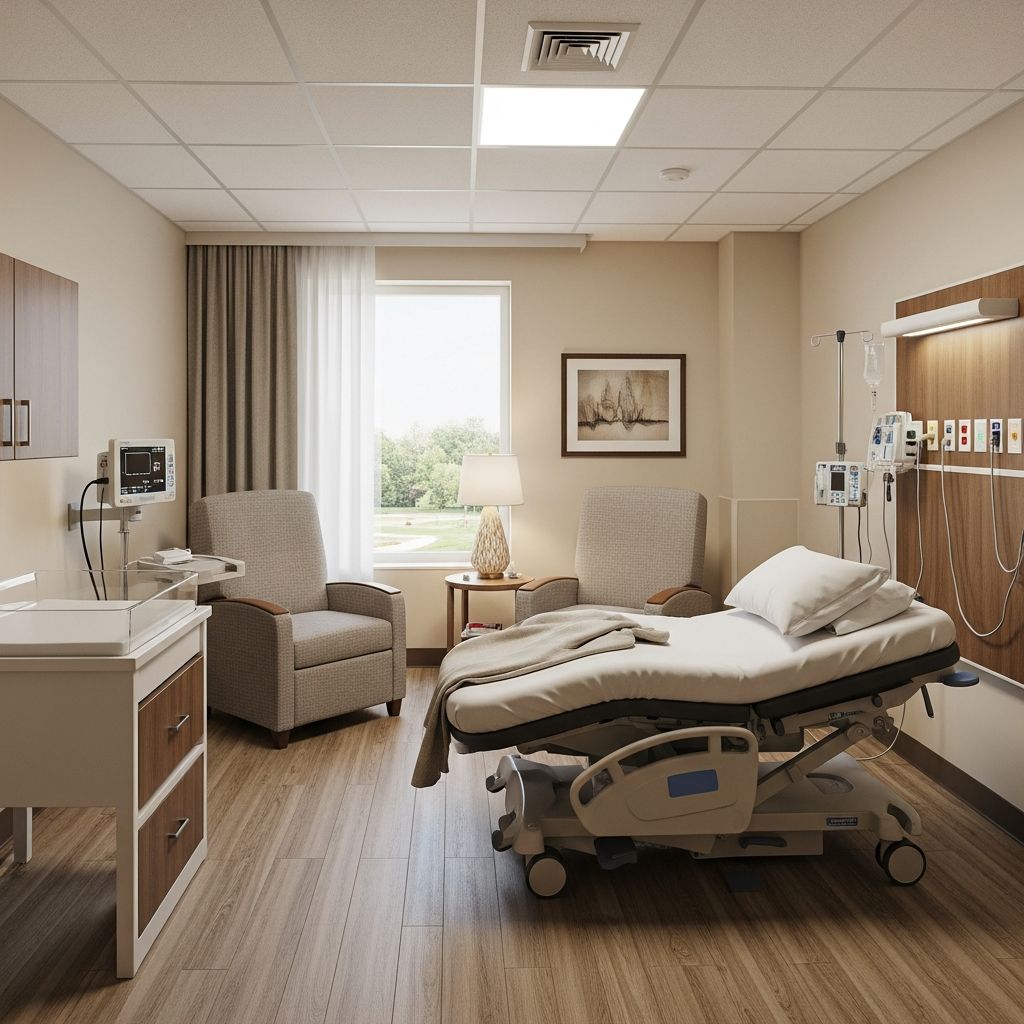
LDRP rooms are engineered for both medical efficiency and patient comfort, blending high-tech equipment with soothing aesthetics. Typical features include:
- Spacious Layouts: Rooms often exceed 400 square feet, accommodating family members, medical staff, and equipment without feeling cramped. Natural light from large windows creates a calming ambiance.
- Adjustable Birthing Beds: Specialized beds like the Linet Labor Bed allow position changes for optimal labor comfort, supporting upright, side-lying, or squatting deliveries.
- Wireless Monitoring Systems: Telemetry enables freedom of movement during labor, tracking fetal heart rates and maternal vitals without restrictive cables. Systems like PeriWatch Vigilance provide real-time data on contractions and progress.
- Newborn Care Stations: Built-in warmers with quiet, self-closing doors, cribs, and infant bathing areas keep babies close. Dedicated spaces for newborn exams prevent crowding around the mother.
- Private Amenities: En-suite bathrooms with showers, whirlpool tubs for hydrotherapy, and comfortable partner sleeper chairs or ‘cuddle beds’ enhance relaxation.
These elements ensure safety while mimicking a hotel suite, complete with dimmable lighting, sound systems, and customizable temperatures.
Benefits for Mothers, Babies, and Families
The unified design of LDRP suites offers multifaceted advantages. For mothers, staying in one room eliminates the physical and emotional toll of transfers, preserving energy for bonding and recovery. Wireless tech supports active labor techniques, potentially shortening delivery times and reducing intervention needs.
Newborns benefit from immediate skin-to-skin contact and rooming-in, which stabilizes vital signs, boosts breastfeeding success, and supports immune development. Families experience less stress, with space for siblings, grandparents, and partners to participate actively.
| Aspect | LDRP Suites | Traditional Multi-Room Model |
|---|---|---|
| Patient Transfers | None | 3-4 moves |
| Privacy | High (private throughout) | Low (shared wards) |
| Family Involvement | Encouraged | Limited |
| Recovery Comfort | Home-like with amenities | Standard hospital room |
| Infection Risk | Lower | Higher due to movement |
This comparison highlights why many hospitals adopt LDRP models for superior outcomes.
Design Principles Behind Effective LDRP Spaces
Creating an LDRP suite requires balancing clinical functionality with psychological comfort. Architects consider zones for labor (active space with monitoring), delivery (warmed delivery area), recovery (soft lighting, recliners), and postpartum (nursing stations, family seating). Storage for supplies, adjustable headwalls for gases and outlets, and flexible plumbing for birthing tubs are essential.
Cultural sensitivity plays a role; for instance, designs may incorporate soothing elements like nature views or cultural art to ease anxiety, as explored in studies on emotional architecture for parturients. Evidence-based features, such as noise-reducing materials and circadian lighting, further promote healing.
Comparing LDRP to Other Birthing Models
Not all facilities offer LDRP; alternatives include:
- LDR Rooms: Cover labor through recovery but require postpartum transfer. Ideal for high-volume units but less seamless.
- Birth Centers: Home-like off-hospital settings for low-risk births, lacking full medical tech.
- Standard Wards: Separate rooms for each phase, common in older hospitals.
LDRP shines for its versatility, suiting most uncomplicated births while allowing quick escalation to ORs if needed.
Real-World Implementations and Patient Experiences
Hospitals like Singing River Health System feature deluxe LDRP suites with scenic decor and family-focused layouts, where patients rave about the ‘spa-like’ feel. Eisenhower Health’s 14 private rooms emphasize bonding with adjustable beds and advanced monitoring. Feedback often highlights empowerment from mobility and privacy, contrasting past fragmented experiences.
Challenges include availability (high demand may require transfers) and staffing for 24/7 care, but benefits outweigh these for most.
Preparing for Your LDRP Birthing Experience
To maximize your stay:
- Tour facilities early to confirm LDRP availability.
- Discuss preferences like hydrotherapy or delayed cord clamping with providers.
- Pack for comfort: robes, playlists, snacks.
- Plan family roles to utilize the space effectively.
Insurance often covers LDRP stays equivalently to traditional care.
Frequently Asked Questions (FAQs)
Are all hospitals equipped with LDRP suites?
No, but many modern facilities prioritize them. Check during prenatal visits.
Can I use a birthing tub in an LDRP room?
Many have provisions for portable tubs; confirm with your hospital.
Is wireless monitoring safe for my baby?
Yes, it’s FDA-approved and provides continuous, accurate data.
What if I need a C-section?
Suites connect to ORs; you’ll return postpartum.
How long is the typical LDRP stay?
24-48 hours for vaginal births, 3-4 days post-C-section.
Future Trends in Birthing Suite Innovations
Looking ahead, LDRP designs incorporate AI-driven monitoring, virtual reality for pain management, and sustainable materials. Emphasis on inclusivity ensures accommodations for diverse families, solidifying LDRP as the gold standard for humane, effective maternity care.
References
- Labor-delivery-postpartum room (LDPR) — Motherly. Accessed 2026. https://www.mother.ly/terms/labor-delivery-postpartum-room-ldpr/
- Labor Delivery Recovery Postpartum (LDRP) Suites — Singing River Health System. Accessed 2026. https://singingriverhealthsystem.com/areas-of-care/women/labor-delivery-recovery-postpartum-ldrp-suites/
- Obstetrics Unit Labor and Delivery Design: LDR vs. LDRP — ECGMC. Accessed 2026. https://www.ecgmc.com/insights/article/2628/obstetrics-unit-labor-and-delivery-design-ldr-vs-ldrp/
- LDRP Rooms — Eisenhower Health. Accessed 2026. https://eisenhowerhealth.org/services/maternity/tour/ldrp
- LDRP Basics — PHCPPros. 2018-10-05. https://www.phcppros.com/articles/8265-ldrp-basics
- Designing architecture of soothing labor–delivery–recovery–postpartum rooms — PMC (NCBI). 2020. https://pmc.ncbi.nlm.nih.gov/articles/PMC7731737/
Similar Articles








Read full bio of Sneha Tete