Baby Language Development: Milestones From 0 To 24 Months
Discover how infants master sounds, words, and communication from birth, unlocking their innate linguistic potential.
Babies’ Incredible Language Abilities
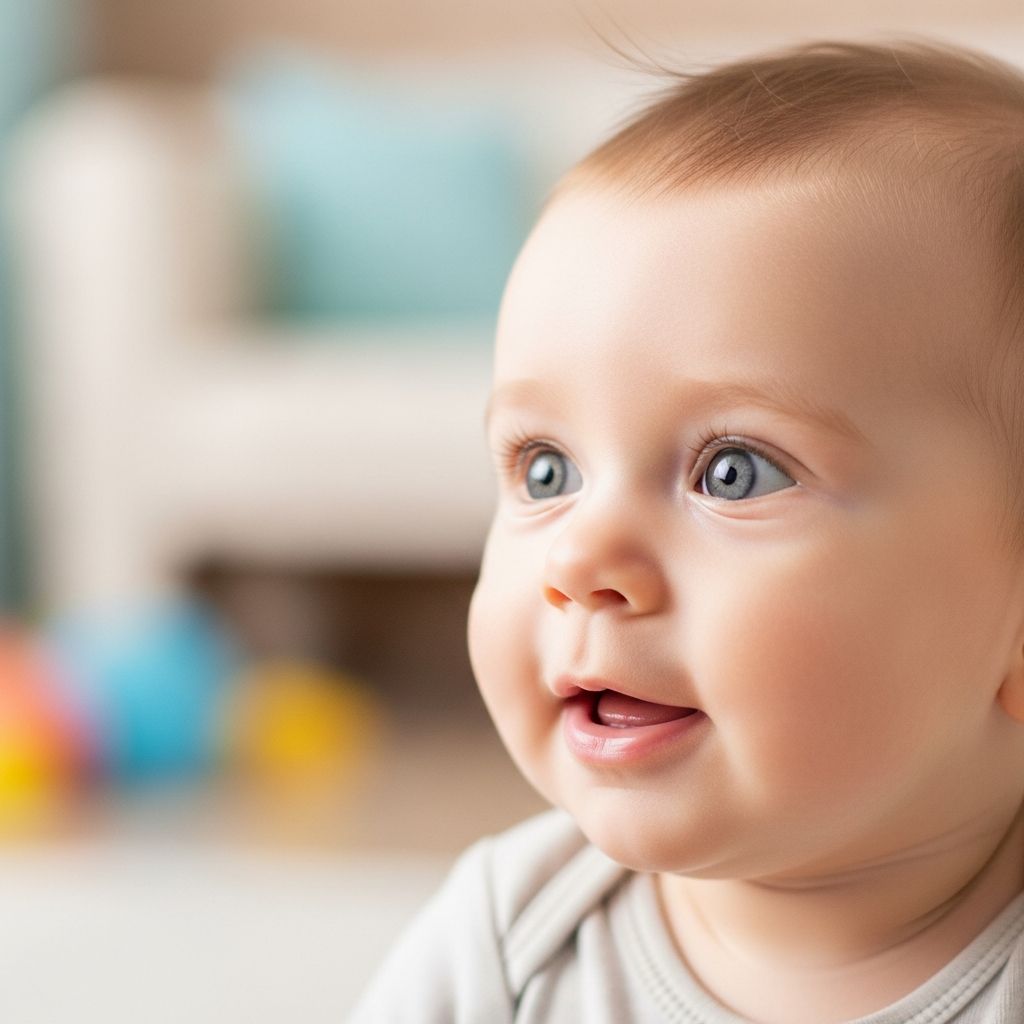
Babies possess an extraordinary capacity for language acquisition, rapidly discerning sounds, rhythms, and meanings from the world around them. This innate talent emerges in distinct phases, transforming random noises into meaningful communication within the first year of life.
Foundations of Communication in Newborns
From the moment of birth, infants demonstrate a profound sensitivity to human speech. They preferentially attend to their caregiver’s voice, quieting in response to familiar tones and reacting to loud sounds with a startle reflex. This early responsiveness lays the groundwork for all future language learning.
During the initial three months, babies produce their first vocalizations: cooing, gurgling, and distinct cries signaling pleasure, discomfort, or hunger. These sounds differ in pitch and intensity, allowing infants to convey basic emotions before words are possible. Newborns also track moving objects with their eyes and fixate on faces, particularly mouths forming words, which helps them associate speech with expression.
- Recognizes parental voice and calms when hearing it.
- Produces vowel-like sounds and early consonant-vowel combinations.
- Smiles and vocalizes in response to being spoken to.
Parents can enhance this phase by maintaining eye contact during talks, using exaggerated facial expressions, and varying tone to mimic the infant’s emotional cues. Such interactions build neural pathways essential for auditory processing.
Expanding Vocal Exploration: 4 to 6 Months
By four months, babies enter a playful stage of vocal experimentation. They turn toward new sounds, respond to changes in voice tone—like a firm “no”—and begin repeating simple syllables such as “ooh,” “aah,” or “ba-ba”. Laughter emerges, often triggered by caregiver playfulness, marking a shift from reflexive cries to intentional joy expression.
This period features “raspberry” sounds (bilabial trills) and bubbly lip movements, as infants test their articulatory capabilities. They imitate intonation patterns, rising and falling like questions or statements, even without full comprehension. Toys that rattle or chime capture their attention, linking sound to action.
| Milestone | Description | Examples |
|---|---|---|
| Sound Localization | Turns head toward voices or noises | Responds to rattle or name |
| Vocal Imitation | Repeats caregiver sounds | Ba-ba, ma-ma (non-specific) |
| Emotional Vocalization | Uses voice for joy/displeasure | Giggles, squeals |
Encourage progress by narrating daily routines in a sing-song voice, pausing for baby responses, and using mirrors to highlight mouth movements. Rhythm from nursery rhymes aids word boundary detection.
Babbling Boom: 7 to 12 Months
Around seven months, babbling intensifies into rhythmic, speech-like jargon. Babies combine syllables into chains like “ba-ba-ba” or “da-da-da,” varying pitch, volume, and speed to mimic adult conversation. They recognize their name, turn to familiar voices across rooms, and respond contextually—waving at “bye-bye” or looking for named objects like “cup” or “shoe”.
By nine months, canonical babbling emerges with clearer consonants (p, b, m, d), resembling true words. First meaningful words often appear by 10-12 months, such as “mama” or “dada” directed at parents, alongside gestures like pointing or clapping. Understanding precedes production; infants grasp 10-20 words before uttering them.
- Babbles with consonant-vowel sequences.
- Understands simple phrases and commands with gestures.
- Uses gestures to communicate needs (e.g., waving for more).
By year’s end, babies follow one-step directions, enjoy stories, and imitate words, building a vocabulary foundation. Interactive reading and responsive naming of objects accelerate this.
Beyond the First Year: 12 to 24 Months
Language explodes post-12 months. Toddlers use 4-6 words initially, growing to 50+ by 24 months, forming two-word phrases like “more milk” or “go bye-bye”. They answer yes/no questions, point to body parts, comprehend action words (clap, jump), and follow two-step commands.
Pronunciation clarifies, though not perfectly; half of speech is intelligible to caregivers by two years. Spatial concepts (in/on), pronouns (me/you), and descriptors (big/happy) enter their lexicon. Questions begin as one-two words, fueling curiosity.
Daily conversations, labeling emotions, and turn-taking games foster this surge. Limit screen time; prioritize live interaction for nuanced tone learning.
Critical Role of Parental Involvement
Caregiver speech quality profoundly shapes outcomes. Infants in rich linguistic environments—filled with varied vocabulary, back-and-forth exchanges, and rhythmic chants—show advanced skills. Respond to every babble as conversation; expand on it (baby: “ba-ba”; parent: “Yes, baby ball!”).
Diverse input exposes babies to phonetic inventories, aiding any-language adaptability. Singing, rhyming, and gesturing amplify retention. Multilingual homes thrive if consistent, as infants distinguish languages early.
Red Flags and When to Seek Help
Monitor for delays: no babbling by 12 months, limited eye contact, or ignoring sounds warrant professional review. Organizations like ASHA recommend early intervention for lasting benefits. Track via checklists from trusted sources.
| Age | Potential Concern | Action |
|---|---|---|
| 6 Months | No cooing or response to sounds | Consult pediatrician |
| 12 Months | No first words or gestures | Screening via ASHA tools |
| 18 Months | Fewer than 15 words | Early intervention referral |
Frequently Asked Questions (FAQs)
At what age do babies say their first word?
Typically between 10-14 months, with meaningful use like “mama” for mother, though babbling starts earlier.
Should I worry if my baby babbles in ‘jargon’?
No, this rhythmic babbling around 8-9 months mimics speech patterns, paving the way for words.
How can I boost my baby’s language skills?
Talk constantly, read daily, respond to coos, use gestures, and sing rhymes for rhythm exposure.
Is it normal for babies to understand more than they say?
Yes, receptive language precedes expressive; by 12 months, they comprehend far more words.
What if my baby is bilingual?
Bilingual infants meet milestones similarly, distinguishing languages by 6 months with consistent exposure.
Long-Term Benefits of Early Language Exposure
Strong foundations correlate with cognitive gains, literacy readiness, and social skills. Babies absorbing diverse speech excel in problem-solving and empathy, as language scaffolds thought. Invest now for lifelong advantages.
References
- Speech and language development from birth to 12 months — Great Ormond Street Hospital. 2023-2024. https://www.gosh.nhs.uk/conditions-and-treatments/procedures-and-treatments/speech-and-language-development-birth-12-months/
- Age-Appropriate Speech and Language Milestones — Children’s Hospital of Philadelphia. 2024. https://www.chop.edu/health-resources/age-appropriate-speech-and-language-milestones
- Baby language development: 3-12 months — Raising Children Network. 2024. https://raisingchildren.net.au/babies/development/language-development/language-3-12-months
- Language development: Speech milestones for babies — Mayo Clinic. 2024-01-15. https://www.mayoclinic.org/healthy-lifestyle/infant-and-toddler-health/in-depth/language-development/art-20045163
- Speech/language skills: birth to 2 years — Children’s Hospital of Richmond. 2024. https://www.chrichmond.org/services/therapy-services/developmental-milestones/speechlanguage-skills-birth-to-2-years/
- Communication Milestones: Birth to 1 Year — American Speech-Language-Hearing Association (ASHA). 2024. https://www.asha.org/public/developmental-milestones/communication-milestones-birth-to-1-year/
Similar Articles




Read full bio of medha deb