Understanding Your Baby’s Growth: Ages 6-12 Months
Explore developmental milestones and practical strategies to support your growing infant.
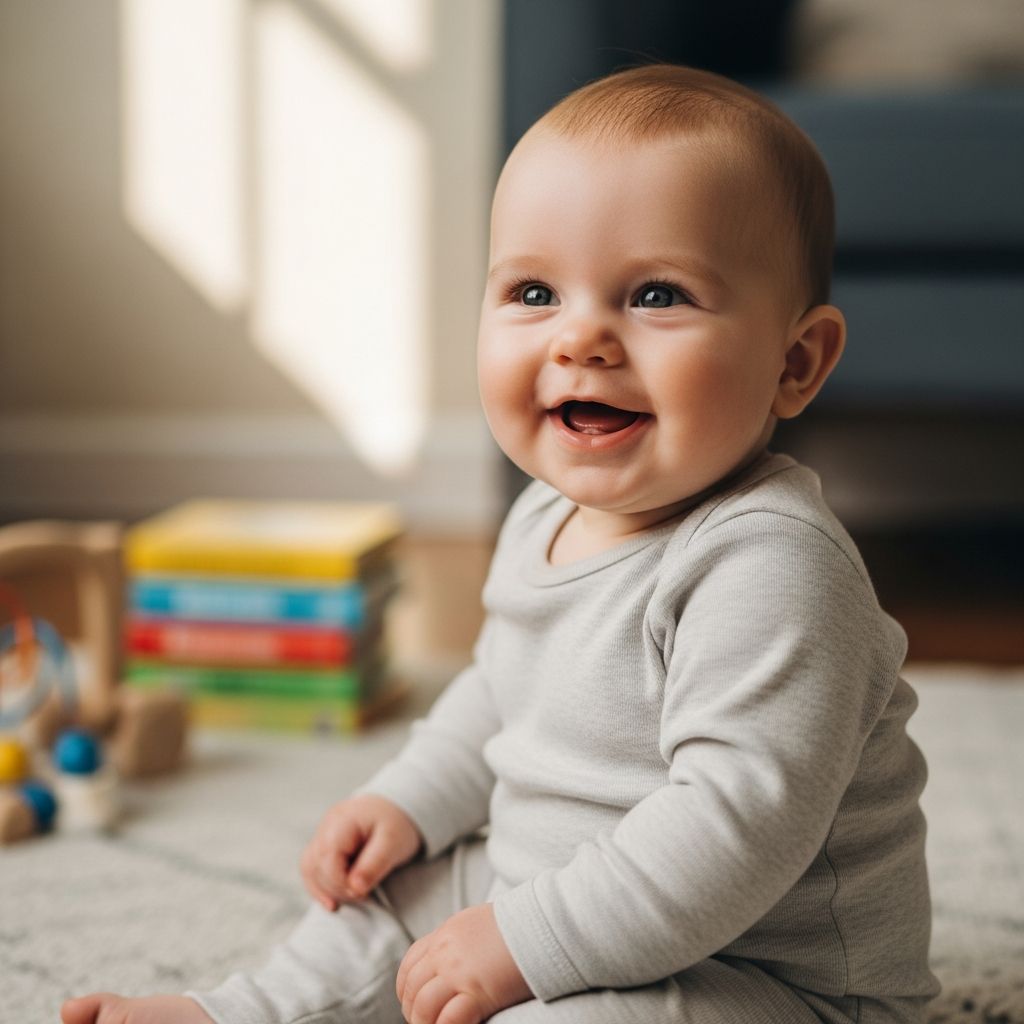
Navigating Your Baby’s Development: The Second Half of Year One
During the period from six to twelve months, your baby undergoes remarkable transformations that reflect rapidly advancing physical, cognitive, and emotional capabilities. This stage represents a pivotal time in early childhood development, characterized by increasing independence, curiosity, and interaction with the surrounding environment. Understanding what typically occurs during these months helps parents recognize healthy development patterns and provides context for the exciting changes unfolding before them. Parents often wonder whether their baby’s behaviors and abilities fall within expected ranges, making knowledge of age-appropriate milestones invaluable for both confidence and early identification of any developmental concerns.
Physical Coordination and Movement Progression
The journey from six to twelve months showcases dramatic improvements in your baby’s ability to control and coordinate their body. During the earlier months of this period, most infants demonstrate the capacity to sit independently without hand support, a skill that opens new possibilities for play and exploration. This achievement marks a significant transition from reliance on adults for positional support to self-directed positioning.
As the months progress, babies typically develop the ability to move around their environment through various methods. Some infants employ a commando-style crawling motion, dragging themselves forward using their arms while their legs follow. Others master the more traditional hands-and-knees crawling pattern, which requires greater coordination between upper and lower body movements. A smaller percentage of babies skip the crawling phase entirely and move directly toward standing and walking. All of these movement patterns represent normal developmental variation.
By the latter part of this period, many babies begin pulling themselves into standing positions using furniture or adult support. This transition reflects strengthening leg muscles and improving balance mechanisms. Some infants take tentative steps while holding onto a caregiver’s hand or furniture edge, signaling the approach of independent walking. The timing of these milestones varies considerably among healthy infants, with some walking independently by twelve months while others require additional months to develop this skill.
Fine Motor Development and Hand Skills
Alongside gross motor advancements, babies develop increasingly sophisticated control over their hands and fingers. Early in this period, infants can transfer objects from one hand to the other, demonstrating improved coordination and bilateral awareness. They learn to explore objects by poking, grasping, and manipulating them in various ways. The development of the pincer grasp—the ability to pick up small objects using the thumb and forefinger—emerges during these months, enabling babies to explore smaller items with greater precision.
Babies also develop the capacity to intentionally place objects into and remove them from containers, a skill that reflects both motor control and emerging understanding of object permanence. They begin feeding themselves finger foods and show interest in utensils, though their coordination remains imperfect. These activities build the foundational skills necessary for self-feeding and eventual independence with meals.
Communication and Language Emergence
Between six and twelve months, your baby’s vocalizations evolve from simple sounds into increasingly complex patterns that approximate spoken language. Early in this period, infants produce vowel and consonant combinations, creating repetitive sounds like “da-da” or “ma-ma.” These productions, known as canonical babbling, represent important developmental milestones in speech development.
Babies begin responding to their own names and understanding simple words and phrases. They may pause or comply when they hear “no,” though this understanding emerges gradually. Communication increasingly occurs through gestures as well as vocalizations—babies point to objects of interest, raise their arms to indicate they want to be picked up, and use other body language to express their needs and desires.
The receptive language skills—what babies understand—typically develop more rapidly than expressive language skills. Babies demonstrate comprehension of familiar words before they can produce them themselves. They listen to music and show pleasure through movement and vocalization. Reading together and talking with your baby during daily activities provides essential language exposure that supports these developmental processes.
Cognitive Growth and Problem-Solving Abilities
Cognitive development during this period involves increasingly sophisticated thinking patterns and understanding of how the world works. Babies develop understanding of cause and effect relationships—pushing a button produces a sound, pulling a string moves an object. They learn that their actions create consequences, a discovery that drives motivation for exploration and experimentation.
Object permanence, the understanding that objects continue to exist even when out of sight, develops progressively during these months. Games like peek-a-boo delight babies partly because they are still developing this concept and find the repeated “disappearance” and “reappearance” of a face endlessly surprising. By twelve months, most babies understand that hidden objects can be found and retrieved.
Babies begin to imitate simple movements and actions they observe in others. They watch how you use objects and attempt to duplicate these actions. This observational learning represents an important cognitive milestone and sets the stage for more complex imitation and learning in subsequent stages.
Imagination begins developing during this period. Babies might pretend to feed a doll or use a toy telephone, reflecting early symbolic thinking. These play behaviors indicate emerging understanding that objects can represent other things and that actions can be performed in playful, non-literal contexts.
Social-Emotional Development and Relationship Building
Your baby’s emotional world becomes increasingly complex and nuanced during the second half of their first year. Early in this period, babies demonstrate genuine attachment to primary caregivers and may show preference for certain individuals. They express pleasure through laughter and smiling, and displeasure through crying or other vocalizations. They can read your facial expressions and tone of voice, adjusting their own responses based on your emotional cues.
Separation anxiety typically emerges or intensifies during this period, as babies develop the cognitive capacity to understand that caregivers leave and may feel concerned about these separations. Fear of strangers often accompanies this development, reflecting the same awareness that distinguishes between familiar and unfamiliar people. These responses, while sometimes challenging for parents, represent normal and healthy emotional development.
Babies express a widening range of emotions beyond basic comfort and distress. They squeal with excitement, show annoyance or anger, and demonstrate what appears to be genuine joy. They may cover their face shyly when meeting new people or show embarrassment in response to friendly attention. These emotional expressions reflect developing self-awareness and social understanding.
Practical Strategies to Support Development
Supporting your baby’s development during these critical months involves providing appropriate stimulation, safe exploration opportunities, and responsive interaction. Creating an enriched environment with varied textures, colors, and sounds promotes sensory development and cognitive growth. Rotating toys periodically maintains novelty and sustains interest while preventing overstimulation from excessive options.
Engagement Activities
- Engage in interactive games like peek-a-boo, which combines fun with cognitive learning about object permanence
- Sing songs and play simple musical games to support language development and bonding
- Provide safe floor play opportunities where your baby can practice crawling and movement skills
- Use toys that light up, make sounds, or move to capture attention and encourage reaching and grasping
- Hold your baby’s hands to facilitate standing practice and walking initiation
- Offer age-appropriate books with colorful pictures and simple narratives for daily reading sessions
- Talk continuously during daily activities, narrating what you and your baby are doing to build vocabulary exposure
Creating a Safe Exploration Environment
As babies become more mobile, safety becomes paramount. Remove hazards from areas where your baby plays and ensure they cannot access small objects that pose choking risks. Never leave babies unattended on elevated surfaces like sofas, beds, or changing tables. Secure furniture that could tip if a baby pulls to standing. Cover electrical outlets and keep cords out of reach. Ensure toys are age-appropriate and free from small detachable parts.
Understanding Developmental Variation and Individual Pacing
While developmental milestones provide useful guidelines for understanding typical development, it is crucial to recognize that healthy babies develop at varying rates. Some babies crawl by seven months; others wait until nine or ten months. Some babies say their first words by nine months; others may not produce recognizable words until fifteen or eighteen months. These variations typically fall within normal ranges and do not indicate developmental problems.
Prematurity affects developmental expectations during the first two years. Babies who were born significantly early should be assessed based on their corrected age rather than their age since birth. For example, a baby born two months early should be expected to meet milestones approximately two months later than full-term peers.
Each baby’s individual temperament, genetic inheritance, and environmental experiences shape their developmental trajectory. Some babies are naturally more cautious and may take longer to attempt new motor skills, while others are born risk-takers and master movement milestones quickly. Neither pattern indicates better development; they simply reflect individual differences.
Nutrition and Physical Growth Considerations
Introduction of solid foods typically occurs around six months of age, coinciding with developmental readiness signs like increased interest in food and loss of the tongue-thrust reflex. Starting solids provides important nutrients including iron that breast milk and formula alone may not provide in sufficient quantities. Offering a variety of textures and flavors supports developing taste preferences and eating skills.
As babies progress through these months, they may consume increasing amounts of solids while continuing to receive breast milk or formula. Responsive feeding—allowing your baby to indicate when they are hungry and full—supports healthy eating patterns and development of appropriate appetite regulation. Babies communicate fullness through gestures like pushing food away, closing their mouth, or turning their head.
Common Questions About Development at This Age
Q: Should I be concerned if my baby hasn’t crawled by nine months?
A: No. Crawling timing varies significantly among healthy babies. Some babies skip crawling entirely and move directly to pulling to stand and walking. If your baby is developing other skills appropriately and your pediatrician has no concerns, the absence of crawling by nine months does not indicate a problem.
Q: How much language should my baby understand at this age?
A: By twelve months, babies typically understand 20-50 words, though many understand more. Receptive language (understanding) develops faster than expressive language (speaking). If your baby responds to their name, follows simple directions, and looks at objects when you point, language development is progressing well.
Q: Is separation anxiety a sign of insecure attachment?
A: No. Separation anxiety between six and twelve months is a normal developmental milestone reflecting cognitive understanding that separations occur. Babies with secure attachments often show more pronounced separation anxiety because they have a safe base to which they are attached.
Q: When should I start introducing cup drinking?
A: Babies can begin learning to drink from a cup around six months, though most master this skill gradually over many months. Offer water in an open cup during meals and expect spilling as a normal part of skill development.
Q: How should I handle stranger anxiety if family wants to interact with my baby?
A: Allow your baby to warm up to people at their own pace. Having the stranger sit at the baby’s level, speak softly, and allow your baby to approach rather than reaching for them helps. Reassuring your baby that you are present provides security while they adjust.
When to Consult Your Pediatrician
While developmental variation is normal, certain signs warrant discussion with your pediatrician. Concerns might include minimal response to sounds or their name, lack of interest in exploring toys or their environment, inability to sit independently by nine months, or extreme difficulty with separation that prevents any independent play. Your pediatrician can provide reassurance about typical development or refer for evaluation if concerns exist. Trust your instincts as a parent—if something feels concerning, it is always appropriate to raise the question with your child’s healthcare provider.
References
- Developmental Milestones: 6 to 12 Months — Nationwide Children’s Hospital. 2024. https://www.nationwidechildrens.org/family-resources-education/health-wellness-and-safety-resources/helping-hands/developmental-milestones-6-to-12-months
- Infant development: Milestones from 7 to 9 months — Mayo Clinic. 2025-04-16. https://www.mayoclinic.org/healthy-lifestyle/infant-and-toddler-health/in-depth/infant-development/art-20047086
- Milestones by 6 Months | Learn the Signs. Act Early — Centers for Disease Control and Prevention. 2024. https://www.cdc.gov/act-early/milestones/6-months.html
- Baby development at 6-7 months — Raising Children Network. 2024. https://raisingchildren.net.au/babies/development/development-tracker-3-12-months/6-7-months
- Baby Developmental Milestones By Month — Cleveland Clinic. 2024. https://my.clevelandclinic.org/health/articles/22063-baby-development-milestones-safety
- Developmental milestones 6 to 12 months — Children’s Minnesota. 2024. https://www.childrensmn.org/educationmaterials/childrensmn/article/15314/developmental-milestones-6-to-12-months-/
Similar Articles






Read full bio of Sneha Tete