Baby Ingesting Non-Food Items: Risks and Solutions
Discover essential guidance on handling babies who ingest poop, vomit, boogers, dirt, and other non-food substances safely and effectively.
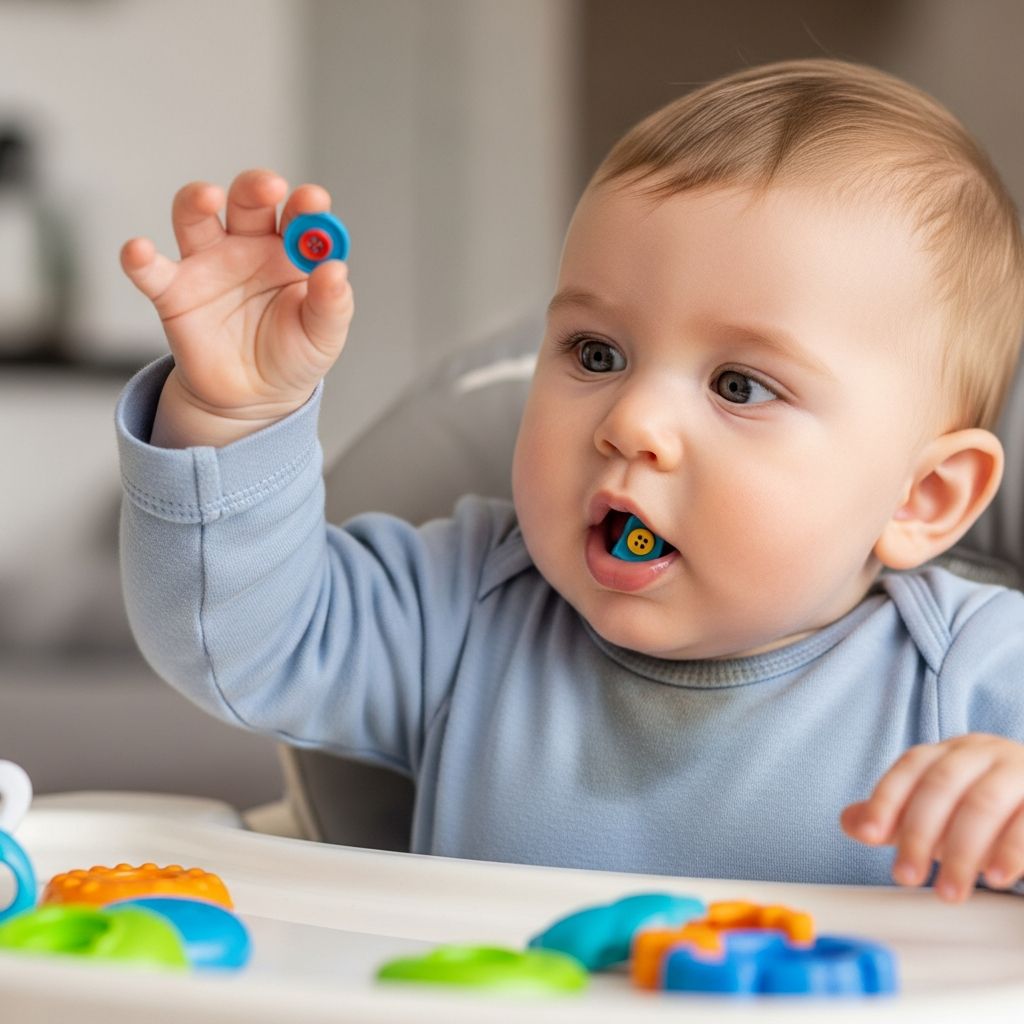
Infants and toddlers frequently explore their surroundings by placing objects in their mouths, sometimes leading to ingestion of non-food substances like dirt, feces, nasal mucus, or vomit. While occasional incidents are typically harmless, persistent behavior may signal pica, an eating disorder involving the consumption of inedible items for at least one month, not aligned with developmental norms beyond age 2. This comprehensive guide outlines causes, immediate responses, health risks, prevention tactics, and professional interventions to safeguard young children.
Understanding Normal Exploration vs. Concerning Patterns
Young babies under 2 years old commonly mouth objects as part of sensory development and teething, distinguishing this from pica, which requires diagnosis after 24 months if persistent. Pica involves compulsive eating of items like soil, clay, feces, hair, paper, or metal, often linked to nutritional gaps, developmental delays, stress, or mental health factors.
Observe for red flags: repeated ingestion over a month, searching for specific non-foods, finding inedibles in stool, or behavior atypical for age. Risk amplifies in children with autism, intellectual disabilities, malnutrition, or low socioeconomic access to nutrition. Early detection prevents complications like infections or blockages.
Common Non-Food Items Babies Might Ingest
- Dirt or Soil (Geophagy): Often craved due to mineral deficiencies; risks parasites or heavy metals.
- Feces (Coprophagia): Dangerous due to bacteria like E. coli; may indicate gut issues or pica.
- Nasal Mucus (Boogers): Generally benign in small amounts but unhygienic; excessive may tie to sensory seeking.
- Vomit: Could reintroduce stomach acids or pathogens; monitor for reflux links.
- Other Items: Chalk, starch, fabric, soap, or rocks, varying by compulsion.
These behaviors stem from curiosity, nutrient lacks (e.g., iron, zinc), or sensory needs, especially in neurodiverse children.
Potential Health Dangers of Non-Food Ingestion
Ingesting non-edibles poses varied threats. Feces or dirt can transmit parasites, causing infections. Metals or paint risk lead poisoning; hair or fabric may obstruct intestines. Nutritional interference occurs as items bind nutrients, worsening deficiencies.
| Substance | Primary Risks | Severity Level |
|---|---|---|
| Dirt/Soil | Parasites, toxins | Moderate to High |
| Feces | Bacterial infections (e.g., Salmonella) | High |
| Boogers/Mucus | Minimal; possible germs | Low |
| Vomit | Reinfection, acidity | Low to Moderate |
| Metals/Paint | Poisoning, blockages | High |
Fatal outcomes are rare but possible from perforations or severe malnutrition. Prompt action mitigates most issues.
Immediate Steps When Baby Ingestes Non-Food Items
- Stay Calm: Panic hinders effective response.
- Assess Amount: Small tastes often pass harmlessly; large quantities need attention.
- Cleanse if Possible: Offer water or milk to dilute; avoid inducing vomit unless advised.
- Monitor Symptoms: Watch for vomiting, diarrhea, abdominal pain, fever, or lethargy over 24-48 hours.
- Seek Help: Call poison control or pediatrician for concerns like chemicals; ER for heavy ingestion.
For boogers or vomit, hygiene suffices—wipe and distract. Dirt or feces warrant stool checks for parasites.
Prevention Strategies for Curious Mouths
Proactive measures reduce incidents. Childproof environments: elevate hazards, use locks, supervise outdoors. Offer safe sensory alternatives like teething toys or edible chews. Ensure balanced nutrition with iron-rich foods (spinach, meats) to curb cravings.
- Maintain ‘pica-safe’ zones sans tempting items.
- Provide textured foods mimicking craved items (e.g., crunchy veggies for dirt).
- Supervise high-risk play; educate caregivers.
For diagnosed cases, restrict access and substitute textures.
Nutritional and Medical Underlying Causes
Pica often signals deficiencies in iron, zinc, or calcium, prompting cravings for dirt or starch. Test blood levels via pediatrician. Pregnancy-like cultural geophagy exists but risks apply. Mental health screening rules out stress, abuse, or autism links.
Diagnostic Process for Persistent Behaviors
Pediatricians assess via history: duration, frequency, stool findings, family reports. Labs check deficiencies; imaging if obstructions suspected. DSM-5 criteria: non-cultural, non-developmental ingestion >1 month. Multidisciplinary input from dietitians, psychologists.
Treatment Approaches for Pica and Ingestion Habits
Most children outgrow pica naturally, aided by therapy. Options include:
- Nutritional Supplements: Iron/zinc to resolve deficiencies.
- Behavioral Therapies: Aversive (mild consequences), reinforcement for healthy eating, coping skills.
- Environmental Changes: Pica-boxes with safe chews.
- Medications: For anxiety/OCD if underlying.
Empathy over punishment; view as medical, not willful. Follow-up ensures progress.
Special Considerations for High-Risk Children
Autistic or developmentally delayed kids benefit from sensory diets reducing stress-driven pica. Distraction techniques (e.g., veggie snacks outdoors) aid daily management. Cultural sensitivity in diagnosis.
Frequently Asked Questions (FAQs)
Is it normal for my 1-year-old to eat dirt or boogers?
Yes, mouthing is typical under 2 for exploration; intervene if persistent beyond age or excessive.
What if my baby eats poop—should I worry?
Small amounts may cause tummy upset; monitor for diarrhea/fever and consult doctor for parasites.
How do I stop my toddler from eating non-food items?
Supervise, remove access, offer alternatives, address nutrition; seek therapy if ongoing.
Can pica be cured?
Many outgrow it; treatments manage effectively, especially with early intervention.
When to see a doctor for ingestion incidents?
If symptoms appear, repeated behavior, or known toxins ingested.
This guide empowers parents with evidence-based strategies. Consult professionals for tailored advice.
References
- Pica Disorder Eating Non-Food Items — Pediatrix & Obstetrix. 2023. https://www.pediatrix.com/about/for-media/blog/pica-disorder-eating-non-food-items
- Pica — FamilyDoctor.org. 2024-10-01. https://familydoctor.org/condition/pica/
- What Is Pica? When You’re Eating Non-Food Items — Banner Health. 2023-05-15. https://www.bannerhealth.com/healthcareblog/teach-me/eating-stuff-thats-not-food-it-could-be-pica
- Pica – StatPearls — NCBI Bookshelf. 2023-08-08. https://www.ncbi.nlm.nih.gov/books/NBK532242/
- Understanding and managing pica — National Autistic Society. 2024. https://www.autism.org.uk/advice-and-guidance/professional-practice/managing-pica
- Pica — Nemours KidsHealth. 2023. https://kidshealth.org/en/parents/pica.html
Similar Articles





Read full bio of medha deb