
Baby Names Inspired By The Moon: Timeless Lunar Options
Illuminate your child's identity with celestial grace and timeless wonder.
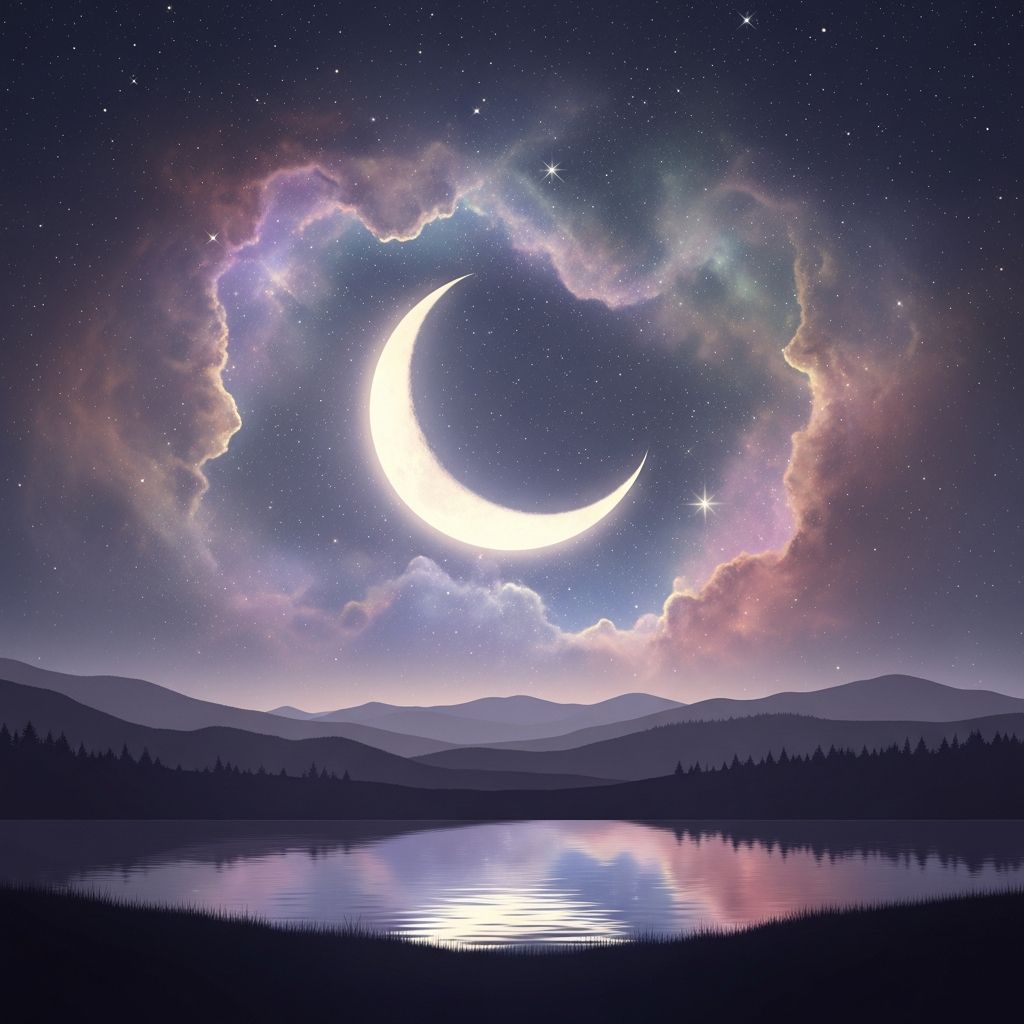
Baby Names Inspired by the Moon
The moon has long held a special place in human imagination, symbolizing mystery, renewal, and quiet strength. Parents drawn to this celestial body often choose names that capture its essence, blending natural beauty with deep cultural roots. These names can reflect cycles of life, feminine energy in many traditions, or simply the soft glow of night skies. Whether you seek something classic like Luna or more unique options from diverse heritages, lunar names offer a poetic start for your little one.
Why Choose a Lunar Name for Your Baby
Selecting a name tied to the moon goes beyond aesthetics. In various cultures, the moon represents intuition, growth, and protection. For instance, it influences tides, calendars, and festivals worldwide, embedding it in daily rhythms. A lunar name might honor these qualities, giving your child a connection to nature’s rhythms. They also stand out without being overly common, striking a balance between familiarity and individuality. Parents appreciate how these names evoke calmness and wonder, qualities that can shape a child’s sense of self.
From ancient myths to contemporary trends, lunar names span languages and regions. They appear in Greek goddesses, Hindu deities, Indigenous lore, and more. This variety allows personalization—perhaps aligning with your heritage or a memorable night sky moment. As you explore, consider pronunciation ease, potential nicknames, and how the name flows with your surname.
Girl Names That Echo the Moon’s Glow
Girl names inspired by the moon often draw from goddesses and words for light or phases. Here’s a selection with origins and nuances:
- Luna: Latin for ‘moon,’ this name personifies the Roman goddess of the night sky, evoking silvery elegance and rising popularity worldwide.
- Selene: Greek origin, naming the moon goddess who drove her chariot across the heavens, symbolizing radiant beauty and eternal cycles.
- Artemis: From Greek mythology, the huntress goddess linked to the moon, representing independence and wilderness grace.
- Mahina: Hawaiian for ‘moon,’ reflecting Pacific Islander reverence for lunar phases in navigation and storytelling.
- Chandra: Sanskrit meaning ‘moon,’ also the name of a Hindu moon god, connoting shining brilliance and serenity.
- Jaci: Native American (Tupi) for ‘moon,’ used among Indigenous groups to honor the lunar spirit’s gentle power.
- Mitsuki: Japanese for ‘beautiful moon,’ blending delicacy with natural splendor.
- Belinay: Turkish, meaning ‘reflection of the moon in water,’ painting a poetic image of tranquil shimmer.
- Ayaru: Kazakh for ‘beautiful moon,’ highlighting inner and outer luminosity.
- Marama: Māori for ‘moon,’ tied to New Zealand’s mythology where it embodies both male and female lunar aspects.
These names vary in familiarity—Luna tops charts in many places, while Mahina offers exotic charm. Pair them with middle names like Grace or River for added flow.
Boy Names Drawing from Lunar Strength
Though less common, boy names linked to the moon convey power, travel, and wisdom. Consider these options:
- Chander: Sanskrit variant of Chandra, meaning ‘moon,’ associated with the Hindu deity of growth and cool light.
- Khonsu: Egyptian for the moon god ‘traveler,’ symbolizing journey and healing across night skies.
- Metztli: Nahuatl (Aztec) for ‘moon,’ naming a deity of nourishment and calendars.
- Luan: Portuguese or Albanian roots meaning ‘moon’ or ‘lion,’ offering versatile strength.
- Yaren: Turkish for ‘moon in the sky,’ suggesting lofty reflection and presence.
- Kaelan: Irish Gaelic hinting at ‘mighty warrior of the moon,’ blending valor with celestial ties.
- Cynric: Old English for ‘moon ruler,’ evoking ancient kingship under lunar rule.
Boy lunar names often carry mythological weight, ideal for parents wanting substance. They pair well with earthy surnames, creating grounded yet aspirational identities.
Unisex Names for Lunar Versatility
Unisex choices expand options, fitting any child while honoring the moon’s neutral phases:
- Aimar: Kazakh for ‘beauty of the moon,’ unisex in its celebration of glow.
- Chan: Derived from Chandra, simple yet profound for ‘moonlight.’
- Rhea: Greek Titaness linked to the moon, meaning ‘flowing’ like tidal pulls.
- Alton: Old English evoking ‘old town’ but with moon-white connotations in folklore.
These flexible names adapt over time, supporting a child’s evolving identity.
Cultural Journeys Through Moon Names
European and Roman Influences
In Europe, names like Diana (Roman moon goddess, meaning ‘divine’) and Phoebe (Greek for ‘bright moon’) stem from classical myths. They surged in Renaissance art, symbolizing purity and hunt.
Asian and Pacific Traditions
Asia offers poetic gems: Yue (Chinese ‘moon’), Tsukiko (Japanese ‘moon child’), and Sasi (Indian ‘moonbeam’). Pacific names like Mahina tie to voyaging epics where moons guided canoes.
Indigenous and African Roots
Indigenous names shine: Jaci from South America, Marama from Māori lore. African influences include Aisha (Arabic ‘alive,’ lunar vitality) and Jezanna (Central African moon healer).
Each culture imbues the moon with unique stories—fertility in Hinduism, protection in Egyptian rites—enriching your choice with heritage.
Modern Twists on Timeless Lunar Themes
Contemporary parents remix classics: Selenia (Selene variant), Nyxella (night-moon blend), or Solara (solar-lunar fusion). Nicknames like Lulu from Luna or Chan from Chandra add playfulness. Popularity data shows Luna in top ranks, but gems like Mitsuki remain niche, perfect for distinction.
Practical Tips for Selecting Your Lunar Name
Start by listing favorites, then test aloud with siblings’ names and your last name. Check cultural fit—does it honor ancestry respectfully? Consider global usability for travel or multicultural families. Pronunciation guides help: Selene as suh-LEEN, Chandra as CHAN-drah. Research initials to avoid unintended acronyms. Finally, imagine it on a school roster or resume—does it empower?
Birth timing matters too: Names like Nikini (Sinhalese ‘August full moon’) suit seasonal babies. Consult family for traditions, ensuring the name resonates personally.
Frequently Asked Questions
Are moon names suitable across genders?
Yes, many like Chan or Rhea work unisex, while others lean traditional but adaptable based on family preference.
How do lunar names connect to astrology?
They align with moon signs in birth charts, symbolizing emotions; parents might choose based on their child’s zodiac moon phase.
Can I combine a lunar name with family heritage?
Absolutely—pair like Mahina Lopez for Hawaiian-Spanish roots, blending celestial and cultural layers seamlessly.
Do these names have nickname potential?
Most do: Luna to Lu, Selene to Lena, Chander to Chan, offering everyday ease alongside full formality.
References
- Etymological Dictionary of Greek Mythology — Oxford University Press. 2020-06-15. https://academic.oup.com/book/32000
- Hindu Deities and Cosmology — Harvard University Press (via Harvard Divinity School resources). 2018-09-01. https://www.hds.harvard.edu/research/publications
- Indigenous Pacific Navigation Traditions — University of Hawaii Press. 2022-03-10. https://uhpress.hawaii.edu/title/polynesian-navigation/
- Egyptian Mythology: Gods of the Sky — British Museum Publications. 2019-11-20. https://www.britishmuseum.org/collection/publications
- Sanskrit Lexicon on Celestial Terms — University of Chicago Oriental Institute. 2021-05-12. https://oi.uchicago.edu/research/publications
Similar Articles







Read full bio of medha deb