
Banned Baby Names Worldwide: Country Rules And Parent Tips
Unlock the rules shaping your child's identity across cultures and borders.
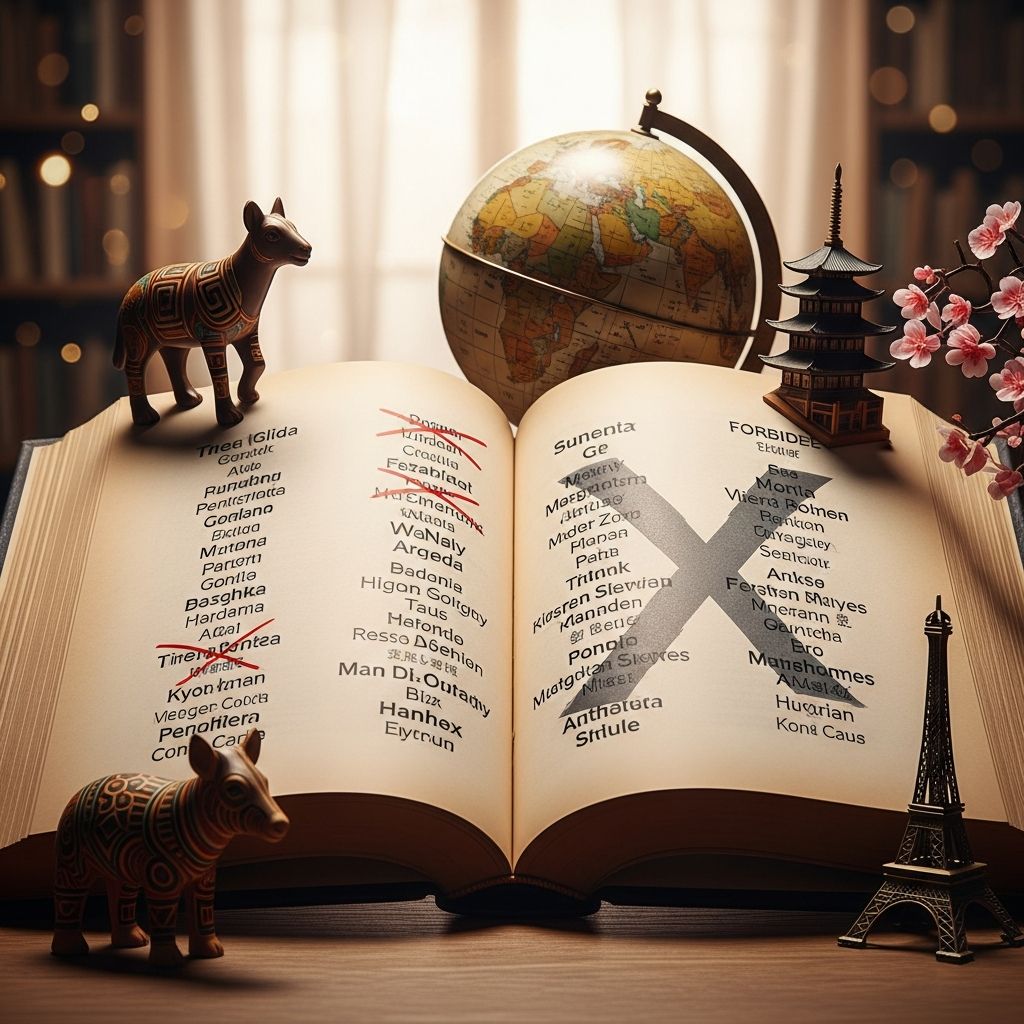
Banned Baby Names Worldwide
Choosing a baby name is a deeply personal decision that carries lifelong implications. In many places, governments step in to regulate this choice, banning names that could harm a child, offend society, or violate legal standards. These restrictions vary widely, reflecting cultural values, historical events, and practical concerns. This article examines notable banned names across countries, explaining the reasoning behind prohibitions and offering insights for parents navigating international naming rules.
Why Do Countries Ban Baby Names?
Naming laws exist to protect children from ridicule, confusion, or association with negativity. Common reasons include preventing embarrassment, avoiding trademarks, rejecting religious sacrilege, or prohibiting numbers and symbols. For instance, some nations require names to fit grammatical structures or established naming conventions. These rules ensure a child’s name supports their well-being and integration into society.
In Europe, countries like Germany and Iceland enforce strict lists of approved names. Elsewhere, officials review submissions case-by-case. Understanding these can help parents avoid surprises, especially in multicultural families or during travel.
Europe’s Strict Naming Traditions
European countries often prioritize linguistic compatibility and social harmony in names. Germany, for example, bans names linked to infamous historical figures to uphold public morals. Adolf Hitler is prohibited due to its connection to World War II atrocities. Similarly, Osama bin Laden is rejected for terrorism associations. Other rejections include Apple, seen as too unconventional, and Berlin unless it’s a family surname. Gender-neutral names like Matti faced bans before becoming more accepted.
France rejects names with slang meanings or commercial ties. Fraise (strawberry) is banned for vulgar connotations, while Nutella violates brand rules. Royalty like Prince William and places like Manhattan are deemed unsuitable. Recent cases include Griezmann Mbappe, tied to celebrities.
Italy focuses on avoiding embarrassment or animal references. Venerdi (Friday) and Dalmata (Dalmatian dog) are off-limits. Jesus may be rejected for sacredness, and Blu (blue) lacks first-name status. Andrea, masculine in Italy, is denied for girls.
Switzerland protects against ridicule, banning Judas and Lucifer for negative biblical ties, and Mercedes or Paris for commercial or place associations.
Iceland demands names match its grammar. Foreign ones like Carolina, Duncan, Enzo, and Harriet are refused. Camilla faces similar issues. Portugal approves only specific spellings, rejecting Cristo (Christ), Eden for boys, and brands like Nutella. Thor and Tom are also banned. Sweden prohibits single letters like Q or excessively long ones like BRFXXCCXXMNPCCCCLLLMMNPRXVCLMNCKSSQLBB11116.
Names Banned in the Americas
In North America, rules target confusion and offense. Canada forbids God for blasphemy, Santa Claus for misleading identity, and Spiderman for trademarks. Adolf Hitler is universally rejected here too.
Mexico bans futuristic or anatomical names like Robocop and Circumcision. The United States lacks a federal ban but some states veto offensive choices like Violence.
New Zealand strictly prohibits titles, numbers, and embarrassing phrases. Examples include 4Real, Anal, Chief Maximus, Justice, Lucifer, Mafia No Fear, Minister, Saint, Stallion, Talula Does The Hula From Hawaii, and V8. Sex Fruit and Violence are also denied.
Australia, particularly Victoria, bans obscene, overly long names, symbols, or titles like Duke, Justice, Princess, and Saint.
Asia and Oceania: Cultural and Religious Limits
Asian countries often restrict names exaggerating religion or negativity. China outlaws Islam, Quran, and Saddam to curb religious fervor. Malaysia bans Adolph, Snake, and 007. Japan rejects Devil and Akuma (demon).
In the Middle East and North Africa, sensitivities vary. Saudi Arabia prohibits Linda, while Morocco bans Sarah.
Africa and Other Regions
Denmark bans Monkey. Norway rejects Bridge, Sonic X (sort of, for potential disadvantage), and Talula-style absurdities. Romania now bans object names like Televizor (television).
Global Patterns in Banned Names
- Historical villains: Adolf Hitler, Osama bin Laden appear in multiple countries.
- Brands and foods: Nutella, Pepsi, Mercedes.
- Religious figures: God, Jesus, Cristo, Lucifer, Judas.
- Titles and ranks: Chief Maximus, Justice, Minister, Saint, Prince William.
- Numbers/symbols: 4Real, V8, 007, single letters like Q.
- Offensive or silly: Anal, Violence, Sex Fruit, Talula Does The Hula From Hawaii.
- Animals/objects: Snake, Stallion, Dalmata, Fraise.
These patterns highlight priorities: child protection, cultural respect, and practicality.
Navigating Naming Laws as Parents
Research local registry rules before finalizing. Some countries like Iceland publish approved lists; others review individually. For international families, consider dual citizenship implications. Opt for timeless, pronounceable names fitting multiple grammars. Consult officials if unsure, and prepare alternatives. These steps ensure your choice honors both heritage and law.
While bans seem restrictive, they encourage meaningful selections. Many cultures favor names with positive origins over trendy or provocative ones.
Frequently Asked Questions (FAQs)
Can I appeal a rejected name in countries like New Zealand?
Yes, courts may review cases, as with Talula Does The Hula, prioritizing child welfare over parental preference.
Why are brand names like Nutella banned in France and Portugal?
Authorities view them as commercial endorsements, potentially harming the child’s identity or inviting ridicule.
Are there approved lists for Iceland?
Iceland maintains a public registry of grammatically compatible names; foreign ones require special approval.
What if my family has dual nationality?
Check both countries’ rules; some bans apply at birth registration regardless of residence.
Has Germany ever allowed a previously banned name like Matti?
Yes, as gender-neutral names gained acceptance, showing evolving standards.
References
- 121 Illegal Baby Names From Around the World (and Why!) — Family Education. Accessed 2026. https://www.familyeducation.com/baby-names/illegal-baby-names-from-around-the-world
- Illegal Baby Names in the US and Around The World — US Birth Certificates. Accessed 2026. https://www.usbirthcertificates.com/articles/illegal-baby-names
- The Banned Names around the World — YouTube (Strider). Accessed 2026. https://www.youtube.com/watch?v=og8_vSDlvaI
Similar Articles


Read full bio of Sneha Tete