
Irish Surnames: Heritage, Meaning, and Legacy
Discover the rich stories woven into Ireland's most cherished family names.
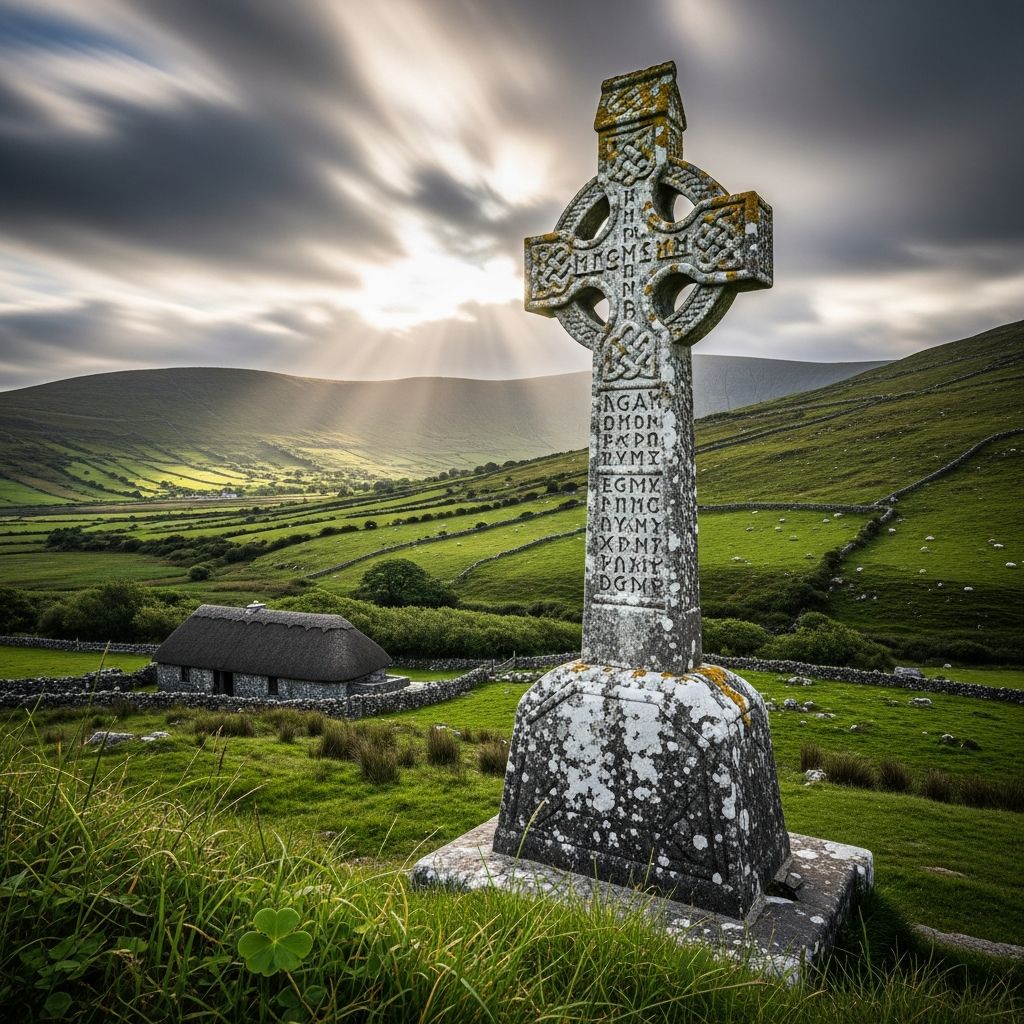
The Story Behind Irish Family Names
Irish surnames represent one of Europe’s oldest naming traditions, with a lineage stretching back over a thousand years. Unlike many European cultures that adopted fixed family names relatively recently, Ireland developed a sophisticated system of hereditary surnames as early as the 10th century, rooted deeply in Gaelic kinship, territorial connections, and tribal heritage. These names are far more than simple identifiers—they are living records of ancestry, geography, occupation, and the defining moments that shaped Irish history and culture.
The evolution of Irish surnames reflects the island’s complex history, from ancient Celtic kingdoms through Norman settlement to modern times. Each name carries within it layers of meaning, often describing a person’s lineage, place of origin, or role within their community. For families researching their heritage or parents drawn to the depth of Irish naming traditions, understanding these origins opens a window into a rich and storied past.
How Irish Surnames Were Formed: The Foundation System
Irish surnames emerged from a remarkably systematic approach to family identification. Rather than random naming conventions, Gaelic society developed prefixes and roots that clearly indicated relationships and characteristics. This organizational structure made Irish surnames immediately recognizable and meaningful within their cultural context.
The Power of Prefixes
The most fundamental building blocks of Irish surnames are two core prefixes that appear in countless family names across the island. The prefix Ó (pronounced “O”) means “descendant of” and typically appears before an ancestor’s personal name. The prefix Mac means “son of” and similarly precedes a paternal name. For female descendants, the language evolved to include Ní (“daughter of the descendant of”) and Nic (“daughter of the son of”), though these feminine forms are less commonly used in modern records.
These prefixes were not merely grammatical tools—they were genealogical markers that immediately established a person’s place within their family structure and lineage. A child bearing an Ó surname knew they descended from a particular ancestor of significance, while a Mac surname indicated direct paternal lineage. This clarity helped communities maintain genealogical records long before written documentation became widespread.
Foundational Gaelic Roots
Beneath the surnames themselves lie elemental Gaelic words that frequently recur throughout the naming system. Understanding these roots reveals the underlying themes and values of Irish culture. Key examples include:
- Dubh — meaning “dark,” often referring to dark hair or complexion
- Flann — meaning “red,” describing red-haired individuals
- Muir — meaning “sea,” reflecting Ireland’s coastal heritage and maritime connections
- Cath — meaning “battle,” evoking strength and warrior traditions
- Aodh — meaning “fire,” suggesting passion and energy
- Faol — meaning “wolf,” associated with fierce independence and leadership
These root words appear in combinations throughout Irish surnames, creating layers of meaning that modern speakers can still decipher and appreciate. A name incorporating both “muir” and “cath” tells a story of a sea warrior—not merely a description, but a reflection of the person’s perceived role or status in society.
Geography and Irish Surnames: Where Names Come From
Irish surnames are deeply intertwined with geography. Many families are strongly associated with specific regions where their ancestors established themselves, and these geographic connections persist in genealogical records and family histories. Understanding the geographic distribution of surnames provides insight into migration patterns, territorial control, and the regional dynasties that shaped Ireland.
Regional Powerhouses
Certain surnames became synonymous with particular regions because they originated from local ruling families or were prevalent among the dominant clans of those areas. O’Sullivan, for instance, emerged as a dominant force in Munster, the southwestern province, and remains concentrated there today. O’Connor descends from ancient kings of Connacht, the western province, and the name carries the weight of royal heritage. Kelly is linked to Connacht dynasties and maintains strong associations with that region. Ryan concentrates in Tipperary and Limerick, primarily in the southeastern portion of the country.
These geographic anchors are not arbitrary—they reflect generations of family settlement, landholding, and local influence. When families carried these surnames into emigration during the 19th and 20th centuries, they carried with them an invisible connection to the Irish landscape their ancestors inhabited for centuries.
The Meanings Embedded in Common Irish Surnames
Many of Ireland’s most widespread surnames reveal meanings that reflect either physical characteristics, occupations, personality traits, or mythological connections. These meanings offer windows into what qualities were valued or noteworthy enough to preserve in a family name.
Surnames Rooted in Character and Appearance
Murphy, the most common Irish surname, derives from Ó Murchadha and combines “muir” (sea) with “cath” (battle), creating the meaning “sea warrior” or “sea-battler.” This grand title likely distinguished an ancestor of maritime prowess or naval significance. O’Sullivan is commonly glossed as “dark-eyed,” a straightforward description that became a family identifier. Byrne descends from Ó Broin and relates to the word “bran,” meaning “raven,” possibly referencing dark hair or a raven’s wisdom. Breen links to the Gaelic word “braon,” meaning “moisture” or “rain,” a poetic connection to Ireland’s frequently wet climate.
Names Reflecting Skills and Status
Some surnames preserve occupational or status-based origins. Ward, from Mac an Bhaird, means “son of the bard” and marked membership in the learned class of poets and storytellers who held elevated status in Gaelic society. Canavan, from Ó Ceanndubháin, is associated with hereditary physicians in Connacht, indicating a family tradition of healing and medical knowledge. O’Clery
Surnames with Mythological and Royal Echoes
O’Brien means “descendant of Brian” and references Brian Boru, a legendary High King of Ireland whose historical and cultural significance made his name a prestigious family marker. O’Neill relates to Niall, meaning “champion” or “cloud,” with royal connotations. O’Connor can mean “descendant of the hound-lover” or “wolf-lover,” animals with cultural significance in Celtic tradition.
Waves of Settlement: How Irish Surnames Diversified
While Gaelic naming traditions form the foundation of Irish surnames, the island’s history of invasion, settlement, and cultural exchange created layers of naming diversity. Understanding these historical waves helps explain why some very Irish surnames have unexpected origins.
Norman and Anglo-Norman Influence
Following the Norman invasion of the 12th century, families such as Fitzgerald, Burke, Cusack, and Joyce settled in Ireland and established themselves as landholding nobility. Over generations, these families became thoroughly integrated into Irish society, adopted Irish customs, and their names became as Irish as those of purely Gaelic origin. CusackJoyce, from Norman origins meaning “lord,” became embraced in Irish culture and is now considered distinctly Irish. Burke, from the Norman de Búrca, means “fortified settlement” and the family became a powerful Irish dynasty.
Welsh and Foreign Elements
Walsh, from the Gaelic Breathnach, literally means “Welshman” or “foreigner” and reflects Norman-Welsh settlement in Ireland. Rather than being excluded as outsiders, families bearing this surname integrated fully into Irish identity, and the name persisted as a reminder of that cross-cultural encounter.
The Most Recognized Irish Surnames Today
Certain surnames have become so prevalent that they represent Irish identity globally. These names appear consistently in genealogical records, immigration documents, and modern census data.
- Murphy — The most common, with over 70,900 telephone subscribers in Ireland alone during the 1990s and continuing growth in the 21st century.
- Kelly — Meaning “bright-headed” or “warrior,” linked to Connacht dynasties and widely distributed across the island.
- O’Sullivan — Dominant in Munster, “dark-eyed,” and among the most widespread in modern records.
- Walsh — Meaning “Welshman,” reflecting Norman-Welsh heritage and remaining common across regions.
- Byrne — Meaning “raven,” particularly common in Leinster province.
- O’Brien — Descended from legendary King Brian Boru, carrying royal heritage.
- Ryan — Meaning “little king,” concentrated in Tipperary and Limerick.
- O’Connor — Descended from kings of Connacht, carrying regal associations.
- McCarthy — From Mac Cárthaigh, a ruling name in Munster with aristocratic roots.
Less Common Surnames with Distinctive Histories
Beyond the most widespread names lies a rich tapestry of less common surnames, each with its own narrative and significance.
Doyle, from Ó Dubhghaill or Mac Dubhghaill, means “dark foreigner” and echoes Norse contact with Ireland during the Viking period, representing cultural collision and integration. Finnegan stems from Ó Fionnagáin, with “fionn” meaning “fair” or “bright,” often associated with wisdom in Celtic tradition. Dwyer, from Ó Duibhir, ties to older aristocratic houses in Munster with deep historical roots. Cullen, from Ó Cuileáin, relates to “young hound,” suggesting youthful energy or loyalty. Tierney, from Ó Tiarnaigh, means “master” or “lord,” carrying implications of leadership and nobility.
O’Keefe, from Ó Caoimh, translates to “descendant of the gentle one,” a softer characteristic than battle or fire but equally valued. Phelan, from Ó Faoláin, means “descendant of the little wolf,” combining diminutive form with fierce animal symbolism. ReganQuinlan
What Makes Irish Surnames Special for Modern Families
For families choosing surnames for children or exploring their heritage, Irish surnames offer unique advantages. They carry transparent meanings—parents can understand and explain exactly what their child’s surname signifies. They connect children to a documented historical lineage stretching back over a thousand years, providing a sense of continuity and belonging. Irish surnames also reflect diverse qualities—not all are martial or aggressive; many celebrate gentleness, wisdom, grace, and learning. This diversity ensures that families of varying temperaments and values can find Irish names that genuinely resonate.
The globalization of Irish diaspora communities means that Irish surnames carry recognition and respect worldwide, yet they remain rooted in specific geographic and historical contexts. A child with an Irish surname enters the world already connected to a story that predates their own existence—the story of their ancestors’ place in Irish history and culture.
Frequently Asked Questions
Q: Are Irish surnames still commonly passed down in Ireland today?
A: Yes, Irish surnames remain deeply important in Ireland and among the diaspora globally. Modern census records, such as the 2020 birth registration analysis by the Central Statistical Office of the Republic of Ireland, show Murphy continuing as the number one surname, with 602 newly registered children in that year alone. Irish naming traditions remain strong and actively practiced.
Q: What is the difference between Ó and Mac surnames?
A: Ó indicates “descendant of” and typically traces lineage through multiple generations from an ancestor, whereas Mac means “son of” and usually refers to direct paternal descent. Both are legitimate Irish naming systems, and the choice between them historically depended on family tradition and regional practice.
Q: Can I identify an ancestor’s occupation or role from their surname?
A: Many Irish surnames do preserve occupational or status information. Ward (bard), Canavan (physician), O’Clery (cleric), and similar surnames directly indicate the family’s traditional role or profession. However, not all surnames carry this occupational meaning; many reflect physical characteristics or ancestral names instead.
Q: Which Irish surnames have the longest documented history?
A: O’Clery is among the earliest, with documented references to Tigherneach Ua Cleirigh in 916 AD, making it possibly Europe’s oldest surviving surname. Many of the Ó prefixed names descending from early kings and regional leaders also have extensive historical documentation stretching back over a millennium.
References
- Irish Last Names: Origins, Meanings, and History — Celtic Studio. Accessed January 2026. https://celticstudio.shop/blogs/article/irish-last-names
- Irish Names & Surnames — Irish Family History Centre. Accessed January 2026. https://www.irishfamilyhistorycentre.com/article/irish-names-surnames/
- Irish Gaelic Surnames and Meanings — FamilyEducation. Accessed January 2026. https://www.familyeducation.com/baby-names/surname/origin/irish-gaelic
- Irish surnames – the 20 most common in 19th-century Ireland — Irish Genealogy Toolkit. Accessed January 2026. https://www.irish-genealogy-toolkit.com/Irish-surnames.html
- Top 101 Irish Surnames and Their Unique Meanings Explained — Tartan Vibes Clothing. Accessed January 2026. https://www.tartanvibesclothing.com/blogs/culture/irish-surnames
- 100+ Common Irish Last Names or Surnames With Meanings — Parade. Accessed January 2026. https://parade.com/living/irish-last-names
Similar Articles



Read full bio of medha deb