
Literary Baby Names: 20 Timeless Picks For Girls And Boys
Discover names from timeless tales that whisper stories of courage, wisdom, and wonder to your child.
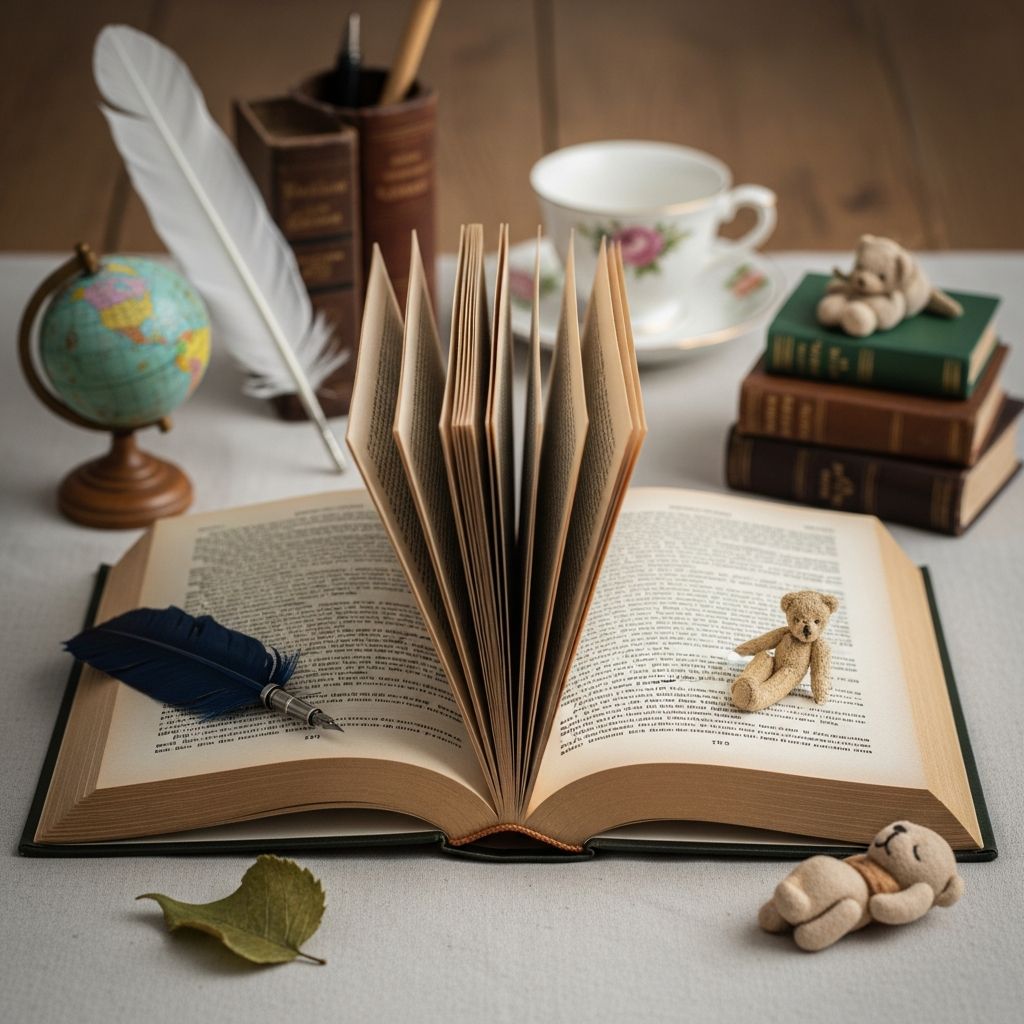
Literary Baby Names for Girls and Boys
Names drawn from literature carry the essence of timeless stories, evoking adventure, wisdom, and emotion. These choices connect your child to rich narratives from classic novels, poems, and epics, offering a unique identity rooted in creativity. Whether you seek elegance for a girl or strength for a boy, literary names blend heritage with imagination.
Why Choose Names Inspired by Books?
Literary names stand out for their depth. They often stem from characters who embody virtues like bravery or kindness, or from authors who shaped culture. This inspiration adds layers of meaning beyond simple sounds. Parents appreciate how these names spark conversations and foster a love for reading from an early age. In a world of common choices, they provide distinction while remaining familiar.
Selecting such a name involves considering pronunciation ease, cultural fit, and personal connection to the source material. Many have crossed into everyday use, ensuring they age well across generations. Their origins span languages like Latin, Germanic, and Persian, reflecting global literary traditions.
Timeless Literary Names for Girls
Girls’ names from literature often highlight grace, intelligence, and resilience. Here is a selection of enduring options, each tied to beloved tales.
- Alice: From Lewis Carroll’s Alice’s Adventures in Wonderland, this Germanic name means “noble.” It suggests curiosity and poise, ranking steadily in popularity for its sweet yet strong vibe.
- Beatrice: Immortalized in Dante’s works and Shakespeare’s plays, it derives from Latin for “she who brings happiness.” Nicknames like Bea add charm, making it versatile for modern families.
- Eloise: Featured in children’s books by Kay Thompson, this French variant of Heloise means “healthy” or “wide.” Its sleek sound has propelled it into top charts recently.
- Arwen: J.R.R. Tolkien’s elf princess in The Lord of the Rings, from Sindarin and Welsh roots meaning “noble maiden.” It blends fantasy with earthy appeal, rising in use.
- Charlotte: The clever spider in E.B. White’s Charlotte’s Web, from French for “free man.” It conveys loyalty and wit, a classic with royal ties.
- Evangeline: From Henry Wadsworth Longfellow’s poem, meaning “bearer of good news.” This name evokes epic journeys and determination.
- Viola: Shakespeare’s heroine in Twelfth Night, linked to the flower and meaning “purple.” It represents cleverness and adaptability.
- Zora: Honoring author Zora Neale Hurston, of Serbo-Croatian origin meaning “dawn.” It symbolizes new beginnings and literary innovation.
- Cosette: Victor Hugo’s resilient character in Les Misérables, a French diminutive for “little thing.” Its delicate sound hides inner strength.
- Dorothy: The brave girl from L. Frank Baum’s The Wizard of Oz, Greek for “gift of God.” It inspires homecoming and courage.
Strong Literary Names for Boys
Boys’ literary names frequently draw from heroes, wise figures, and mythical beings, emphasizing valor and intellect. Explore these standout picks.
- Atticus: Harper Lee’s moral lawyer in To Kill a Mockingbird, from Latin meaning “from Attica.” It exudes integrity and classic style.
- Silas: A biblical companion and character in George Eliot’s Silas Marner, Aramaic and Latin for “of the forest” or “prayed for.” Its mystique appeals to many.
- Milo: From Germanic roots via Latin “miles” for “soldier,” or Slavic “merciful.” Seen in classics like T.S. Eliot’s works, it’s polished and approachable.
- Jasper: One of the Three Wise Men in medieval lore, Persian for “bringer of treasure.” It appears in literature for its adventurous spirit.
- Hugo: Latin form of Hugh meaning “mind, intellect,” linked to Victor Hugo. It carries creative energy and historical weight.
- Aslan: C.S. Lewis’s lion in The Chronicles of Narnia, Persian/Turkish for “lion.” It symbolizes noble leadership.
- Conrad: After author Joseph Conrad, German for “brave counsel.” Perfect for storytellers in the making.
- Edgar: Honoring poet Edgar Allan Poe, Old English for “wealthy spear.” It balances distinction with friendly nicknames like Eddie.
- Oscar: For witty playwright Oscar Wilde, Irish for “god spear” or “champion warrior.” It brings joy and flair.
- Phineas: From biblical tales and modern stories like Phineas and Ferb, Hebrew for “oracle” or Latinized Hugh. Adventurous and bold.
Names from Myths, Legends, and Folklore
Beyond novels, literature includes myths and fairy tales that yield magical names. Arthurian legends offer Arthur (noble, Celtic) and Guinevere (fair one, Welsh). From folklore, Lorelei (from German tales, meaning “luring rock”) captivates with its bohemian edge.
These names connect to oral traditions turned literary, like Disney adaptations of Beauty and the Beast (Belle, French for “beautiful”) or The Little Mermaid (Ariel, Hebrew for “lion of God”). They infuse everyday life with enchantment.
Choosing the Right Literary Name for Your Family
Start by revisiting favorite books—what characters resonate? Test how the name flows with your surname and siblings’. Consider nicknames for flexibility; for instance, Beatrice shortens to Bea, easing playground calls.
Check global pronunciation to avoid confusion in multicultural settings. Popularity matters too—names like Eloise or Atticus trend without overwhelming commonality. Reflect on the character’s traits: Do you want the quiet strength of Silas or the boldness of Aslan?
Pairing names thematically, like Alice and Atticus from moral tales, creates harmony. Discuss with partners or family for consensus. Ultimately, pick one that feels like a story unfolding for your child.
Variations and Modern Twists on Classics
Adapt literary names for uniqueness. Eloise becomes Louise; Milo, Mylo. Gender-neutral options like Jasper or Arwen suit any child. International flavors add depth: Evangeline’s French roots or Zora’s Slavic heritage.
Spellings evolve—Phineas as Finn or Phinehas. These tweaks honor origins while fitting contemporary tastes, ensuring the name endures.
Frequently Asked Questions
Are literary names easy to pronounce in different cultures?
Many, like Alice or Hugo, are universally simple, but fantasy picks like Arwen may need explanation. Practice with diverse groups to confirm.
Do these names have negative associations from books?
Rarely; most evoke positive heroes. Research the full character arc, like Atticus’s unwavering justice, to ensure it aligns with your values.
Can literary names pair well with family surnames?
Yes, versatile ones like Silas or Beatrice complement most surnames. Avoid alliteration overload, e.g., Beatrice Black, for smoother flow.
How popular are names like Milo or Eloise today?
They climb charts steadily—Milo and Eloise enter top 100s—offering familiarity without ubiquity.
References
- Literary Names | Nameberry — Nameberry. 2023. https://nameberry.com/list/484/literary-baby-names
- Fable & Poet: Literally Literary Baby Names — Appellation Mountain. 2022-05-15. https://appellationmountain.net/fable-novella-poet-literally-literary-baby-names/
- 41 Literary Names for Your Bookworm-to-Be — Happiest Baby. 2023. https://www.happiestbaby.com/blogs/pregnancy/literary-baby-names
- Over 500 Unique Literary Baby Names for Bookish Parents-to-Be — Book Riot. 2024-01-10. https://bookriot.com/unique-literary-baby-names/
- Literary Baby Names | The Bump — The Bump. 2023. https://www.thebump.com/b/literary-baby-names
Similar Articles



Read full bio of Sneha Tete