
Lord Shiva-Inspired Baby Boy Names: Complete Guide
Embrace timeless strength: Names echoing Shiva's transformative power for your son.
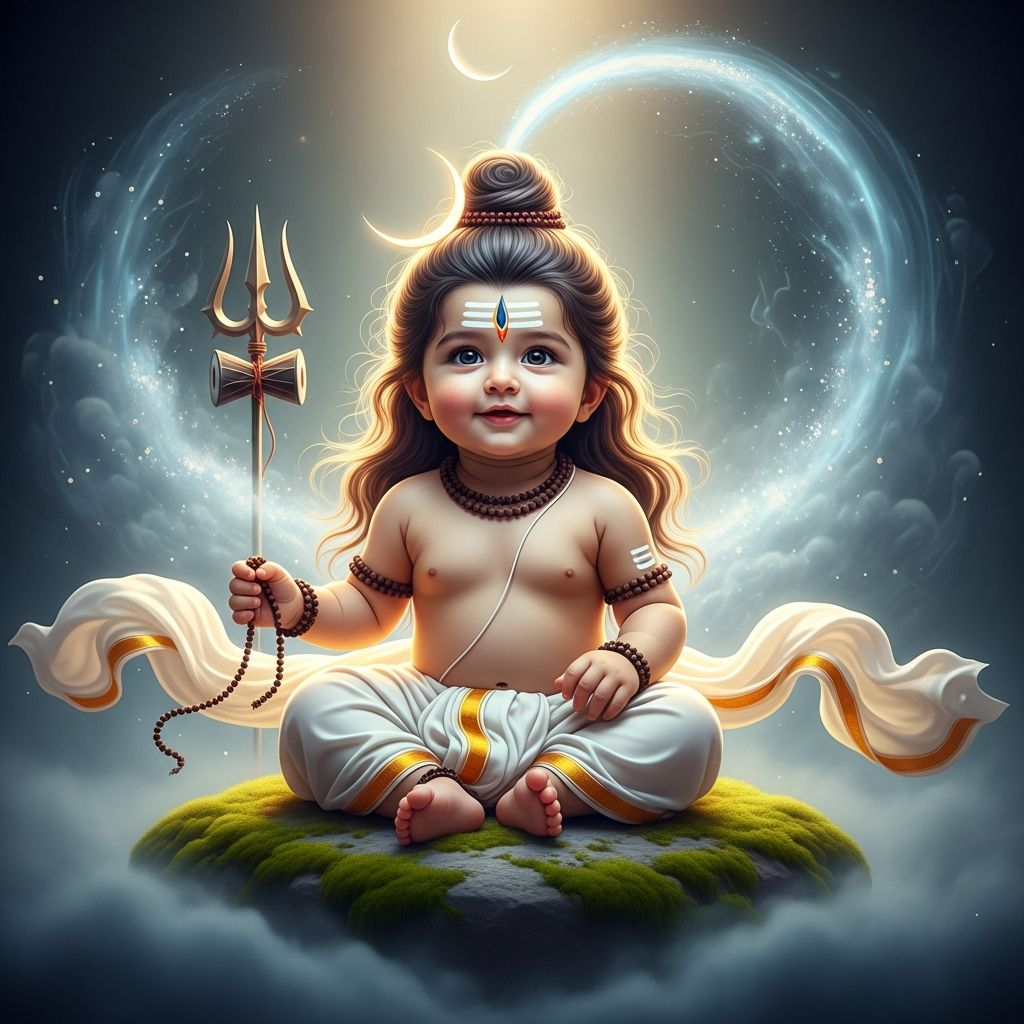
Lord Shiva-Inspired Baby Boy Names
Choosing a name for your baby boy that draws from Lord Shiva offers a profound connection to Hindu spirituality. Shiva, revered as the auspicious one and transformer of the universe, inspires names that embody strength, peace, and renewal. These names, often rooted in Sanskrit, carry layers of meaning from ancient scriptures and mythology, making them timeless choices for parents honoring their heritage.
Understanding Shiva’s Essence in Naming
Lord Shiva represents the cosmic cycle of creation, preservation, and dissolution, balancing destruction with regeneration. In Hindu tradition, he is the supreme deity in Shaivism, embodying pure consciousness alongside Shakti, his divine energy counterpart. Names inspired by Shiva reflect qualities like auspiciousness, mastery over fears, and eternal bliss, providing a spiritual foundation for your child.
Shiva’s iconography—serpents symbolizing control over primal forces, the trident for the three gunas of nature, and the third eye for wisdom—fuels a rich variety of names. Parents select these to invoke protection, wisdom, and harmony, aligning the child’s identity with divine virtues from the Vedas and Puranas.
Powerful Names Reflecting Shiva’s Destructive and Restorative Power
Shiva’s role as destroyer clears paths for renewal, inspiring names that signify might and transformation. These are ideal for parents envisioning a son of resilience and vision.
- Rudra: The fierce storm god, an early form of Shiva mentioned in the Rig Veda, evoking raw power and healing rains. It suits a bold personality.
- Bhairava: Shiva’s terrifying manifestation, the skull-bearer who conquers ego, symbolizing fearlessness and protection from negativity.
- Mahakala: Lord of time, destroyer of illusions, representing the eternal cycle of life and rebirth for profound depth.
- Pashupati: Lord of all creatures, the benevolent herdsman guiding souls, perfect for a compassionate leader.
- Nilakantha: Blue-throated one, who swallowed cosmic poison to save the world, denoting self-sacrifice and resilience.
Auspicious Epithets for Everyday Grace
Shiva’s gentler titles emphasize benevolence and purity, making them approachable yet sacred for modern families.
- Shambhu: The auspicious giver of bliss, highlighting Shiva’s nurturing side as a source of joy and prosperity.
- Shankara: Bestower of welfare, a name invoking good fortune and harmony in daily life.
- Ishan: Lord of the northeast direction, symbolizing clarity and spiritual direction.
- Pinakin: Wielder of the bow, representing focused strength and precision.
- Kapardin: With matted locks, evoking ascetic discipline and inner focus.
Names from Shiva’s Sacred Symbols and Attributes
Shiva’s symbols like the trident, crescent moon, and Ganga inspire names tied to his visual and mythical representations, blending poetry with power.
- Trilochana: Three-eyed one, whose forehead eye burns ignorance, for a child of insight and truth.
- Chandrashekhara: Moon-crested, adorned with the crescent, signifying cool serenity amid passion.
- Gangadhara: Bearer of the Ganges, who tamed the river in his hair, symbolizing control and purity.
- Trishula: The trident holder, embodying creation, preservation, and destruction in balance.
- Damodara: Player of the damaru drum, whose sound creates cosmic rhythm, for a rhythmic soul.
Names Honoring Shiva’s Family and Unions
Shiva’s relationships, especially with Parvati and their sons, yield names celebrating unity, devotion, and legacy.
- Umamahesh: Husband of Uma (Parvati), representing ideal partnership and devotion.
- Kailash: Abode on Mount Kailash, Shiva’s Himalayan home, evoking stability and elevation.
- Skanda: Father of the war god Kartikeya, signifying valor passed down.
- Ganapati: Father of elephant-headed Ganesha, lord of beginnings and remover of obstacles.
- Ardhanari: Half-woman form with Parvati, symbolizing gender harmony and wholeness.
Modern and Unique Variations for Shiva-Inspired Names
For contemporary appeal, shorten or adapt these names while preserving essence, ensuring ease in global settings.
- Shiv: Simple form of Shiva, meaning the auspicious one, versatile and strong.
- Rud: Short for Rudra, fierce yet approachable for everyday use.
- Nila: From Nilakantha, blue-toned, modern and artistic.
- Trilo: Inspired by Trilochana, unique with visionary vibes.
- Kail: From Kailash, short and mountainous in feel.
Choosing the Right Shiva Name for Your Son
Select a name by considering family traditions, astrological alignments like Nakshatras, and phonetic flow with surnames. In Hindu customs, names often align with the child’s birth star for harmony. Test pronunciation across languages for diaspora families, and reflect on the name’s story—does it inspire virtues you hope for your child?
Consult elders or priests for Rashi compatibility, where Shiva names suit fiery or airy signs emphasizing transformation. Pair with middle names from Vishnu or Devi for balance, creating a full identity rooted in the Trimurti.
Cultural Depth and Pronunciation Guide
These Sanskrit-derived names carry vibrations believed to influence personality. Pronounce with soft consonants: ‘Shiva’ as ‘Shee-va’, ‘Rudra’ as ‘Roo-dra’. Regional variations exist—South Indian families may emphasize ‘Ra’ sounds, while North use aspirated ‘Sh’.
In Shaivite regions like Tamil Nadu or Kashmir, these names thrive in festivals like Maha Shivaratri, where Shiva’s dance (Tandava) celebrates. Globally, they offer cultural pride without complexity.
Popular Combinations and Nicknames
Blend for uniqueness: Rudra-Shankara or Shiva-Kailash. Nicknames like ‘Ruddy’ for Rudra or ‘Sham’ for Shambhu add warmth. Track rising popularity in urban India and NRIs seeking identity anchors.
Frequently Asked Questions (FAQs)
Can Shiva names be used across Hindu sects?
Yes, though prominent in Shaivism, Shiva names like Shankara appear in Vaishnava texts too, promoting unity without sectarian limits.
Are there gender-neutral Shiva-inspired names?
Names like Shiv or Ishan work unisex, drawing from Shiva’s Ardhanarishvara form blending masculine and feminine energies.
How do I check if a Shiva name fits my family horoscope?
Match the name’s syllable count to the child’s Janma Nakshatra using a Jyotishi; Shiva names often align with Ardra or Magha stars.
Is it common to use Shiva’s full titles as first names?
Less common than epithets like Rudra, but names like Gangadhara gain traction for their storytelling appeal in literary families.
References
- The Meaning and Story Behind the God Shiva — East+West Yoga. 2023-05-15. https://yogaeastwest.com/explore/yoga_certification/shiva-god-meaning/
- Shiva Hindu God of Destruction — Lotus Sculpture. 2022-11-10. https://www.lotussculpture.com/shiva-hindu-god-lord-destruction-meaning-symbolism.html
- Shiva — Wikipedia. 2026-01-10. https://en.wikipedia.org/wiki/Shiva
- Shiva | Definition, Forms, God, Symbols, Meaning, & Facts — Britannica. 2025-08-20. https://www.britannica.com/topic/Shiva
Similar Articles








Read full bio of medha deb