
Native American Surnames For Babies: 16 Meaningful Choices
Honor ancestral roots with surnames that whisper stories of strength and heritage.
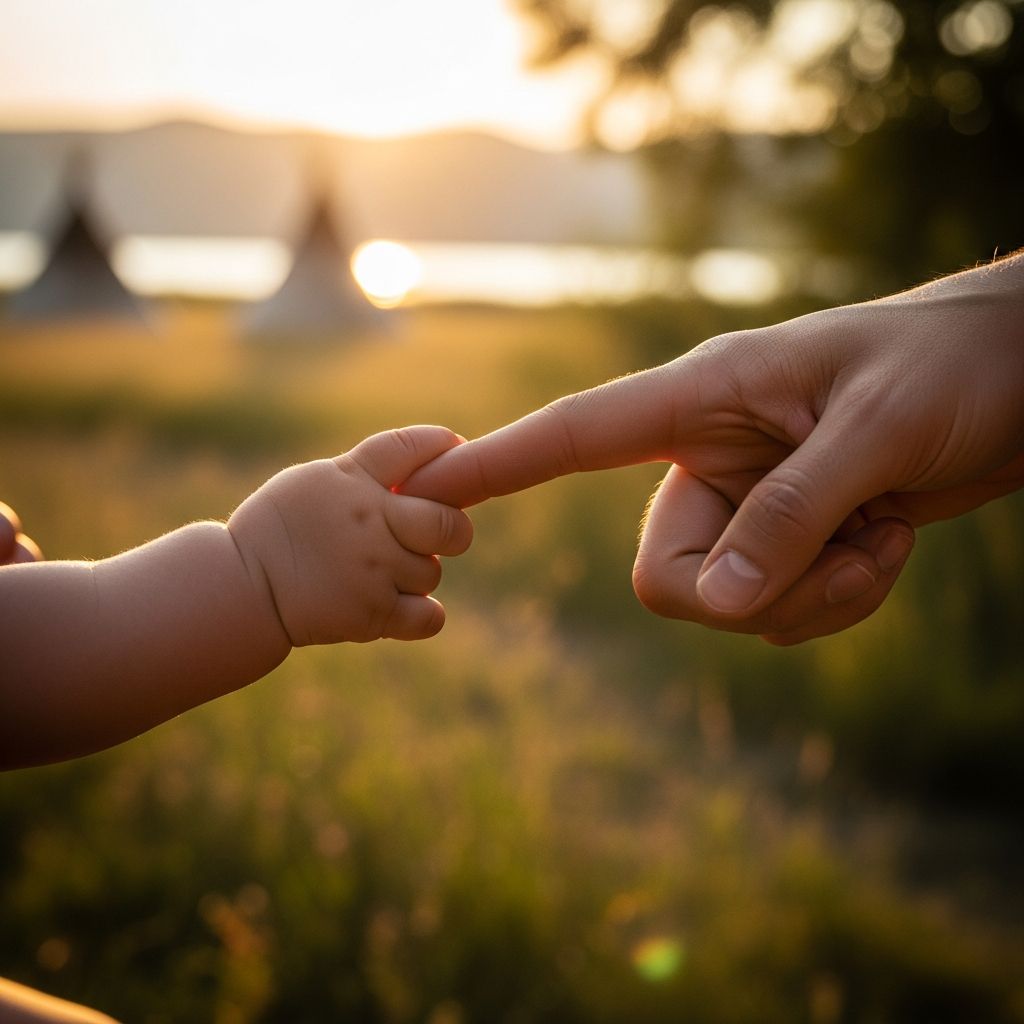
Native American Surnames for Babies
Choosing a baby name that reflects deep cultural roots can connect your child to a rich legacy of resilience and tradition. Native American surnames, drawn from diverse tribes across what is now the United States, often carry meanings tied to nature, family, geography, or personal traits. These names originated from hundreds of distinct nations, each with unique languages and customs, and many evolved through interactions with European settlers. Today, parents seeking inclusive, meaningful options are turning to these surnames as first names for boys and girls, blending heritage with contemporary appeal.
Understanding the Roots of Native American Surnames
Native American communities historically used single names descriptive of events, animals, or places, without fixed family surnames. By the 19th and early 20th centuries, influences from colonization led to the adoption of last names, sometimes translated from indigenous words, anglicized, or borrowed from European languages. This shift preserved elements of tribal identity while adapting to new societal structures. For baby naming, these surnames offer a way to honor indigenous heritage respectfully, especially when paired with awareness of their tribal origins.5
Tribes like the Cherokee in the Southeast, Apache in the Southwest, and Navajo in the Four Corners region developed distinct naming patterns. Cherokee names often reference landscapes or clans, Apache ones evoke elevation or clan ties, and Navajo emphasize kinship. Selecting such a name invites parents to learn about the specific tribe, ensuring cultural sensitivity and authenticity.
Cherokee-Inspired Surnames: Echoes of the Woodlands
The Cherokee Nation, once thriving in the Appalachian woodlands, holds surnames that reflect their environment and social structure. These can make striking, nature-infused baby names with a melodic flow.
- Ahoka: Signifies a specific district or peaceful area within Cherokee territory, evoking serenity and rootedness. Ideal for a child destined to bring calm to family life.
- Awiakta: Translates to ‘eye of the deer,’ symbolizing keen awareness and grace. This name suits a watchful, gentle spirit.
- Catawanee: Linked to a prominent Cherokee clan, its exact meaning is elusive but carries prestige from ancestral leadership.
- Chewey: Possibly adapted from European influences within Cherokee communities, it hints at chew or valley, suggesting humble origins.
- Oowaite: A variant of Waite, borne by historical figures like Stand Watie, a Cherokee leader. It conveys steadfastness and historical depth.
These names resonate with the Cherokee’s history of endurance, particularly after events like the Trail of Tears. Parents might choose them to instill pride in southeastern indigenous legacy.1
Apache Surnames: Strength from the Southwest Mountains
Apache groups, including Chiricahua and Mescalero, roamed arid landscapes, and their surnames often denote high places or tribal affiliations. As baby names, they project boldness and resilience.
- Altaha: Derived from terms meaning ‘high’ or ‘elevated,’ referencing mountain dwellers. Perfect for an adventurous child.
- Cosay: Associated with the White Mountain Apache Reservation, implying community and homeland ties.
- Dosela: A widespread Apache surname, its roots suggest everyday strength and familiarity within the tribe.
- Mescal: Tied to the Mescalero Apache, evoking the mescal plant used in rituals, symbolizing sustenance and tradition.
- Tessay: Another White Mountain name, possibly linked to local features, offering a unique, rhythmic sound.
Apache names embody the warrior spirit and adaptability of these nomadic peoples, making them empowering choices for babies.1
Navajo Surnames: Kinship and the Desert Legacy
As the second-largest tribe today, with roots in Arizona, New Mexico, and Utah, Navajo surnames emphasize family bonds and roles, providing warm, relational baby names.
- Acothley: Means ‘cowboy,’ reflecting modern Navajo life blended with traditional herding culture.
- Begay: From ‘biye,’ meaning ‘his son,’ a patronymic highlighting paternal lineage.
- Benally: Stems from ‘binali,’ denoting ‘his grandchild,’ celebrating generational continuity.
Navajo names like these underscore the importance of clan and family in Diné (Navajo) society, fostering a sense of belonging for your little one.1
Westernized and Blended Native American Surnames
Interactions with settlers produced hybrid surnames that merged indigenous elements with English or Spanish words. These accessible options bridge cultures elegantly.
- Paddock: From Old English ‘parrock,’ meaning small enclosure, adopted by some eastern tribes for fenced lands.
- Thunderhawk: Combines natural forces and birds of prey, common among hunters, symbolizing power.
- Welch: An anglicized term for ‘foreigner’ or Welsh influence, used by coastal Native groups.
Such names illustrate cultural fusion, appealing to families with mixed heritages.1
Choosing a Native American Surname as a Baby Name
When selecting from these surnames, consider pronunciation ease, tribal specificity, and personal connection. Research the tribe’s history—resources like tribal rolls from the National Archives can provide context.5 Consult pronunciation guides: for example, Ahoka is ‘ah-HO-kah,’ Awiakta ‘ah-WEE-ak-tah.’ Variants might include modern spellings for simplicity.
Practical tips include:
- Verify cultural appropriateness by connecting with tribal members or organizations like the National Indian Child Welfare Association.6
- Pair with middle names from the same tribe for cohesion, e.g., Ahoka James River.
- Discuss family significance to ensure the name’s story is passed down.
These steps honor the name’s origins while making it wearable in diverse settings.
Modern Appeal and Celebrations of Heritage
Native American surnames as baby names are rising in popularity for their uniqueness and depth. They stand out in schoolyards yet carry profound narratives. Celebrities and everyday families alike embrace them, from Acothley for its rugged charm to Benally’s familial warmth. In a globalized world, they promote diversity and respect for indigenous voices.
Historically, naming shifted from achievement-based to family surnames around 1900, as documented in archival records.3 This evolution allows today’s parents to revive that spirit creatively.
Frequently Asked Questions (FAQs)
Can non-Native parents use these surnames for their babies?
Yes, with respect and education about the tribe’s culture; many indigenous names are shared openly, but avoid commercialization or misrepresentation.
How do pronunciations vary across tribes?
Navajo names like Begay (‘buh-GAY’) differ from Cherokee like Awiakta (‘ah-wee-AHK-tah’); use tribal language resources for accuracy.
Are there gender-specific Native American surnames?
Most are unisex, originally tied to clans rather than gender, offering flexibility for any child.
What if my ancestry trace includes multiple tribes?
Choose based on strongest connection or blend, like a Cherokee first with Navajo middle, consulting genealogical rolls.5
References
- Native American Last Names and Meanings — FamilyEducation. Accessed 2026. https://www.familyeducation.com/baby-names/surname/origin/native-american
- Bureau of Indian Affairs Records: Tribal Rolls — National Archives and Records Administration (archives.gov). Ongoing. https://www.archives.gov/research/native-americans/rolls
- Afraid of Bear to Zuni: Surnames in English of Native American Origin — Marquette University Libraries. Undated archival PDF. https://www.marquette.edu/library/archives/Mss/BCIM/BCIM-SC1-NAsurnames.pdf
- Tracing Native Ancestry — National Indian Child Welfare Association (nicwa.org). 2019-02. https://www.nicwa.org/wp-content/uploads/2025/02/Tracing-Your-Native-Ancestry-2019-Final.pdf
Similar Articles




Read full bio of medha deb