
Norse Mythology Baby Names: Strength and Wonder
Ancient Norse legacy meets modern parenting: timeless names rooted in gods, nature, and legend.
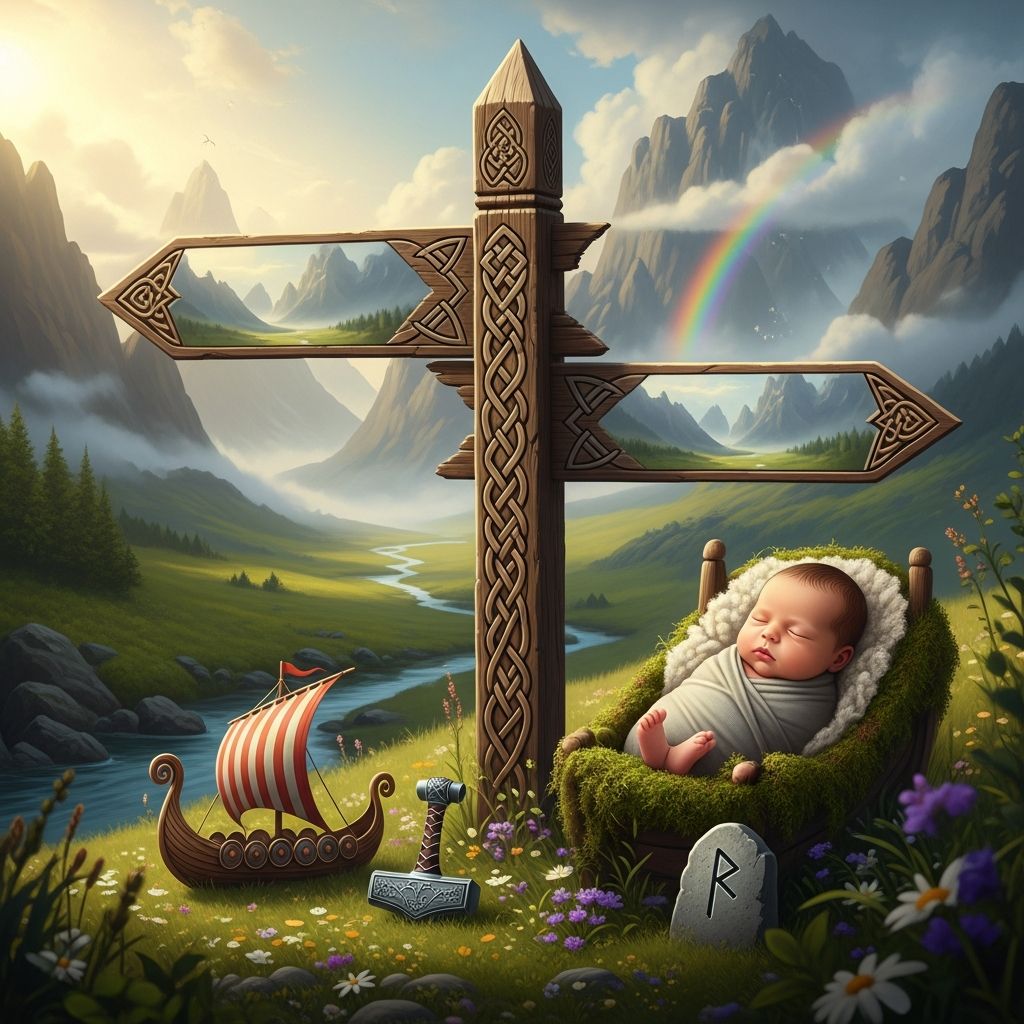
The Heritage Behind Norse Mythology Names
Norse mythology has captivated cultures for centuries, and its influence extends beautifully into the naming traditions of Scandinavia and beyond. These names carry far more than just phonetic appeal—they embody the values, beliefs, and natural world that shaped ancient Norse society. Parents drawn to Norse names often seek something distinctive yet grounded in genuine historical and mythological significance.
The Norse people held their naming practices with great intentionality. Names were not simply labels but were believed to shape a person’s character and destiny. Many names directly referenced qualities parents hoped their children would develop: courage, wisdom, protection, and connection to nature. This thoughtful tradition remains relevant today, offering modern parents names with substance and meaning.
Names Inspired by Divine Figures
The Norse pantheon provides some of the most compelling name choices, drawing from gods and goddesses whose stories have endured through millennia. These names carry the weight of legendary deeds and divine attributes.
Powerful Goddess-Inspired Names
Freya ranks among the most recognized Norse goddess names. Meaning “lady” or “goddess,” Freya represents the divine feminine in Norse tradition, associated with love, beauty, fertility, and even warfare. The goddess embodies a multifaceted power that modern parents appreciate—strength combined with grace. This name has gained considerable popularity across Scandinavian countries and increasingly in English-speaking regions, valued for its elegant sound and rich mythological roots.
Freyja is an alternative spelling of the same goddess, offering parents a choice in how they honor this powerful figure. Both variations carry identical meaning and cultural significance, though Freyja represents a closer phonetic alignment to the Old Norse pronunciation.
Skadi derives from the Norse goddess of winter, hunting, and mountains. Parents drawn to this name often appreciate its connection to resilience, independence, and the untamed natural world. Skadi embodies strength and self-reliance, having navigated both divine and mortal challenges with determination.
Idunn represents the goddess of youth and rejuvenation in Norse mythology. Her role as keeper of the golden apples that granted immortality makes her name symbolically powerful for parents wishing their children to embody vitality, growth, and renewal throughout life.
God-Inspired Names for Boys
Thor stands as perhaps the most immediately recognizable Norse god name. Associated with thunder, strength, and protection of mankind, Thor represents raw power tempered with responsibility. This short, forceful name appeals to parents seeking something both bold and historically grounded.
Odin invokes the chief god of Norse mythology, associated with wisdom, war, poetry, and knowledge. Choosing this name suggests parents value intellectual depth alongside strength, as Odin was portrayed as endlessly curious and willing to sacrifice for wisdom.
Vidar emerges from Norse mythology as a god of vengeance and silence, often described as a warrior or protector of forests. This name appeals to parents seeking something less mainstream than Thor or Odin while maintaining authentic Norse roots.
Nature-Connected Names with Mythological Ties
Many Norse names directly reference natural elements, animals, and landscapes that held spiritual significance in ancient Scandinavian culture. These names create a bridge between the divine and the earthly.
Celestial and Elemental Names
Dag translates to “day” or “daylight,” originating from Dagr, the Norse god responsible for bringing sunlight to the world. According to mythology, Dagr traveled across the sky in his chariot, drawn by a horse that created the dawn. For parents seeking shorter names with profound meaning, Dag encapsulates both simplicity and cosmic significance.
Sunniva combines two Old Norse elements meaning “sun gift” or “sun beam.” The name carries a legendary Irish-Norse narrative: a princess named Sunniva fled persecution and arrived on Norway’s western coast, guided by divine intervention. Her story became so remarkable that she was canonized as a saint, adding layers of spiritual significance to the name.
Eira means “mercy” or “snow,” evoking the purity and tranquility of winter landscapes. This name particularly appeals to parents drawn to softer sounds while maintaining the strength inherent in Norse naming traditions.
Ember captures the warmth and brightness of fire, suggesting a spark of energy and vitality. Though shorter than many traditional Norse names, it carries the spirit of Norse nature symbolism.
Animal-Inspired Names
Animals held profound symbolic meaning in Norse culture. Ravens served as Odin’s messengers, wolves represented warriors and wildness, bears symbolized strength and protection, and eagles embodied freedom and power.
Revna means “raven,” drawing from the Norse belief that these birds carried knowledge between worlds. Ravens appeared throughout Norse mythology as symbols of prophecy and divine communication.
Björn (often anglicized as Bjorn) directly means “bear,” invoking the strength and protective nature of one of the Norse world’s most revered animals. This name appears frequently in Viking history and continues as a classic Scandinavian choice.
Örn translates to “eagle,” symbolizing freedom, power, and the ability to see beyond immediate circumstances. This single-syllable name carries considerable weight despite its brevity.
Úlfur means “wolf,” connecting to the warrior spirit celebrated in Norse culture. Wolves appeared throughout Norse mythology as both fearsome creatures and loyal companions.
Strength, Battle, and Victory Names
Warriors held the highest status in Norse society, so names reflecting courage, victory, and martial prowess became deeply embedded in Scandinavian naming traditions. These names often combine elements meaning “battle,” “victory,” or warrior-related concepts.
Sigrid blends two Old Norse elements: “sig” (victory) and “rid” (beautiful). The name suggests victorious beauty—a combination of strength and grace. Sigrid also carries Valkyrie associations, as these mythological female warriors selected the slain for Valhalla. This name gained particular prominence in Scandinavian royal history.
Sigrun similarly incorporates the victory element but combines it with “rune,” meaning victorious rune. Runes held magical and communicative significance in Norse tradition, adding a layer of mystical meaning to an already powerful name.
Ragnhild means “battle counsel,” suggesting wisdom in warfare and strategic thinking. This longer, more elaborate name appeals to parents appreciating compound names with layered meaning.
Hildigunn translates to “battle maiden,” embodying courage and determination. The name carries the weight of Norse warrior culture while remaining distinctly feminine in sound.
Gunnar means “warrior” and appears frequently in Norse history and modern Scandinavian usage. The name combines straightforward meaning with strong, memorable sound.
Viggo derives from Old Norse meaning “warrior,” offering a shorter alternative to longer warrior-themed names. Its use in contemporary culture has introduced it to broader audiences while maintaining authentic Norse roots.
Wisdom, Magic, and Mystery Names
The Norse people revered wisdom, prophecy, and magical knowledge. Names reflecting these qualities appeal to parents valuing intellectual and spiritual depth.
Saga directly references a Norse goddess known for her foresight and ability to see all history. According to mythology, Saga drank daily from a waterfall containing memory and wisdom, granting her the ability to recall and record all events. Her role included acting as a muse for poets and storytellers. Parents choosing Saga often appreciate its meaning “she who sees everything” and its connection to memory, history, and creative inspiration.
Rún means “secret lore” or “rune,” connecting directly to the magical alphabet of ancient Norse culture. Runes were far more than writing tools; they carried mystical properties and were used for divination and spiritual purposes. This short, potent name appeals to parents seeking something uncommon yet deeply meaningful.
Alva originates from the Old Norse word “alf,” meaning elf. In Norse tradition, elves were not delicate fairy-tale creatures but rather powerful, otherworldly beings. The name also has Hebrew roots meaning “highness,” “brightness,” or “sublime.” Alva’s dual origins allow parents to honor both Norse and Hebrew heritage simultaneously, or simply appreciate its luminous quality.
Soren derives from the Latin “Severus” but gained prominence in Scandinavian cultures. Its meaning, “stern” or “serious,” connects to dignity and gravitas, appealing to parents valuing contemplative qualities.
Names Rooted in Personal Qualities and Blessings
Some Norse names directly expressed wishes or blessings parents held for their children, naming them for qualities they hoped would flourish.
Ingrid means “beautiful goddess,” combining elements suggesting both divine connection and aesthetic grace. This name has remained popular across Scandinavian countries for generations, valued for its elegant sound and positive meaning.
Elin translates to “light,” symbolizing brightness and clarity. This shorter name carries profound meaning, perfect for parents seeking something simple yet substantial.
Nora means “honor,” appealing to parents valuing integrity and respect. Though used internationally, it maintains strong Scandinavian roots and significance.
Gerd means “enclosure” or “protection,” suggesting safety and security. This name reflects the Norse emphasis on creating protective spaces and maintaining boundaries.
Liv directly translates to “life,” offering the shortest possible name with profound meaning. Its simplicity and power appeal to modern parents seeking minimalist yet meaningful choices.
Aina means “joy” or “bliss,” symbolizing happiness and positivity. This gentle-sounding name carries the strength of positive emotion and optimism.
Distinctive Norse Names Worth Considering
Beyond the most recognized choices, numerous distinctive Norse names offer unique combinations of meaning, sound, and cultural significance.
Leif means “heir” or “descendant,” and gained historical prominence through Leif Erikson, the Norse explorer credited with reaching North America around 1000 AD. This short name carries both family legacy and adventurous connotations.
Olaf translates to “ancestor’s relic,” reflecting heritage and tradition. Multiple Scandinavian kings bore this name, adding royal historical weight.
Magnus means “the great one” and was borne by numerous Scandinavian kings and rulers. Despite its grand meaning, the name remains accessible and increasingly recognized globally.
Astrid combines elements meaning “beautiful” and “loved,” creating a name expressing both aesthetic appeal and affection. Norse tradition held this name in high regard as embodying desired personal qualities.
Thyra means “helpful” or alternately “Thor’s warrior,” offering flexibility in interpretation. The name works across genders in some cultures while maintaining clear Scandinavian roots.
Thora means “thunder,” directly connecting to Thor and expressing power and strength. This name appeals to parents seeking something less common than Thor itself while maintaining the same mythological connection.
Freydis draws from a legendary Viking woman known for her courage and independence. Historical records describe her as bold and capable, making the name meaningful for parents valuing strength and self-determination.
Tilda means “battle maiden,” offering a shorter alternative to longer warrior-themed names. Its contemporary sound masks its ancient warrior heritage.
Ragna means “goddess” or “advice,” suggesting wisdom and divine connection. This name appeals to parents seeking something shorter than many traditional Norse choices while maintaining full cultural authenticity.
Practical Considerations When Choosing Norse Names
While Norse names offer substantial meaning and cultural richness, parents should consider several practical factors when making their selection.
Pronunciation and Spelling Variations: Many Norse names have multiple accepted spellings and pronunciations. Freya and Freyja represent the same goddess; Alva carries both Norse and Hebrew interpretations. Understanding these variations helps parents make intentional choices and prepare for questions about their child’s name.
Geographic and Cultural Context: Some names remain primarily used in Scandinavian countries, while others have gained international recognition. Freya, Thor, and Leif are relatively well-known outside Nordic regions, while names like Dag or Rún remain less familiar. Consider whether you prefer a name that stands out or one with broader recognition in your community.
Sound and Nickname Potential: Consider how the name sounds in your native language and what natural nicknames might emerge. Ingrid shortens to Inge or Ingy; Magnus might become Mag; Sigrid could become Sig or Sid. Think about whether these variations appeal to you.
Balancing Distinctiveness with Accessibility: Unique names like Saga, Dag, or Rún carry significant meaning but require explanation. More familiar choices like Freya, Thor, or Leif are immediately recognizable but more commonly used. Your preference depends on personal values regarding individuality and accessibility.
Family Heritage Alignment: Norse names carry particular resonance for families with Scandinavian heritage, though they appeal broadly to parents valuing mythology and meaning. Consider whether the name connects to your family history or represents values you want to emphasize.
Frequently Asked Questions
Q: Are Norse mythology names still commonly used in Scandinavian countries today?
A: Yes, though popularity varies by name. Classics like Freya, Ingrid, and Leif remain frequently used, while others like Dag or Rún are less common. Many Scandinavian families deliberately choose traditional Norse names to honor heritage and cultural identity. In countries like Iceland and Norway, Norse names remain particularly prevalent.
Q: Do Norse names work well across different languages and cultures?
A: Some Norse names translate easily across languages (Thor, Freya, Leif), while others may present pronunciation challenges outside Scandinavian regions. Names like Saga or Elin work internationally, though you may encounter spelling or pronunciation questions. Consider whether your child will primarily live in Scandinavian-speaking areas or internationally when making your choice.
Q: What’s the difference between Norse and Viking names?
A: These terms overlap significantly. Norse refers to the ancient Scandinavian people and their culture, language, and mythology. Viking typically describes the Norse people during their seafaring, exploratory period (roughly 800-1050 AD). Most Viking names are Norse names, though not all Norse names come from the Viking era specifically. The names discussed in this article span broader Norse history and mythology rather than exclusively the Viking period.
Q: Can I use a Norse name if I don’t have Scandinavian heritage?
A: Absolutely. Norse mythology and naming traditions represent rich cultural heritage open to appreciation and use across communities. Many parents worldwide choose Norse names for their meanings, sounds, or cultural significance without family Scandinavian connections. What matters is approaching the names respectfully and understanding their origins and meanings.
Q: Are there gender-neutral Norse mythology names?
A: Yes, several work across genders. Alva, Elin, and Liv are used for all genders in various Scandinavian cultures. Some traditionally masculine or feminine names are also being used more flexibly in modern naming practices. Consider whether you prefer traditionally gendered names or more flexible options.
References
- Viking names – National Museum of Denmark — National Museum of Denmark. Accessed 2026. https://en.natmus.dk/historical-knowledge/denmark/prehistoric-period-until-1050-ad/the-viking-age/the-people/names/
- 10 unique Nordic baby names and their meanings — Najell. Accessed 2026. https://najell.com/en-eu/urban-dreamers/10-unique-nordic-baby-names-and-their-meanings
- Norse Baby Names for Girls and Boys — The Bump. Accessed 2026. https://www.thebump.com/b/norse-baby-names
Similar Articles






Read full bio of medha deb