
Scandinavian Surnames: Origins and Meanings
Discover heritage in every name: Unlock stories of ancestry and identity for your family.
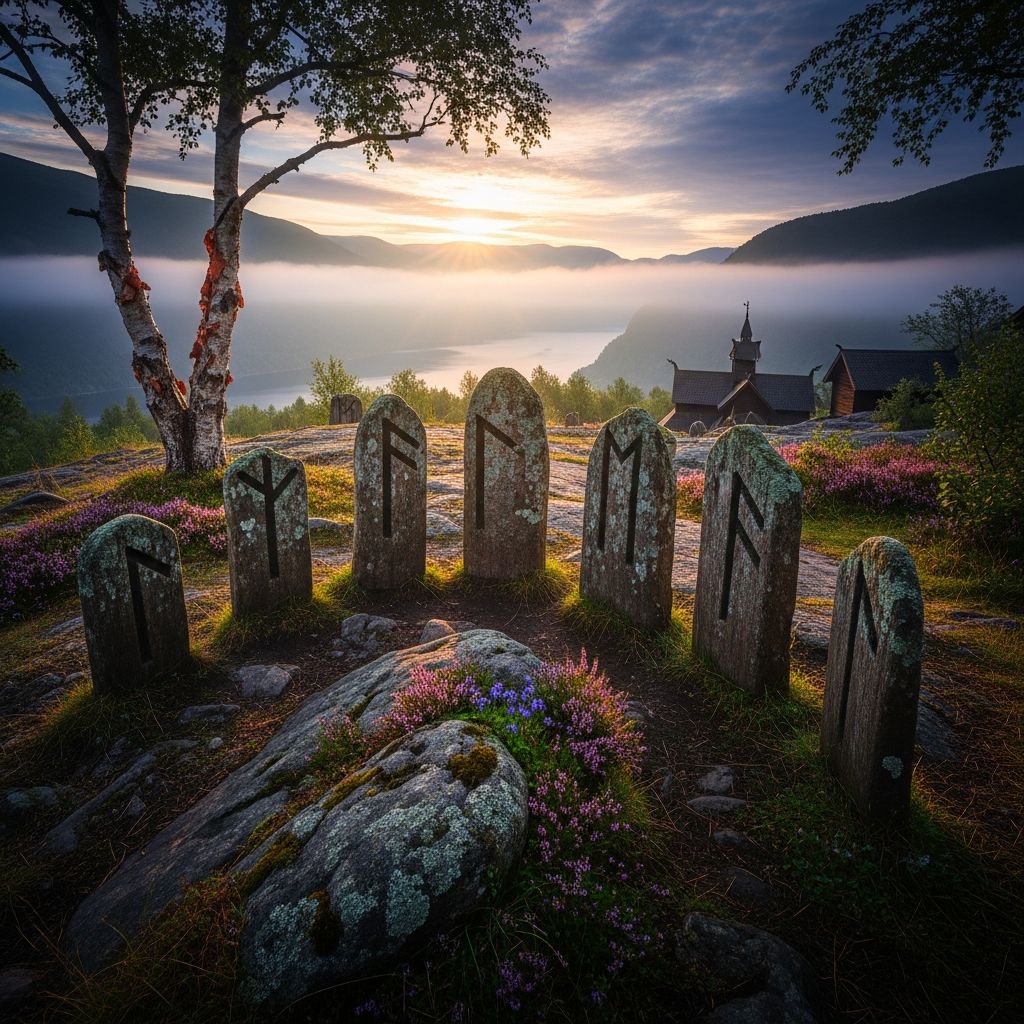
Scandinavian surnames carry deep historical roots, reflecting centuries of cultural traditions in countries like Sweden, Norway, Denmark, and Iceland. Unlike many Western naming systems, these names evolved from patronymics—family identifiers based on a father’s given name—before shifting to fixed hereditary surnames in the 19th and early 20th centuries. This transition offers parents today a unique opportunity to choose names that honor Nordic heritage while fitting modern life.
The Patronymic Tradition: Building Names from Ancestry
For hundreds of years, until around the mid-1800s, Scandinavians used patronymic surnames, where a child’s last name derived directly from their father’s first name. Sons added suffixes like -son, -sen, or -sson meaning ‘son of,’ while daughters used -dotter, -dóttir, or -datter for ‘daughter of.’ This system ensured names changed each generation, emphasizing immediate lineage over fixed family lines.
In Norway, for example, if a father named Olaf had a son, the boy might be called Lars Olafsson. His sister could be Ingrid Olafsdatter. This practice persisted longest in rural areas, fading as urbanization and emigration influenced adoption of permanent surnames around 1923.
Sweden followed a similar pattern, with names like Andersson (son of Anders) becoming common. The 1901 Names Act mandated fixed surnames, ending the shifting patronymics and requiring families to select enduring identifiers.
Denmark transitioned earlier, between 1828 and 1904, blending patronymics with emerging family names. Iceland retains this system today, using -son for boys and -dóttir for girls, keeping the tradition alive in contemporary use.
From Fathers’ Names to Enduring Family Legacies
The move to hereditary surnames marked a profound change, driven by record-keeping needs, military organization, and migration. In cities like Bergen, Norway, fixed names appeared as early as the 16th century among about a quarter of the population by the 17th century.
Families often chose names from recent patronymics, farm locations, or personal traits. Swedish soldiers, facing too many duplicate Anderssons, received descriptive soldier names like Frisk (‘healthy’) or Stolt (‘proud’) in the 17th century onward.
Emigrants to America frequently altered names for assimilation—brothers might adopt entirely different surnames upon arrival, complicating genealogy. Women traditionally retained their own patronymics upon marriage until social shifts encouraged adopting husbands’ names.
Popular Patronymic Surnames and Their Stories
Many modern Scandinavian surnames trace back to common first names, preserving echoes of the patronymic era. Here’s a curated list of prevalent examples with origins and meanings:
- Andersson/Andersen: Son of Anders (from Greek ‘manly’). One of Sweden’s most common, reflecting the popularity of Anders.
- Johansson/Jansen: Son of Johan (Hebrew ‘God is gracious’). Widespread in Sweden and Denmark.
- Nilsson/Nielsen: Son of Nils (from Nikolaus, ‘victory of the people’). Common across Scandinavia.
- Olofsson/Olsen: Son of Olof (Old Norse ‘ancestor’s descendant’). Tied to ancient Viking roots.
- Persson/Pedersen: Son of Per (from Peter, ‘rock’). A staple in Swedish and Danish families.
- Svensson/Svensen: Son of Sven (Old Norse ‘boy’ or ‘young man’). Ubiquitous in Sweden.
For girls in historical records, equivalents like Andersdotter or Svensdotter appeared, though fixed surnames later unified family naming.
Nature and Place-Inspired Surnames: Connecting to the Land
Beyond patronymics, many Scandinavian surnames draw from geography, known as toponyms. Farms, valleys, and hills provided names that described locations, becoming hereditary identifiers.
Norwegian examples often highlight terrain:
- Berg: Mountain or hill, evoking rugged landscapes.
- Dal/Dahl: Valley, common in fjord regions.
- Solberg: Sunny hill, blending light and elevation.
Swedish nature names celebrate flora and features:
- Lindberg: Lime tree hill, symbolizing strength and growth.
- Bergkvist: Mountain twig, poetic and grounded.
- Alstrom: Alder river, linking trees to waterways.
These names foster a sense of place, ideal for parents seeking earthy, timeless options.
Soldier Names and Descriptive Origins
In Sweden, military service from the 1600s spurred unique surnames. With patronymics overwhelming rosters, soldiers adopted names from traits, weapons, or nature. Examples include:
- Hjälm: Helmet, denoting protection.
- Stål: Steel, implying resilience.
- Svärd: Sword, evoking valor.
- Modig: Brave, a direct character descriptor.
These added variety, helping distinguish individuals in large forces and passing down as family names.
Choosing Scandinavian Surnames for Your Baby
Today’s parents can embrace Scandinavian surnames as first or middle names, blending tradition with innovation. Consider pronunciation—simple sounds like Berg (bare-guh) or Lind (lind) adapt well globally. Check cultural fit: Patronymics like Larsson suit versatile use, while nature names like Dahl offer serenity.
Practical tips:
- Research family trees for personal ties using genealogy sites.
- Test nicknames: Svensson might shorten to Sven.
- Pair with modern first names, e.g., Elias Berg or Freya Nilsson.
- Honor gender traditions subtly, like using -son endings unisexly now.
These names symbolize resilience, nature connection, and ancestry, making them meaningful choices.
Regional Variations Across Scandinavia
Surnames vary by country, reflecting local languages and histories.
| Country | Common Suffix | Example | Meaning |
|---|---|---|---|
| Sweden | -sson | Gustafsson | Son of Gustaf (‘staff of the Geats’) |
| Norway | -sen/-son | Olsen | Son of Ole (‘ancestor’s heir’) |
| Denmark | -sen | Hansen | Son of Hans (‘God is gracious’) |
| Iceland | -son/-dóttir | Jónsson | Son of Jón (still in use today) |
Finland, with Swedish influences, features names like Virtanen (stream estate), blending Finnish and Scandinavian elements.
Modern Revival and Global Appeal
With Nordic culture booming via shows like Vikings and hygge trends, these surnames gain popularity worldwide. Parents value their brevity, strength, and authenticity. In the U.S., names like Larsen or Hagen rise, merging heritage with accessibility.
Genealogy research reveals personal stories—many discover Scandinavian roots through DNA tests, inspiring name choices.
Frequently Asked Questions
Can I use a historical patronymic as a modern surname?
Yes, many families revive them as fixed names. In Sweden post-1901, this became standard; ensure legal checks in your country for hyphenated or combined forms.
Do Scandinavian surnames change for women upon marriage?
Historically no—women kept maiden patronymics. Today, practices vary; many retain originals or hyphenate for equality.
Are nature-based surnames unique to Scandinavia?
While common there due to farm traditions, similar toponyms exist elsewhere. Scandinavian ones uniquely tie to fjords, forests, and Viking-era settlements.
How do I pronounce common endings like -sson?
Typically ‘suhn’ in Swedish/Norwegian, softer than English ‘son.’ Listen to native audio for accuracy.
References
- Scandinavian Naming Practices – Genealogy Research in Scandinavia — Swedish Finnish Historical Society. 2022-10-09. https://www.swedishfinnhistoricalsociety.org/2022/10/09/scandinavian-naming-practices-genealogy-research-in-scandinavia/
- Patronymic Last Names — Norway DNA Norgesprosjektet. N/A. https://www.norwaydna.no/gedcoms-and-genealogy/norwegian-names-en/patronymic-last-names/
- Surnames, Origins and Meanings ~ Part 2 Scandinavia — The Gene Genie Blog. 2017-09-09. https://thegenegenieblog.wordpress.com/2017/09/09/surnames-origins-and-meanings-part-2-scandinavia/
- The Surprising Origins of Swedish Surnames — Babbel. N/A. https://www.babbel.com/en/magazine/origins-swedish-surnames
- Swedish Last Names: History and Meanings — FamilySearch. N/A. https://www.familysearch.org/en/blog/swedish-surnames
- Scandinavian family name etymology — Wikipedia (informed by primary sources). N/A. https://en.wikipedia.org/wiki/Scandinavian_family_name_etymology
Similar Articles



Read full bio of medha deb