
Scottish Surnames as Baby Names: Origins and Meanings
Unlock heritage in every syllable: Timeless Scottish names for your child's legacy.
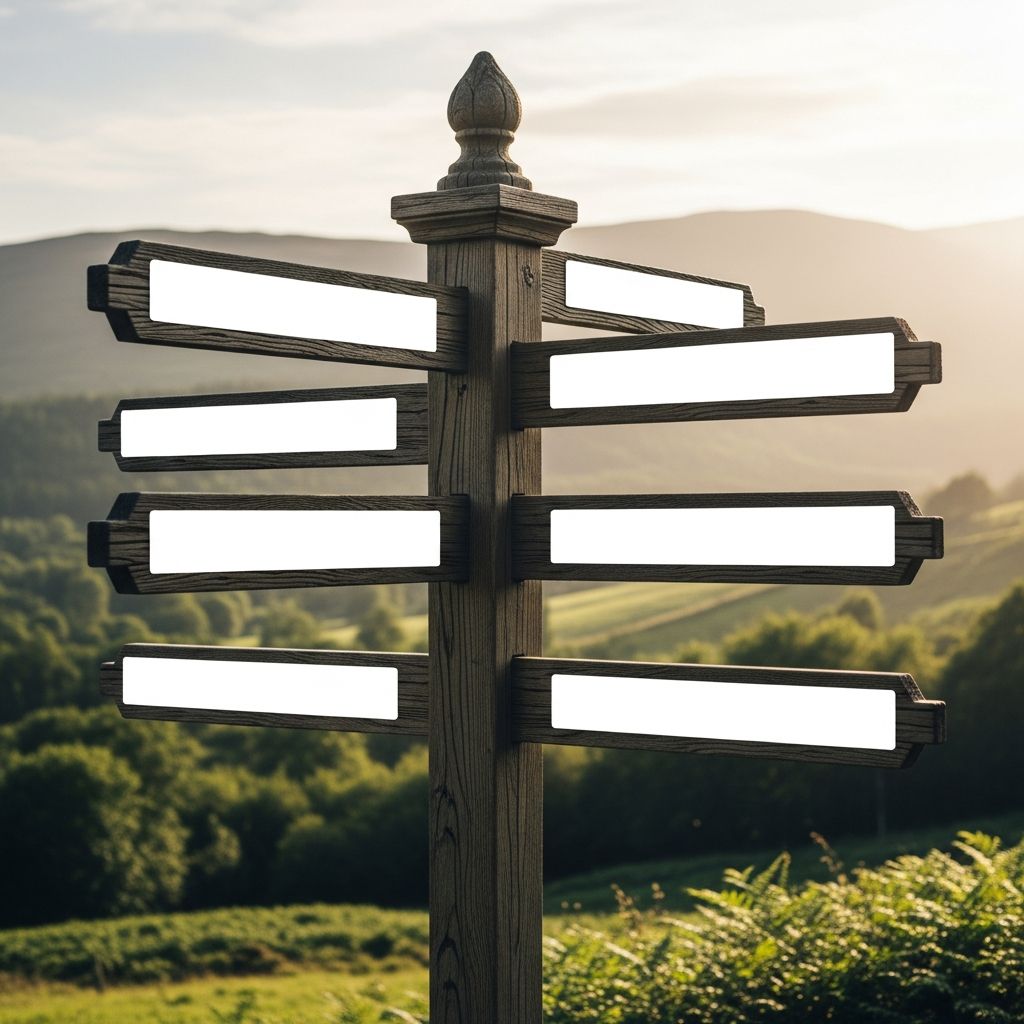
Scottish surnames carry layers of history, from ancient Gaelic roots to Norse influences and Norman arrivals, making them compelling choices for baby names. These names evoke rugged landscapes, clan loyalties, and enduring family bonds, offering parents a way to honor heritage while giving a child a distinctive identity.
The Historical Roots of Scottish Family Names
Family names in Scotland emerged prominently during the 12th century under King David I, who invited Anglo-Norman settlers that introduced hereditary surnames tied to land and status. These early names, such as de Brus (later Bruce), blended with local Gaelic traditions where ‘Mac’ or ‘Mc’ denoted ‘son of,’ creating patronymic styles like MacDonald, meaning son of Donald. Norse settlers in the northern isles added their mark with names like MacLeod, from the Old Norse Ljotr, reflecting Viking seafaring heritage.
The Ragman Roll of 1296 provides one of the first written records, listing nobles like Stewart, Fraser, and Douglas who swore fealty to England’s Edward I. This document reveals a mix of Gaelic Highland names and Lowland territorial ones, highlighting Scotland’s diverse cultural fabric. Over time, clans formalized these names, associating them with tartans, crests, and territories that symbolized loyalty and identity.
Why Choose a Scottish Surname for Your Baby
Repurposing surnames as first names bridges past and present, giving children a sense of belonging to something larger. In today’s global world, names like Campbell or Murray stand out for their strength and familiarity without being overly common. They carry positive connotations of resilience—think Highland warriors and Lowland scholars—and pair well across genders, promoting inclusivity.
Parents drawn to Scottish surnames often seek names that tell a story. These choices can spark conversations about ancestry, encouraging family bonding through genealogy exploration. Unlike fleeting trends, surname-inspired names remain evergreen, rooted in centuries of tradition.
Patronymic Names: Sons of Legends
Patronymics form the backbone of Scottish nomenclature, emphasizing father-son lineage. The prefix ‘Mac’ (Gaelic for son) prefixes many classics:
- MacDonald: Son of Donald (world ruler); largest Highland clan, known for Isle of Skye ties and leadership in battles.
- MacGregor: Son of Gregor (vigilant); infamous for a 1603 proscription forcing aliases, symbolizing defiance.
- MacLeod: Son of Leod (ugly or poetic); Harris and Skye clan with Norse roots, guardians of Dunvegan Castle.
- MacKenzie: Son of Coinneach (fair one); powerful Ross-shire clan, ‘Cabar Feidh’ (deer antler) crest.
- MacLean: Son of Gillean (servant of St. John); Duart Castle lords, naval prowess in history.
These names suit babies seeking a bold, rhythmic sound. MacGregor, for instance, offers nickname potential like Greg or Rory, easing everyday use.
Territorial and Place-Based Names
Lowland influences brought names from geography, denoting estates or regions. Norman settlers adopted ‘de’ prefixes that evolved into standalone surnames:
- Fraser: From French ‘fraisier’ (strawberry) or a site near Inverness; Beauly Priory patrons.
- Gordon: From Normandy lands, meaning ‘large fort’; Huntly chiefs with vast Aberdeenshire holdings.
- Stewart: Former ‘steward’ role; royal lineage from Robert II, synonymous with Scottish monarchy.
- Douglas: Dark river (Gaelic dubh glas); pivotal in wars of independence, Black Douglas fame.
- Murray: From Moray region, lordly title; sea warriors turned political influencers.
Such names ground a child in Scotland’s terrain, from misty glens to coastal strongholds, ideal for families with ties to the land.
Occupational and Descriptive Surnames
Everyday trades and traits inspired practical names, common in burghs and crafts:
- Smith: Blacksmith; most widespread, reflecting essential metalwork in clans.
- Campbell: Crooked mouth (Gaelic cam beul); Argyll giants, strategic in alliances.
- Duncan: Dark warrior; ancient kings’ name, evoking Pictish strength.
- Wilson: Son of Will (resolute protector); widespread Lowland patronymic.
- Brown: Tawny-haired; descriptive of complexion, enduring simplicity.
These offer approachable options; Campbell’s crisp sound works unisex, while Duncan conveys quiet power.
Norse and Hybrid Influences in the North
Orkney, Shetland, and Hebrides bear Viking stamps:
- Gunn: From Gunnhildr (battle war); Caithness fighters.
- Sinclair: St. Clair chapel; Norman-Norse earls of Orkney.
- Mackay: Son of Aodh (fire); Strathnaver reivers resisting control.
Hybrid names like these blend ferocity with melody, perfect for adventurous spirits.
Notable Scottish Surnames and Their Stories
Beyond categories, standout names captivate:
- Bruce: From de Brus, Norman; Robert the Bruce’s independence legacy.
- Wallace: Welsh stranger; William Wallace’s freedom fight immortalized.
- RobRoy: Red Robert (nickname); outlaw folk hero, MacGregor kin.
- Grant: Great/magnificent; Strathspey lairds, green grant motto.
- Hay: Enclosure/hedge; Erroll constables, ancient Ythan ties.
Each whispers tales of valor, fitting for a name that inspires.
Pronunciation Guide and Modern Adaptations
Scottish names demand phonetic care: MacDonald as ‘muh-KON-uhlld,’ Campbell ‘KAM-buhl,’ Fraser ‘FRAH-zer.’ Variants like McDonald or Kampbell ease anglicization. For babies, shorten to Don, Cam, or Fraze. Gender neutrality shines in Murray (girl or boy) or Blair (field, unisex).
Check family tartans via clan societies for personalization, turning a name into a visual heirloom.
Selecting the Perfect Scottish Surname Name
Consider heritage: Ancestry tests reveal clan links. Balance uniqueness—Smith is common, MacPhee rare. Test flow with middle/sibling names; Duncan James rolls smoothly. Reflect values: Warrior like Douglas or peaceful like MacPhee (son of peace). Consult global usability, as these travel well.
Popular picks include Harris (son of Harry, Hebridean), Reid (red-haired), and Scott (from Scotland). Rare gems: MacRae (grace son), Lamont (law man).
Frequently Asked Questions
Can Scottish surnames work for girls?
Yes, many like Blair, Campbell, or Fraser are unisex, with clans historically including women leaders; modern usage favors them for daughters too.
Are there legal issues using clan names?
No, surnames are public domain; chief permissions rare, only for official arms—first-name use free for all.
How do I trace my Scottish surname clan?
Use records like parish registers or DNA via sites like ScotlandsPeople; clan maps link names to territories.
What’s the most ancient Scottish surname?
Robertson (Donnachaidh) traces to 12th-century Crinan; consult clan histories for verified lineages.
References
- Scottish Last Names: Origins, Meanings & Clan Heritage of Surnames — Celtic Studio. 2023-05-15. https://celticstudio.shop/blogs/article/scottish-last-names
- The Origin and Meaning of Scottish Surnames — Ancestral Findings. 2022-11-10. https://ancestralfindings.com/the-origin-and-meaning-of-scottish-surnames/
- What Scottish Surnames and Meanings Say About Your Roots? — Tartan Vibes Clothing. 2024-02-20. https://www.tartanvibesclothing.com/blogs/culture/scottish-surnames-and-meanings
- Top 50 Common Scottish Last Names And Meanings — Scotstee Shop. 2023-08-05. https://scotstee.com/blogs/top-50-common-scottish-last-names-and-meanings
- Scottish Surnames: Kilts, Clans, and Culture — Ancestry.com. 2024-01-12. https://www.ancestry.com/c/ancestry-blog/scottish-surnames-kilts-clans-and-culture
- Scottish surnames — Wikipedia. 2025-10-03. https://en.wikipedia.org/wiki/Scottish_surnames
Similar Articles


Read full bio of Sneha Tete