Baby’s First Smiles: Voice Recognition 0-4 Months
Discover how infants from birth to 4 months recognize familiar voices and respond with joyful smiles, fostering early emotional bonds.
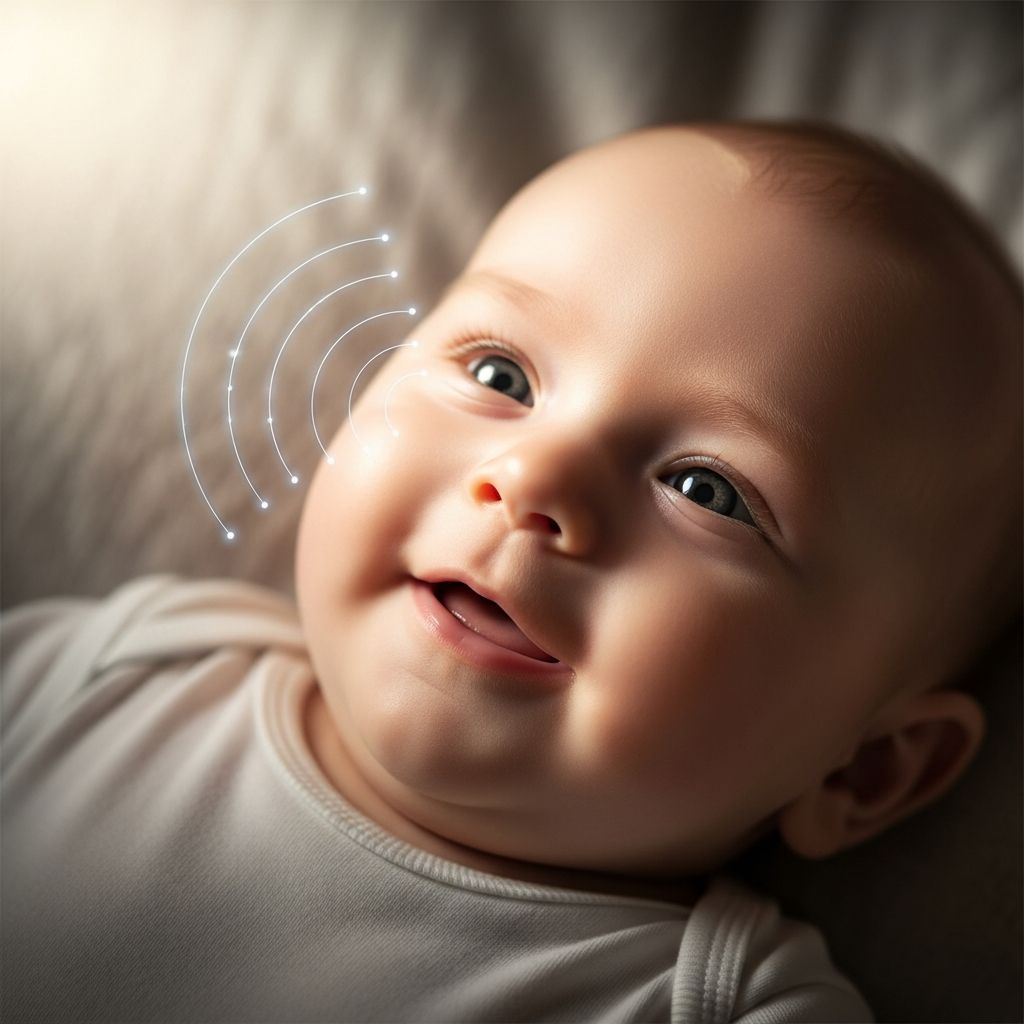
From the moment of birth, infants embark on a remarkable journey of sensory and cognitive development. One of the most heartwarming milestones in the first four months is a baby’s ability to recognize familiar voices and respond with a genuine smile. This response not only strengthens the parent-child bond but also signals healthy brain development. During this period, babies transition from reflexive cries to purposeful interactions, using hearing and vision to connect with their world.
Understanding Early Sensory Foundations
Newborns enter the world with a fully functional auditory system, primed to detect and differentiate sounds. Within days, they show preferences for their mother’s voice, turning their heads or quieting in response. This innate ability lays the groundwork for language acquisition and emotional security. By one month, infants begin focusing on faces 8-12 inches away, their optimal distance for eye contact during feeding or cuddling.
Sensory integration accelerates rapidly. Babies prefer high-contrast patterns and human faces, which stimulate visual pathways. Soft textures and sweet scents, like breast milk, provide comfort, while loud noises elicit startle reflexes. These early experiences wire the brain for future learning, emphasizing the importance of a calm, responsive environment.
Month-by-Month Milestones: Building Recognition Skills
Birth to 1 Month: Instinctive Responses
In the first month, babies rely on basic reflexes. They cry to communicate needs, yawn when overstimulated, and experiment with facial expressions like pursing lips or squinting eyes. Auditory cues are powerful: infants may stop crying at a parent’s voice or touch, demonstrating early self-soothing. Vision is limited, but they track objects briefly and recognize familiar scents, fostering attachment.
- Turns toward familiar voices and sounds
- Startles at loud noises
- Quiets to gentle handling
- Enjoys black-and-white contrasts
1 to 2 Months: Emerging Social Awareness
Around two months, motor control improves, with smoother head support and hand movements. Cognitively, babies recognize caregiver voices more distinctly, often smiling in response. They follow moving objects and coordinate eyes with hands, marking the onset of social smiling—a true delight for parents. Play involves watching faces intently and grasping simple toys.
| Milestone Area | Key Developments |
|---|---|
| Sensory | Smiles at parent’s voice; tracks objects; prefers faces |
| Motor | Lifts head briefly; opens/closes hands |
| Social | Quiets to name; enjoys peek-a-boo precursors |
2 to 3 Months: Interactive Babbling Begins
By three months, communication blossoms. Babies babble, imitate sounds, and use expressive faces and body language. They support their upper body on tummy time, kick legs vigorously, and bring hands to mouth. Socially, they develop a ‘social smile,’ laughing softly and crying when play ends. Recognition of familiar people at a distance enhances security.
- Begins cooing and chuckling
- Turns head to sounds
- Grasps and shakes toys
- Imitates facial expressions
3 to 4 Months: Personality Emerges
Four-month-olds chuckle at funny faces, make cooing sounds, and vary cries for different needs (hunger, tiredness). Hand-eye coordination refines as they swat dangling toys and reach purposefully. They recognize voices instantly, turning with smiles, and show interest in mirrors, exploring self-image. Brain growth supports object permanence basics, like anticipating routines.
The Science Behind Voice Recognition and Smiling
Research shows infants are born with voice-specific neural pathways. Prenatally exposed to maternal speech patterns, newborns prefer that rhythmic cadence, aiding bonding. Social smiling around 2 months activates reward centers in the brain, releasing oxytocin in both baby and caregiver, reinforcing attachment.
Cognitive growth hinges on responsive interactions. When parents talk, sing, or read, synaptic connections multiply, enhancing memory and cause-effect understanding. For instance, shaking a rattle teaches sound production links. Consistent routines build anticipation, as babies grab comfort items for naps.
Visual milestones parallel auditory ones: from crossed eyes at birth to color differentiation by 3-4 months, enabling focused gazes during conversations. Multisensory play—combining touch, sound, and sight—optimizes development.
Practical Tips for Parents to Nurture These Milestones
Engage daily to maximize growth. Talk face-to-face during feeds, exaggerating expressions to elicit smiles. Use mirrors for self-discovery and high-contrast toys for visual tracking. Sing lullabies or nursery rhymes to boost language exposure.
- Practice tummy time 3-5 times daily, narrating actions to link voice with movement.
- Respond promptly to cries, varying tone to teach emotional cues.
- Introduce soft rattles; encourage reaching and shaking.
- Maintain eye contact, smiling back to model reciprocity.
- Create quiet routines for feeding and sleep, using familiar voices for comfort.
Monitor feeding: Breastfed babies nurse 8+ times daily; bottle-fed take 5-6 ounces every 4 hours. Watch for settled patterns by 3 months.
Potential Red Flags and When to Seek Help
Most babies hit milestones variably, but consult professionals if by 4 months: no social smiling, no head lifting on tummy, no response to sounds/voices, or persistent eye crossing. Early intervention supports optimal trajectories. Track progress with apps or charts from trusted sources like CDC.
Frequently Asked Questions (FAQs)
At what age do babies first smile at voices?
Around 2 months, babies develop social smiles in response to familiar voices, distinct from reflexive newborn grins.
How can I encourage voice recognition?
Talk, sing, and read daily at 8-12 inches away. Respond to coos with imitation to build interaction.
Is tummy time essential for these milestones?
Yes, it strengthens neck muscles for head turning toward sounds and supports overall motor-cognitive links.
What if my baby doesn’t smile by 3 months?
Discuss with a pediatrician; it could indicate vision/hearing needs, but most catch up with stimulation.
How does bonding through voice affect long-term development?
It fosters secure attachment, language skills, and emotional regulation, forming brain architecture for learning.
Long-Term Benefits of Early Voice and Smile Interactions
These foundational skills predict later successes in communication and social-emotional health. Babies with robust early recognition excel in babbling by 6 months, vocabulary by 12, and empathy in toddlerhood. Parental responsiveness during 0-4 months correlates with higher IQ and resilience. Invest time now for lifelong gains.
Every smile is a neural triumph. By nurturing voice recognition and social responses, parents unlock their baby’s potential, creating joyful, secure beginnings.
References
- Developmental Milestones for Infants (0-6 months) — JoinCoralCare. 2024. https://www.joincoralcare.com/developmental-guides/milestones-0-6-months-infants
- Cognitive Development: Infants and Toddlers — Virtual Lab School. 2024. https://www.virtuallabschool.org/infant-toddler/cognitive-development/lesson-2
- Developmental Milestones: 0 to 6 Months — Nationwide Children’s Hospital. 2024. https://www.nationwidechildrens.org/family-resources-education/health-wellness-and-safety-resources/helping-hands/developmental-milestones-0-to-6-months
- Infant development: Birth to 3 months — Mayo Clinic. 2024-10-24. https://www.mayoclinic.org/healthy-lifestyle/infant-and-toddler-health/in-depth/infant-development/art-20048012
- Supporting Thinking Skills From 0-12 Months — Zero to Three. 2024. https://www.zerotothree.org/resource/supporting-thinking-skills-from-0-12-months/
- Cognitive Development, Ages 1 to 12 Months — Alberta Health Services. 2024-10-24. https://myhealth.alberta.ca/Health/pages/conditions.aspx?hwid=ue5462
- CDC’s Developmental Milestones — Centers for Disease Control and Prevention. 2024. https://www.cdc.gov/act-early/milestones/index.html
Similar Articles







Read full bio of medha deb