Baby’s First Words: Common Milestones Unveiled
Discover when babies say their first words, the most common ones like mama and dada, and tips to boost early language skills effectively.
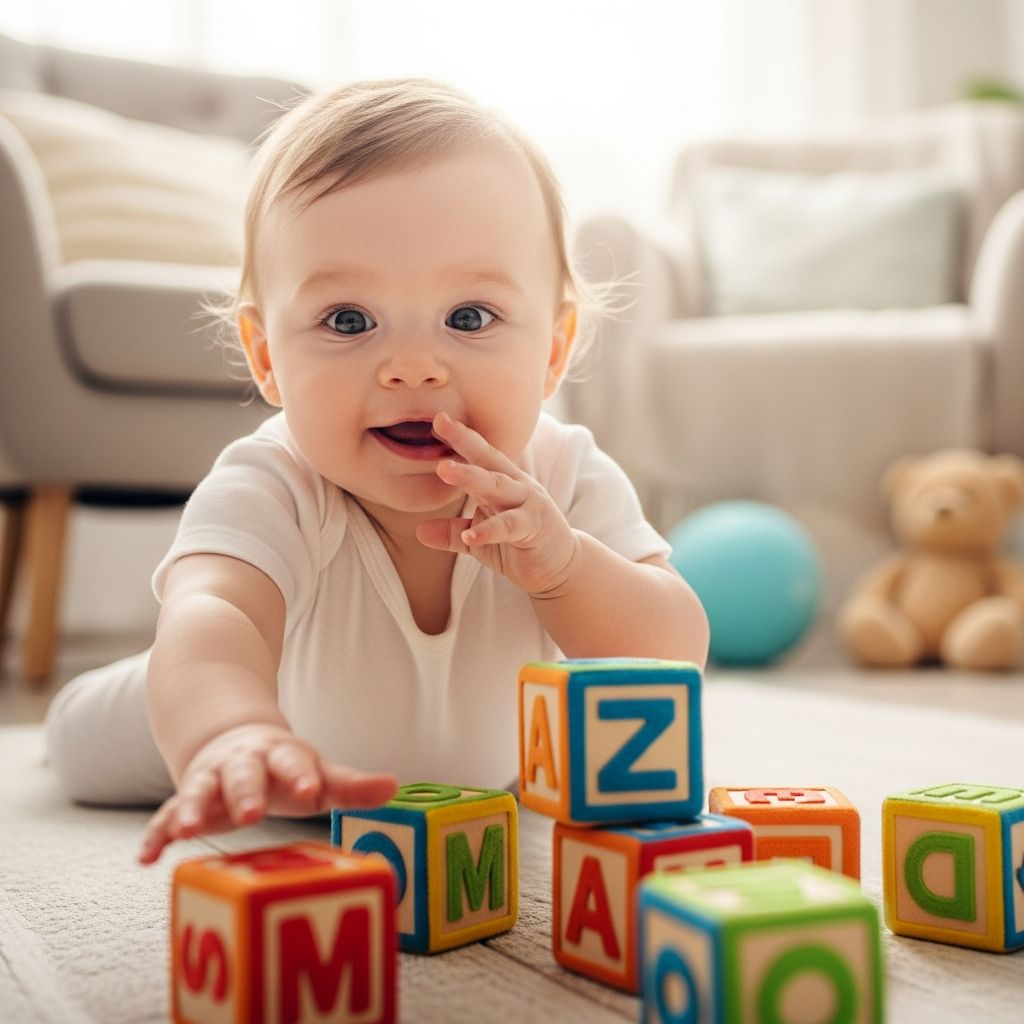
The journey to a baby’s first words is one of the most thrilling parts of parenthood. From coos and babbles to meaningful utterances, infants typically utter their initial recognizable words between 10 and 14 months of age, with ‘mama’ and ‘dada’ leading as the most frequent. This milestone marks the transition from pre-verbal communication to true language, building on months of listening, imitating, and experimenting with sounds.
Understanding the Foundations of Infant Speech
Language development begins at birth, as newborns distinguish their caregiver’s voice and respond to tones. By 3-4 months, babies make eye contact and produce vowel-consonant combinations like ‘ah-goo’ or ‘ga-ga,’ laying groundwork for words. These early vocalizations help infants practice the motor skills needed for speech, such as coordinating breath, tongue, and lips.
Parents play a crucial role by responding to these sounds, which reinforces neural pathways for communication. Rhythm in speech, like that in nursery rhymes, aids babies in segmenting words from continuous sound streams. This pre-verbal phase is essential, as comprehension often precedes production—babies understand far more than they can say.
Key Stages in Early Language Acquisition
Infant speech evolves through distinct phases. Here’s a breakdown:
- Birth to 6 Months: Babies coo, gurgle, and experiment with sounds like raspberries or bubbly noises. They recognize familiar voices and respond to name calls.
- 6-9 Months: Babbling intensifies with rhythmic ‘jargon’ mimicking speech patterns. Gestures like waving or pointing emerge alongside sounds.
- 9-12 Months: First words appear, often ‘mama’ or ‘dada’ (not always specific), with understanding of simple instructions.
- 12-18 Months: Vocabulary grows to 10-50 words; toddlers point to body parts and name objects.
- 18-24 Months: A ‘word spurt’ occurs, with 50-300 words and two-word combinations like ‘more milk.’
These stages vary; some babies speak earlier, others later, but consistent interaction accelerates progress.
Top 10 Most Common First Words for Babies
Based on developmental patterns, certain words dominate early vocabularies due to their simplicity and daily relevance. Here’s a table of the most common:
| Rank | Word | Why Common? | Typical Age |
|---|---|---|---|
| 1 | Mama | Easy consonants; refers to primary caregiver | 8-12 months |
| 2 | Dada/Daddy | Repetitive sounds; often said playfully | 8-12 months |
| 3 | Hi/Bye | Imitates greetings with gestures | 10-14 months |
| 4 | No | Expresses independence; easy to say | 11-15 months |
| 5 | Ball | Simple, favorite toy object | 12-18 months |
| 6 | Dog | Common pet; fun sound imitation | 12-18 months |
| 7 | More | Requests food/play; repetitive | 12-18 months |
| 8 | Up | Gesture-linked request to be lifted | 12-18 months |
| 9 | Baby | Self-reference or sibling name | 15-20 months |
| 10 | Go | Action word for movement/games | 15-24 months |
These words often start as approximations but gain meaning through context. ‘Mama’ tops lists because bilabial sounds (m, b, p) are easiest for babies to produce first.
How Babies Learn and What Counts as a ‘Word’
A first word is any consistent sound tied to meaning, even if not perfectly pronounced—like ‘ba’ for ball. Babies learn via imitation, reinforcement, and exposure. They sort native language sounds by 6 months and expand babbling to match intonation.
Gestures bridge the gap: pointing or waving conveys intent before words solidify. By 12 months, many comprehend 10-20 words, responding to ‘no’ or object names. Pronunciation progresses from front sounds (d, n, t) to back ones (g, k).
Parental Strategies to Encourage First Words
Active engagement turbocharges development:
- Respond and Expand: If baby says ‘ba,’ reply ‘Yes, ball! Red ball!’ to model expansion.
- Read Daily: Books with rhymes build vocabulary; point and name pictures.
- Sing and Rhyme: Songs teach rhythm, aiding word boundaries.
- Narrate Routines: ‘Now we eat banana’ during meals links words to actions.
- Limit Screens: Face-to-face talk is superior for language growth.
- Use Gestures: Pair words with signs like ‘more’ or ‘all done.’
Consistency and positivity foster confidence. Avoid pressuring; every baby’s pace is unique.
Red Flags: When to Consult a Professional
While variation is normal, monitor for delays. By 12 months, lack of babbling, gestures, or first words warrants a check. Other signs: no response to name by 9 months, limited eye contact, or no two-word combos by 24 months.
Early intervention, like speech therapy, yields best outcomes. Track milestones with pediatrician visits.
Frequently Asked Questions About Baby’s First Words
At what age do most babies say their first word?
Most babies speak their first meaningful word between 10 and 14 months, though some start at 8 months or later up to 18.
Why are ‘mama’ and ‘dada’ the most common first words?
These use simple, repetitive bilabial sounds (m, b, d) that babies master early, often linked to caregivers.
What if my baby isn’t talking yet at 12 months?
Many are late bloomers; focus on comprehension and gestures. Consult a doctor if no babbling or pointing.
How can I tell if a sound counts as a real word?
It counts if used consistently for the same meaning, even approximated (e.g., ‘doh’ for dog).
Does screen time help or hurt language development?
It often hinders; interactive talk and play outperform passive viewing.
When do babies start combining words?
Around 18-24 months, forming phrases like ‘mama go’ during a vocabulary spurt.
Celebrate every coo and babble—your baby’s voice is emerging, paving the way for endless chatter ahead!
References
- Baby language development: 3-12 months — Raising Children Network. 2023. https://raisingchildren.net.au/babies/development/language-development/language-3-12-months
- Speech and language development from birth to 12 months — Great Ormond Street Hospital (NHS). 2023. https://www.gosh.nhs.uk/conditions-and-treatments/procedures-and-treatments/speech-and-language-development-birth-12-months/
- Language Milestones 1 to 2 Years: First Words, Gestures, and More — Healthline. 2023. https://www.healthline.com/health/baby/toddler-language-milestones
- What Counts As A First Word? Baby & Toddler Talking Milestones — Wee Talkers. 2023. https://www.weetalkers.com/blog/what-counts-as-first-word
- Speech and Language Developmental Milestones — National Institute on Deafness and Other Communication Disorders (NIDCD), NIH (.gov). 2024. https://www.nidcd.nih.gov/health/speech-and-language
Similar Articles





Read full bio of Sneha Tete