Barre Fitness for New Mothers: Rebuilding Strength After Childbirth
Discover how barre workouts help new mothers rebuild strength, improve posture, and restore confidence safely.
Understanding the Postpartum Body and Its Recovery Needs
The journey through pregnancy and childbirth represents one of the most significant physical transformations a woman’s body undergoes. After delivery, mothers face a multitude of physiological challenges that require thoughtful, gradual rehabilitation. The abdominal muscles have been stretched to accommodate a growing baby, the pelvic floor muscles have endured tremendous strain during labor, and the spine has adjusted to compensate for the anterior weight distribution that characterized pregnancy. Additionally, many new mothers experience weakened core stability, postural changes from carrying and nursing their infants, and overall fatigue from the demands of recovery and newborn care.
The postpartum period demands an exercise approach that acknowledges these realities while progressively restoring functional strength. Traditional high-impact workouts can be counterproductive during this sensitive phase, potentially aggravating healing tissues and contributing to long-term complications such as pelvic floor dysfunction. This is where specialized fitness modalities designed for postpartum mothers become invaluable.
Why Barre Emerges as an Ideal Postpartum Solution
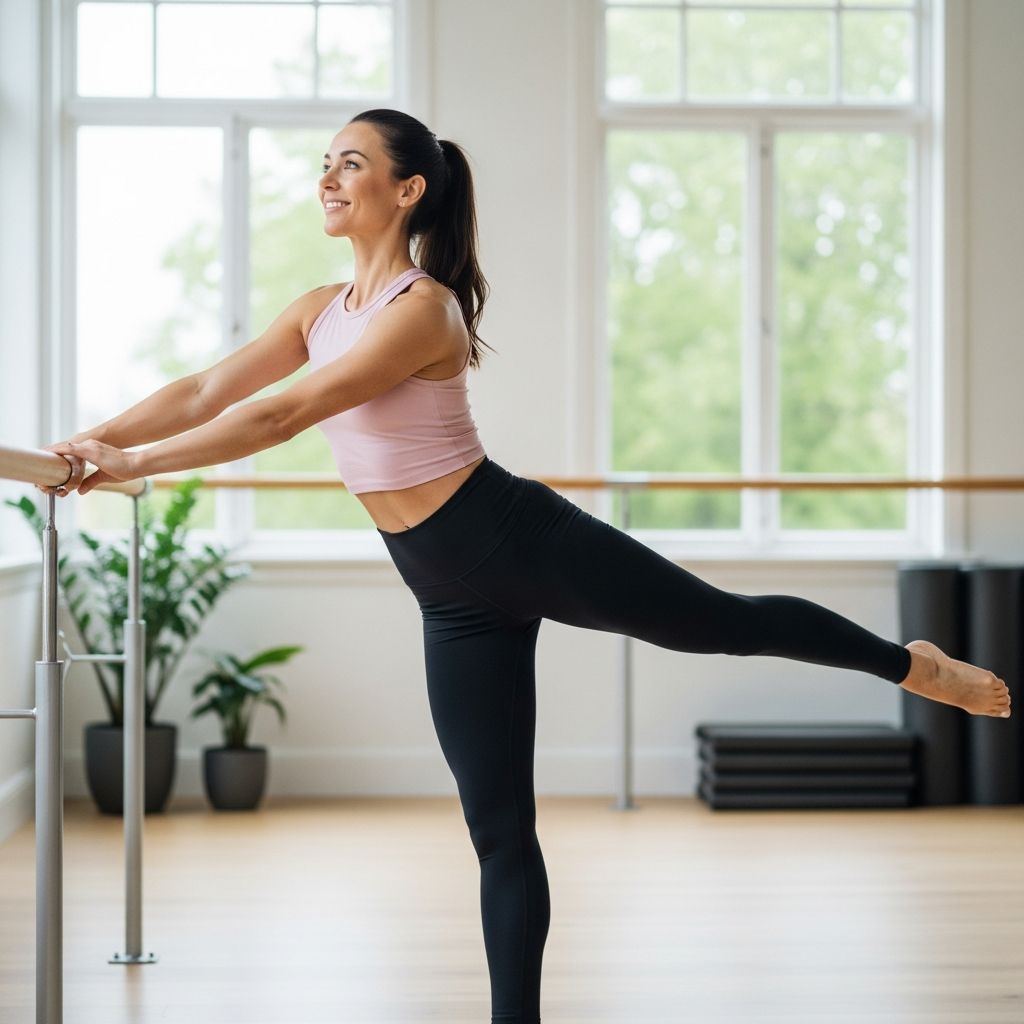
Barre fitness has emerged as an exceptionally well-suited workout modality for mothers navigating postpartum recovery. The methodology combines elements of ballet, Pilates, and traditional strength training, utilizing small, intentional movements performed at the ballet barre. This approach fundamentally differs from conventional exercise programs and offers specific advantages for the postpartum body.
The controlled nature of barre movements allows mothers to engage their muscles with precision while minimizing joint stress. Unlike running, jumping, or high-impact aerobic activities, barre protects recovering joints and connective tissues that may still be adjusting to hormonal changes and the physical demands of pregnancy and childbirth. The isometric and endurance-focused nature of the exercises builds muscular strength without overwhelming a body that is still in the recovery phase.
Low-Impact Protection for Sensitive Areas
One of the paramount considerations for postpartum exercise is protecting areas of the body that experienced trauma or significant strain during pregnancy and childbirth. Barre’s emphasis on controlled, small-range movements eliminates the joint stress associated with higher-impact activities. This protection proves especially important for the lower back, hips, knees, and ankles, which absorbed additional load during pregnancy and require time to fully stabilize.
The low-impact nature also becomes crucial for women who experienced significant perineal tearing, cesarean delivery, or other complications requiring extended recovery. These mothers can participate in structured exercise without risking re-injury to healing tissues.
Targeted Core Restoration
The core musculature—encompassing the deep abdominal muscles, obliques, transverse abdominis, and deeper stabilizing structures—bears the brunt of pregnancy’s physical changes. During pregnancy, these muscles stretch and separate to accommodate the growing uterus, and the fascial connections between abdominal muscles may experience diastasis recti, a separation that affects many postpartum women. Rebuilding core stability cannot be rushed; it requires methodical, progressive engagement of these deep structures.
Barre workouts inherently prioritize core engagement through sustained isometric holds and small, controlled pulses that activate deep stabilizing muscles without creating excessive intra-abdominal pressure. Mothers can safely restore functional core strength while gradually improving their ability to support their changing bodies as they adapt to the physical demands of motherhood—carrying their baby, feeding, and managing household responsibilities.
Pelvic Floor Recovery and Function
The pelvic floor represents one of the most significantly affected areas during pregnancy and childbirth, yet it remains one of the most overlooked aspects of postpartum recovery. These muscles support pelvic organs, contribute to continence, and play important roles in sexual function. Many postpartum women experience weakness in this region, leading to urinary leakage, reduced stability, and diminished quality of life.
Barre classes specifically incorporate movements designed to engage and strengthen the pelvic floor through mindful muscle activation and controlled breathing patterns. As instructors cue pelvic floor engagement during various exercises, mothers develop greater awareness of and control over these muscles. This targeted work accelerates recovery and helps prevent long-term complications such as pelvic organ prolapse.
Physical Benefits Beyond Core and Pelvic Strength
Postural Realignment and Pain Reduction
Pregnancy fundamentally alters a woman’s posture as her center of gravity shifts forward and her spine curves to accommodate the additional weight. After delivery, many mothers continue to display postural deviations because they spend hours in flexed positions while breastfeeding, bottle-feeding, changing diapers, and holding their infants. Over time, these postural patterns can become habitual, contributing to chronic back pain, neck tension, and shoulder discomfort.
Barre’s foundational emphasis on alignment, posture correction, and spinal awareness directly addresses these challenges. Through consistent attention to proper positioning at the barre, mothers gradually restore neutral spine alignment and strengthen the postural muscles—including the latissimus dorsi, rhomboids, and thoracic extensors—that support upright carriage. As postural awareness increases, many mothers report significant reduction in the back and neck pain that had become normalized during the demands of early motherhood.
Enhanced Flexibility and Mobility
Pregnancy and postpartum periods often leave mothers feeling stiff and immobile. The ligament-relaxing hormone relaxin, which peaks during pregnancy and remains elevated during breastfeeding, gradually diminishes, but this transition leaves muscles that have compensated for months in shortened, tight states. Additionally, the repetitive positioning required by childcare activities further restricts functional movement patterns.
Barre classes incorporate dedicated stretching and mobility work that gradually restores the range of motion necessary for comfortable daily functioning. Mothers regain the ability to move freely, bend without discomfort, and engage in activities like playing with their children or returning to recreational pursuits with greater ease and confidence.
Comprehensive Strength Development Across All Major Muscle Groups
While barre emphasizes core and pelvic floor work, the methodology engages the entire body through targeted sequences. Legs, glutes, arms, shoulders, and back all receive systematic strengthening through isometric holds and high-repetition pulses. This comprehensive approach builds the functional strength mothers need for the physical demands of infant and toddler care—lifting, carrying, bending, and sustained postural holds.
Mental Health and Emotional Wellness Benefits
The postpartum period presents significant mental health challenges for many mothers, with postpartum depression and anxiety affecting a substantial portion of the population. While barre cannot replace professional mental health treatment, the practice offers meaningful psychological benefits that contribute to overall wellbeing.
The focused, meditative quality of barre classes creates a mental respite from the constant demands of new motherhood. As mothers concentrate on precise movement, breath control, and body awareness, their minds naturally quiet and shift away from the anxiety and worry that often characterize early parenting. The music, movement, and supportive class environment create a sensory experience that promotes calm and grounding.
Additionally, the visible progress that accompanies consistent barre practice—increasing strength, improving endurance, and regaining bodily confidence—significantly boosts psychological wellbeing. Many mothers experience renewed self-efficacy and a sense of reclaiming their bodies as their own, rather than primarily as vessels for nurturing others.
The community aspect of barre classes deserves particular emphasis. Exercising alongside other postpartum mothers creates opportunities for social connection, shared experience, and mutual support—factors that research identifies as protective against postpartum depression and anxiety.
Building a Sustainable Postpartum Barre Practice
Appropriate Timing for Starting Exercise
The first question new mothers ask is when they can safely return to exercise. This answer depends significantly on individual circumstances. Mothers who experienced straightforward vaginal deliveries often receive clearance to begin gentle movement within two to four weeks postpartum, though high-intensity exercise typically requires six weeks of recovery. Those who experienced cesarean delivery, significant tearing, or other complications should wait for their healthcare provider’s explicit approval before beginning structured exercise programs.
Once cleared to exercise, beginning with modified, gentle barre classes specifically designed for early postpartum recovery ensures safety and builds appropriate foundations for progressive strengthening.
Progression and Consistency as Core Principles
Postpartum recovery progresses most effectively through consistent, moderate-intensity activity rather than sporadic, intense efforts. New mothers benefit from establishing a sustainable routine that fits realistically into the demands of early parenthood. Even brief barre sessions—twenty to thirty minutes performed three times weekly—produce meaningful results when maintained consistently over several months.
Progressive overload should occur gradually. Rather than increasing the number of repetitions dramatically or moving to more advanced modifications all at once, mothers should allow their bodies to adapt gradually to increasing demands. Many instructors recommend spending at least four to six weeks at each progression level before advancing further.
Modifications and Adaptations Throughout Recovery
Barre’s fundamental strength lies in its adaptability. Every movement can be modified to accommodate different fitness levels and recovery stages. A new mother who experiences heaviness in her pelvic floor or increased leakage should reduce the intensity of her practice, focus on breathing and awareness rather than strength development, and communicate with her instructor about appropriate modifications.
Similarly, mothers with diastasis recti should avoid exercises that create excessive intra-abdominal pressure and instead focus on deep core activation that supports the healing fascia. As recovery progresses, more challenging variations can be incorporated gradually.
Practical Considerations for New Mothers Starting Barre
| Consideration | Recommendation |
|---|---|
| Medical Clearance | Obtain clearance from your healthcare provider before beginning any postpartum exercise program |
| Class Selection | Choose classes specifically designed for postpartum recovery rather than general barre classes |
| Instructor Communication | Inform your instructor about your postpartum status and any specific concerns or complications |
| Hydration | Drink adequate water before, during, and after class, especially if breastfeeding |
| Pelvic Floor Awareness | Learn to recognize and modify exercises that create pelvic floor strain or increased leakage |
| Schedule Flexibility | Establish realistic expectations given the unpredictable nature of newborn care schedules |
Creating a Sustainable Routine
New mothers often struggle to prioritize self-care amid the demands of infant care. Establishing realistic expectations about exercise frequency and duration proves essential for long-term adherence. Many mothers find that committing to two or three barre classes weekly—rather than an overly ambitious schedule—proves more sustainable than attempting five-days-a-week programs that inevitably collapse when life circumstances change.
Whether attending in-studio classes or utilizing online barre programs designed for postpartum recovery, mothers should choose formats that align with their schedules and preferences. Some thrive with the community and accountability of in-person classes, while others appreciate the flexibility of home-based practice.
Frequently Asked Questions About Postpartum Barre
Q: How soon after childbirth can I start barre classes?
A: The timing depends on your individual delivery experience and your healthcare provider’s recommendation. Most mothers who had straightforward vaginal deliveries receive clearance for gentle movement around four to six weeks postpartum. Those who experienced cesarean delivery, significant tearing, or other complications should wait for specific medical clearance, which may extend to eight weeks or longer. Always consult your doctor before beginning any postpartum exercise program.
Q: Can I do barre if I’m experiencing pelvic floor issues like urinary leakage?
A: Many postpartum mothers experience temporary pelvic floor weakness and incontinence. Barre can actually help address these issues through specific pelvic floor engagement work. However, if you’re experiencing significant leakage, inform your instructor so they can suggest modifications. Some movements or intensities may need to be reduced initially while your pelvic floor strengthens. If issues persist beyond a few months, consult a pelvic floor physical therapist.
Q: Will barre help with diastasis recti?
A: Barre can support diastasis recti recovery through controlled core engagement that activates deep stabilizing muscles without creating excessive pressure on the healing fascia. The key is avoiding exercises that dome or bulge the abdominal wall and instead focusing on gentle, sustained core activation. Work with an instructor experienced in postpartum recovery who understands how to modify movements appropriately.
Q: How often should I do barre to see results?
A: Consistency matters more than frequency. Two to three barre sessions weekly, maintained consistently over several months, produces meaningful strength gains and postural improvements. Beginning with this frequency prevents overtraining while establishing sustainable habits. As your fitness improves, you can gradually increase frequency if desired.
Q: Can I do barre while breastfeeding?
A: Yes, barre is safe while breastfeeding. Ensure you stay well-hydrated before and after class, as exercise can increase fluid losses. Wear a supportive sports bra and avoid movements that create chest discomfort. Some mothers prefer nursing or pumping before class to be more comfortable during the workout.
Q: What should I avoid in postpartum barre classes?
A: Avoid exercises that require lying flat on your back for extended periods, as this can restrict blood circulation. Also skip high-impact movements, heavy weights, and intense core work during very early postpartum recovery. Modifications should be made for any movements that cause pain, heaviness in the pelvic floor, or excessive abdominal pressure or bulging. Communicate with your instructor about your comfort level throughout class.
Moving Forward With Confidence
Postpartum barre represents far more than a fitness trend; it offers a scientifically-informed, practically-designed approach to supporting mothers through one of life’s most physically demanding transitions. Through low-impact movements, targeted strengthening, and compassionate community, barre helps new mothers rebuild the physical foundation their bodies require while simultaneously nurturing mental health and emotional resilience.
The path to postpartum recovery is not a race toward returning to pre-pregnancy fitness. Rather, it represents an opportunity to rebuild strength mindfully, address underlying weaknesses that may have developed during pregnancy, and establish sustainable wellness practices that support mothers through the ongoing demands of parenthood. With appropriate medical clearance, consistent practice, and realistic expectations, barre provides an accessible gateway to reclaiming strength, confidence, and wellbeing during this transformative life stage.
References
- Reclaiming Strength: The Benefits of Barre for Postpartum Mothers — Physique 57. 2024. https://physique57.com/blog/reclaiming-strength-the-benefits-of-barre-for-postpartum-mothers/
- How Pure Barre Can Support You During Pregnancy & Postpartum — Pure Barre. 2024. https://blog.purebarre.com/pregnancy-postpartum-pure-barre
- Why Reina Ray Barre Classes Are a Game-Changer for Pregnant and Postpartum Women — Reina Ray Fitness. 2024. https://www.reinarayfitness.ca/blog/why-reina-ray-barre-classes-are-a-game-changer-for-pregnant-and-postpartum-women
Similar Articles






Read full bio of medha deb