Blended Family Harmony: Strategies for Conflict Resolution
Master practical strategies to navigate conflicts and foster unity in blended families for lasting peace and stronger bonds.
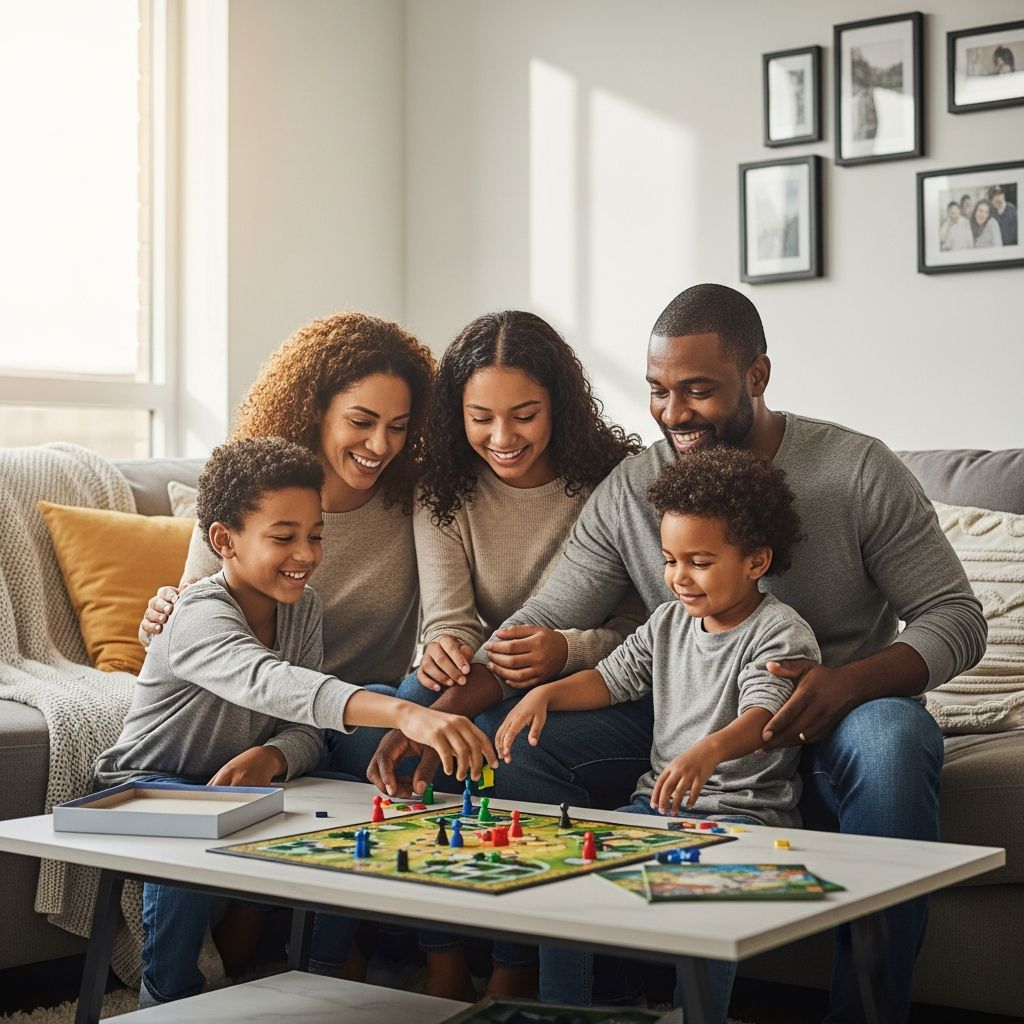
Blended families bring together unique dynamics that can lead to rewarding connections but also frequent tensions. With stepparents, stepchildren, and varying backgrounds, disagreements often arise over roles, rules, and loyalties. This guide explores practical approaches to handle these challenges, drawing on expert insights to promote understanding, respect, and cooperation among all members.
Understanding the Roots of Tension in Modern Families
Conflicts in blended families frequently stem from loyalty binds, where children feel pulled between biological parents and new stepparents. These emotional pulls can manifest as resistance, withdrawal, or outbursts, complicating daily interactions. Research shows that such families often face higher stress levels due to rapid role changes and differing parenting styles.
Financial disagreements, discipline approaches, and even household routines add layers of complexity. For instance, stepparents may struggle with authority, leading to resentment if they overstep or feel sidelined. Acknowledging these pain points is the first step toward resolution, as it fosters empathy rather than blame.
- Identify common triggers like scheduling conflicts or perceived favoritism.
- Recognize that adjustment periods can last years, requiring patience from adults.
- Note how children process grief from previous family structures, influencing their receptivity to new bonds.
Building a Foundation of Open Dialogue
Effective communication serves as the cornerstone for smoothing over disputes. Encourage family members to voice concerns without fear of judgment, using structured formats like weekly check-ins. Active listening—paraphrasing what others say—helps validate feelings and reduces misunderstandings.
Implement “I” statements to express needs personally, such as “I feel overwhelmed when chores aren’t shared evenly,” instead of accusatory language. This technique de-escalates arguments and models healthy expression for children. Regular family discussions about successes and issues create a safe space, strengthening collective problem-solving skills.
| Communication Pitfall | Healthy Alternative |
|---|---|
| Blame: “You never help!” | “I” Statement: “I need support with dinner prep.” |
| Interrupting | Active Listening: Repeat back key points. |
| Avoiding Topics | Scheduled Meetings: Dedicate time weekly. |
Defining Roles and Expectations Clearly
Ambiguity in roles often fuels friction, particularly for stepparents navigating their place. Establish guidelines where biological parents handle initial discipline, allowing stepparents to focus on relationship-building through support and fun activities. This phased approach builds trust organically.
Collaborate with your partner privately to align on household rules, then present them unitedly to children. Flexibility is key—adjust rules based on age and input to promote buy-in. Clear boundaries around privacy, finances, and visitation prevent escalations.
- Stepparent as ally: Offer guidance without commanding.
- Biological parent leads corrections initially.
- Joint decisions on major issues like curfews or screen time.
Mastering Constructive Conflict Management
When tensions rise, adopt a solution-oriented mindset rather than winning arguments. Take brief timeouts to regulate emotions, agreeing beforehand on a 24-hour no-criticism rule during high-stress periods. Practice compromise by outlining shared goals, expressing underlying emotions, and brainstorming mutually beneficial solutions.
Model calm responses: Stay focused on behaviors, not character attacks. For loyalty issues, reassure children that loving a stepparent doesn’t diminish ties to biological ones. Teaching these skills equips kids for lifelong resilience.
Cultivating Patience and Celebrating Progress
Blended family integration demands time—often 4-7 years for full cohesion. Set realistic milestones, like shared meals without arguments, and acknowledge them publicly. Flexibility helps adapt to setbacks, such as visitation changes or teen rebellion.
Preserve individual connections by supporting biological parent-child time and avoiding disparagement of ex-partners. One-on-one outings with stepchildren foster personal bonds, easing group dynamics.
Addressing Specialized Challenges
Financial Harmony
Money matters can ignite disputes; create transparent budgets distinguishing shared and separate expenses. Involve older children in age-appropriate discussions to demystify finances.
Discipline Dynamics
Stepparents should defer major discipline to biological parents to avoid alienation. Consistent enforcement across homes provides stability.
Emotional Support for Children
Validate kids’ mixed feelings through private talks and routines. Inclusion in decisions boosts their sense of belonging.
When to Seek External Guidance
If conflicts persist, professional counseling offers neutral tools tailored to your family. Therapists mediate loyalty binds and refine communication, with family sessions promoting empathy. Mediation aids parenting plans, clarifying responsibilities. Early intervention prevents entrenched resentments.
Frequently Asked Questions (FAQs)
Q: How long does it take for a blended family to gel?
A: Typically 4-7 years, depending on ages and prior traumas; focus on incremental wins.
Q: Should stepparents discipline stepchildren?
A: Initially no—let biological parents lead to build trust first.
Q: How can we handle loyalty conflicts in kids?
A: Validate feelings and affirm love isn’t zero-sum; therapy helps unpack emotions.
Q: What if my partner and I disagree on rules?
A: Discuss privately, present united front; compromise via family meetings.
Q: Are family meetings effective?
A: Yes, they clarify expectations and include voices, reducing surprises.
Long-Term Strategies for Enduring Unity
Sustain harmony through ongoing rituals like game nights or traditions blending old and new. Monitor progress quarterly, adjusting as teens mature or circumstances shift. Prioritize couple time to fortify the parental foundation, as a united front trickles down positively.
Empower children with conflict skills via role-playing scenarios. Track emotional health indicators, like withdrawal, prompting timely support. Over time, these habits transform challenges into strengths, creating a resilient family tapestry.
References
- Managing Conflict in Blended Families — The Gottman Institute. 2023-05-15. https://www.gottman.com/blog/managing-conflict-in-blended-families/
- Achieving Harmony in a Blended Family: Tips — Parker Coles Curtis. 2024-02-10. https://parkercolescurtis.com.au/blog/achieving-harmony-in-a-blended-family-tips/
- How Do We Navigate the Challenges of Blended Families? — Dr. Bolgar. 2023-11-20. https://drbolgar.com/how-do-we-navigate-the-challenges-of-blended-families/
- Blended Family and Step-Parenting Tips — HelpGuide.org. 2024-08-05. https://www.helpguide.org/family/parenting/step-parenting-blended-families
- Dealing with Conflict as a Blended Family — The Drake Law Firm, PC. 2023-09-12. https://thedrakelawfirm.com/dealing-with-conflict-as-a-blended-family/
Similar Articles








Read full bio of Sneha Tete