Breaking In a Kid’s Baseball Glove the Right Way
Learn safe, effective techniques to soften, shape, and care for your child’s baseball glove without damaging the leather.
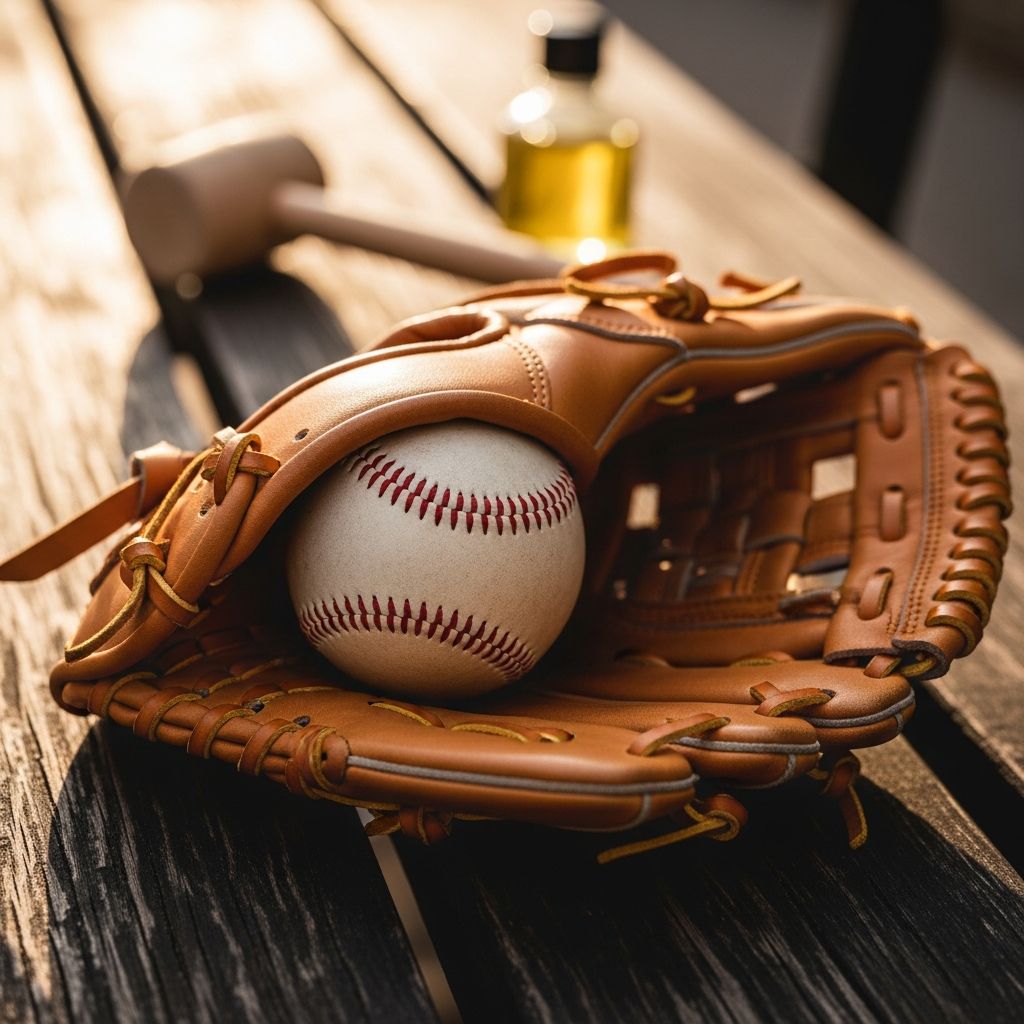
Nothing makes a young ballplayer more excited than a brand-new glove. But fresh out of the wrapper, that glove is usually stiff, awkward, and hard to close. This guide walks parents and young athletes through safe, effective ways to break in a kid’s baseball glove, build a reliable pocket, and keep the mitt in top shape for many seasons.
Why New Gloves Are So Stiff
Youth gloves, like adult models, are made from leather that has been treated to be durable and protective. That treatment, combined with firm padding and tight laces, makes a new glove feel rigid at first. Over time, the leather fibers stretch and relax as they are used, creating a custom fit around your child’s hand and the ball.
Baseball manufacturers and coaches consistently emphasize that the safest break-in approach is gradual mechanical use and light conditioning, not extreme heat or soaking in liquids.
Understanding the Parts of the Glove
Knowing basic glove anatomy helps you work on the right areas when breaking it in:
- Pocket – The curved area where the ball should settle and stay secured.
- Web – The leather between thumb and fingers that helps trap and control the ball.
- Heel – The thick padded strip at the base of the glove; too much bending here can create a floppy glove.
- Finger stalls – The individual leather tunnels where your child’s fingers go.
- Laces – The leather strings that hold the glove together; they stretch slightly with use.
The aim of breaking in a glove is to soften the pocket and hinge points while keeping the heel and overall structure supportive.
Step-by-Step: The Safest Break-In Method
The method below follows the same basic principles endorsed by major glove makers: use, light shaping, and minimal product.
Step 1: Set Up a Basic Pocket
Before your child even throws a ball, give the glove a basic pocket shape.
- Place a baseball or softball directly in the center of where you want the pocket.
- Close the glove so the thumb and pinky move toward each other around the ball.
- Wrap it snugly with wide rubber bands, elastic cord, or a soft belt.
- Leave it in a cool, dry spot for 24–48 hours, then unwrap and repeat if needed.
This simple step starts to teach the leather which shape you want without using heat or harsh chemicals.
Step 2: Play Catch (The Gold Standard)
Catch is still the most recommended and effective way to break in a glove.
- Have your child wear the glove and play gentle catch for 10–15 minutes at a time.
- Encourage catching the ball in the pocket, not in the palm or off the web.
- After each session, open and close the glove 20–30 times to reinforce the closing pattern.
As the leather flexes repeatedly where the ball hits, the glove naturally molds to your child’s hand and catching style.
Step 3: Use a Mallet or Ball to Soften the Pocket
To speed up softening without resorting to risky shortcuts, many glove technicians use a wooden mallet or a baseball as a hammer.
- Place the glove on a soft surface like a folded towel.
- Strike the pocket repeatedly with a glove mallet or an old baseball.
- Work lightly along the web and the hinge area between thumb and fingers.
- Avoid repeatedly pounding the heel (the thick base) so you don’t over-loosen support.
Alternate between pounding and then putting the glove on your child’s hand so they close it several times. This helps the leather remember how it should fold.
Step 4: Add a Small Amount of Conditioner (If Needed)
Most major glove brands advise using only a light application of glove oil or balm, and only products made specifically for leather gloves.
- Use a tiny amount on a clean cloth—think pea-sized, not a handful.
- Rub gently into the pocket, web, and along the hinges where the glove closes.
- Wipe off any extra to prevent the leather from becoming heavy or gummy.
- Let the glove air dry in a cool, dry place—never in direct sun or near a heater.
Conditioner helps keep fibers from drying out and cracking, especially if you used a bit of warm water or the glove gets damp in practice.
What NOT to Do When Breaking In a Glove
Parents often hear dramatic shortcuts that can permanently weaken a glove. Sporting goods manufacturers consistently warn against these methods.
| Bad Idea | Why It’s Risky | Better Alternative |
|---|---|---|
| Soaking the glove in water or a bathtub | Over-saturates leather, leading to stiffness or cracking when it dries. | Lightly dampen only if using a controlled hot-water method, and dry properly. |
| Baking the glove in an oven or using a hair dryer | High heat breaks down leather fibers and padding glue. | Dry at room temperature away from direct sunlight. |
| Microwaving the glove | Uneven heating can warp padding and damage laces. | Use a mallet and structured playing sessions instead. |
| Using motor oil, petroleum jelly, or cooking oils | Can rot laces, attract dirt, and create a heavy, greasy glove. | Use only glove-specific conditioners in very small amounts. |
| Folding the glove completely in half at the heel | Creates a loose, floppy mitt that struggles to close cleanly. | Encourage a thumb-to-pinky close focused on shaping the pocket. |
Fast-Track Options: When You Need It Ready for Opening Day
Sometimes the season is starting and there isn’t much time. In that case, a faster—but still safe—approach can help.
Using Store Steaming Services
Many sporting goods stores offer glove steaming, where a technician warms and conditions the leather in a controlled way, then shapes it with a mallet.
- Steaming uses moisture and heat in limited, supervised amounts.
- The glove is then repeatedly pounded and shaped by hand.
- This can jump-start break-in, but the glove still needs regular play afterward.
Ask the technician to shape the glove for your child’s position (infield vs. outfield) and explain how your child prefers to close the glove, if they already have a style.
Controlled Warm-Water Method (Advanced)
Some glove experts demonstrate carefully pouring warm (not boiling) water over a new glove, then aggressively working the leather while it is pliable.
- This method requires careful temperature control and proper drying.
- It can damage cheaper or synthetic-leather gloves if done poorly.
- It is best left to experienced adults or professional technicians.
If you are not confident with leather care, stick to catch, wrapping, mallet work, and light conditioning instead.
Position-Specific Break-In Tips for Kids
Different positions ask the glove to do slightly different jobs. Shape the glove to match how it will be used most.
For Young Infielders
- A slightly shallower pocket helps with quick transfers to the throwing hand.
- Focus mallet work on the pocket and the hinge so the glove opens and closes fast.
- Encourage your child to practice fielding grounders, working the ball from glove to throwing hand.
For Outfielders
- A deeper pocket helps secure fly balls and line drives.
- Shape the glove so the ball settles lower in the pocket instead of bouncing off the heel.
- Practice catching balls above the head and on the run to reinforce that deeper catch point.
For Catchers and First Basemen
Specialty mitts for catchers and first basemen come more pre-shaped but still benefit from use.
- Use lots of repetition catching throws or soft tosses, focusing on the center of the mitt.
- Because these mitts absorb repeated high-speed impacts, avoid over-softening the heel or web.
Choosing a Kid-Friendly Glove Before Break-In
A properly sized and weight-appropriate glove is easier to break in and safer to use. Youth sports health experts emphasize fitting gear to the child’s size and strength to reduce injury risk.
- Size: Younger kids (5–8) typically use smaller, lighter gloves than older players.
- Weight: If the glove feels heavy, your child may compensate with poor throwing and catching mechanics.
- Closure test: Your child should be able to close the glove at least halfway around a ball, even when new.
Starting with a glove your child can physically control reduces the amount of extreme break-in needed and keeps the emphasis on skill development instead of fighting the equipment.
Daily Care to Keep the Glove Broken In
Once the glove feels good, a few simple habits will keep it game-ready.
- After each practice or game, remove dirt and moisture with a dry cloth.
- Store the glove with a ball in the pocket and the glove loosely wrapped.
- Do not leave the glove in a hot car trunk or damp equipment bag overnight.
- Reapply a tiny amount of conditioner only when the leather starts feeling dry—not on a fixed schedule.
These steps help maintain the shape you and your child worked hard to create.
Making Break-In a Fun Learning Experience
Breaking in a glove does more than prepare equipment; it becomes a small ritual of ownership and responsibility for your child.
- Let your child help with safe steps like wrapping the glove and opening/closing it.
- Turn short catch sessions into mini-challenges: count clean catches in the pocket.
- Talk about how pros also spend time shaping and caring for their gloves.
This process teaches patience, care for belongings, and basic maintenance skills that carry over into other areas of life and sport.
Frequently Asked Questions (FAQs)
Q: How long does it usually take to break in a kid’s baseball glove?
For most youth gloves, expect 1–3 weeks of regular catch and basic shaping before it feels comfortable. Faster methods can shorten that window but should still be followed by consistent use.
Q: How can I tell when the glove is properly broken in?
The glove is ready when your child can close it easily around a ball, catches stay mostly in the pocket, and the glove opens and closes smoothly without feeling floppy or weak at the heel.
Q: Is glove oil required, or can we skip it?
You can often skip oil completely for youth gloves if you play a lot of catch. If the leather starts to feel dry or shows small surface cracks, a very light application of glove-specific conditioner can help, but more is not better.
Q: My child’s glove got soaked in the rain. What should we do?
Pat it dry with a towel, place a ball in the pocket, and let it air dry at room temperature away from heaters or direct sun. After it dries, play catch and, if the leather feels stiff, use a small amount of conditioner to restore flexibility.
Q: Should my child sleep with the glove under their mattress?
The old mattress trick can flatten the glove and bend the heel in ways that hurt performance. It is safer and more effective to wrap the glove with a ball in the pocket and rely on regular catch and light mallet work instead.
References
- How to Break In Your Glove the Rawlings Way — Rawlings Sporting Goods. 2023-03-01. https://www.rawlings.com/how-to-break-in-your-glove.html
- How to Break in a Baseball Glove (The Right Way) — The Hitting Vault. 2022-05-10. https://thehittingvault.com/how-to-break-in-a-baseball-glove/
- Baseball and Softball — Nationwide Children’s Hospital. 2021-04-15. https://www.nationwidechildrens.org/specialties/sports-medicine/sports/baseball-and-softball
- How to Break In a Glove According to Rawlings (Video) — Rawlings / YouTube. 2020-07-14. https://www.youtube.com/watch?v=_uF4KiJOt4U
- Complete Guide to Breaking in a Baseball Glove (Video) — YouGoProBaseball / YouTube. 2018-03-22. https://www.youtube.com/watch?v=gCkmGFrv6Uo
- Tips on How to Break in Your New Baseball Glove — Cisco Athletic. 2019-06-18. https://www.ciscoathletic.com/blog/tips-how-break-your-new-baseball-glove/
Similar Articles







Read full bio of Sneha Tete