Breastfeeding Emoji: Normalizing Nurture in Digital Age
Discover how the new breastfeeding emoji promotes inclusivity, challenges taboos, and supports nursing parents worldwide.
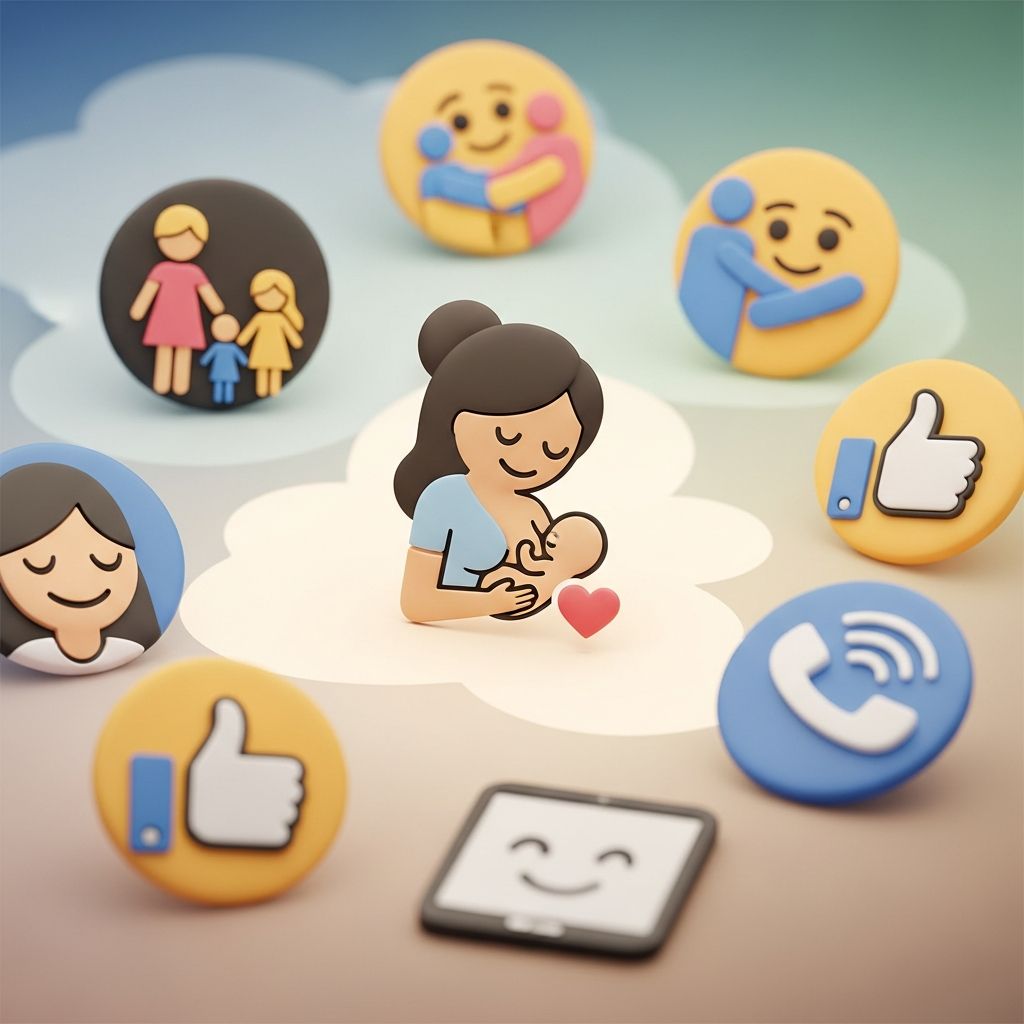
The introduction of the breastfeeding emoji marks a significant step toward representing one of humanity’s most natural acts in our daily digital conversations. Proposed by registered nurse Rachel Lee, this symbol depicts a person cradling a baby at the breast, complementing existing family and feeding icons like the baby bottle. It addresses a long-standing omission in emoji sets, reflecting breastfeeding’s prevalence across cultures and history.
Origins of the Breastfeeding Emoji Proposal
Rachel Lee, working as a neonatal nurse at University College London Hospital, recognized the need for this emoji during her interactions with new parents. She submitted a detailed proposal to the Unicode Consortium, the body standardizing global emoji usage. Lee’s design shows a nurturing figure holding an infant in a feeding position, emphasizing comfort and bonding over explicitness.
In her submission, Lee highlighted practical scenarios: parents texting at odd hours, like 3 a.m., could simply use the emoji to convey “nursing now” without typing lengthy explanations. This convenience is crucial when one hand is occupied, making quick communication essential.
- Key motivations from the proposal:
- Complement to baby bottle emoji, avoiding substitution bias.
- Representation of a universal parenting practice.
- High demand, ranking in Emojipedia’s top 30 requested emojis of 2016.
Navigating Unicode Approval Process
The Unicode Consortium reviews thousands of proposals annually during meetings, such as the one in November 2016 where the breastfeeding emoji was considered alongside items like mermaids and climbers. Approval requires demonstrating widespread utility, technical feasibility, and cultural sensitivity. Once approved, platforms like Apple, Google, and Android develop their versions, often leading to a rollout 6-12 months later.
By mid-2017, the emoji became available on major devices, including Apple devices by June 30th. This timeline underscores the collaborative effort: Unicode standardizes, but implementation varies by vendor, ensuring diverse artistic interpretations while maintaining recognizability.
| Stage | Timeline | Key Milestone |
|---|---|---|
| Proposal Submission | 2016 | Rachel Lee’s nurse-inspired design |
| Unicode Review | Nov 2016 | Considered with other icons |
| Approval & Rollout | 2017 | Available on iOS June 30 |
Cultural Significance and Stigma Reduction
Breastfeeding remains controversial in many societies despite its biological normalcy. Public nursing often sparks debates over exposure, privacy, and sexuality, with breasts frequently sexualized rather than seen as nourishing tools. The emoji challenges this by presenting nursing as everyday, non-taboo activity, much like eating or sleeping icons.
According to the Centers for Disease Control and Prevention (CDC), about 83% of U.S. infants start breastfeeding, with 25% exclusively breastfed at 6 months. Globally, the World Health Organization (WHO) recommends exclusive breastfeeding for the first 6 months. Yet, digital symbols lagged, implying formula feeding as default via the bottle emoji.[web:1][web:2]
Lee argued that omitting breastfeeding creates a Unicode gap, akin to lacking a bike emoji next to a car—both transport, but distinct. This symbol normalizes the act, aiding conversations in workplaces, families, and social media where parents advocate for rights.
Inclusivity for Diverse Parenting Experiences
Emojis have evolved toward inclusivity: skin tones since 2015, same-sex couples, single parents, and professional women. The breastfeeding emoji extends this, applicable to cisgender women, transgender men, non-binary individuals, and adoptive parents inducing lactation. It avoids gender-specific labels, using a neutral figure.
- Diverse users:
- Transgender men who breastfeed.
- Non-binary parents nurturing infants.
- Grandparents or partners supporting feeding.
This broadens representation, fostering empathy in texts like “Feeding the little one 🍼” now upgraded to the accurate nursing symbol.
Practical Applications in Parenting Life
Imagine midnight cluster feeding: a quick emoji tells partners “I’m nursing,” freeing mental energy. In group chats, it signals unavailability politely. Socially, it sparks awareness—sharing nursing stories becomes visually immediate.
Statistics from the CDC show 3 million U.S. mothers breastfeed simultaneously, often multitasking via phone. The emoji streamlines this, reducing explanation needs amid sleep deprivation.[web:1]
Global Perspectives on Nursing Representation
Breastfeeding prevalence varies: WHO data indicates 40% global exclusive breastfeeding rates at 6 months, higher in some Asian/African regions. Culturally, openness differs—Scandinavian countries embrace public nursing, while U.S. laws protect it but societal discomfort persists.[web:2]
The emoji bridges gaps, usable worldwide. In the Philippines, for instance, high nursing rates align with global demand for such symbols.
Design Variations Across Platforms
Post-approval, vendors stylized uniquely: Apple’s version emphasizes tenderness, Google’s adds warmth, Samsung’s simplifies lines. This diversity enriches expression while core elements—cradled baby, exposed breast—remain consistent for instant recognition.
Future updates may refine based on feedback, ensuring accessibility and sensitivity.
Impact on Advocacy and Awareness
Emojis influence culture subtly; their absence can marginalize. This addition coincides with movements like #NormalizeBreastfeeding on social media. Parents report easier discussions post-launch, from pumping at work to latching challenges.
It complements health campaigns: WHO’s breastfeeding initiatives gain visual tools for education.
Challenges and Future Emoji Needs
Despite progress, controversies linger—some view the design as too explicit. Unicode balances by avoiding graphic detail. Future proposals might include pumping, tandem nursing, or diverse skin tones explicitly for feeding.
Parenting emojis expand: pregnant people, cribs, but gaps remain for extended family dynamics.
Frequently Asked Questions (FAQs)
What inspired the breastfeeding emoji?
A neonatal nurse, Rachel Lee, proposed it to Unicode after helping parents, noting the baby bottle’s dominance.
When was the breastfeeding emoji released?
It appeared on Apple devices June 30, 2017, after 2016 approval.
Is the emoji inclusive of all parents?
Yes, its neutral design suits women, trans men, non-binary people.
Why is this emoji important for normalization?
It counters taboos, making nursing as casual as other daily acts in texts.
Can it be used for bottle feeding too?
No, it’s specific; baby bottle exists separately to distinguish methods.
References
- Breastfeeding and Time Emoji Proposal — Unicode Consortium via Emojipedia. 2016-11-01. https://emojipedia.org/proposals/breastfeeding-time
- Infant and Young Child Feeding — World Health Organization. 2023-02-14. https://www.who.int/health-topics/breastfeeding#tab=tab_1
- Breastfeeding Report Card — Centers for Disease Control and Prevention. 2024-08-01. https://www.cdc.gov/breastfeeding/data/report-card/index.htm
- Emoji 13.1 Proposal: Breastfeeding and Clock Face — Unicode Technical Committee. 2016. https://unicode.org/emoji/emoji-submissions.html
- Breastfeeding Emoji Design Variations — Emojipedia. 2017-06-30. https://emojipedia.org/breast-feeding
Similar Articles




Read full bio of Sneha Tete