Building Accountability in Kids: End Excuses, Embrace Ownership
Equip your children with lifelong skills by shifting from blame and excuses to genuine responsibility and personal ownership.
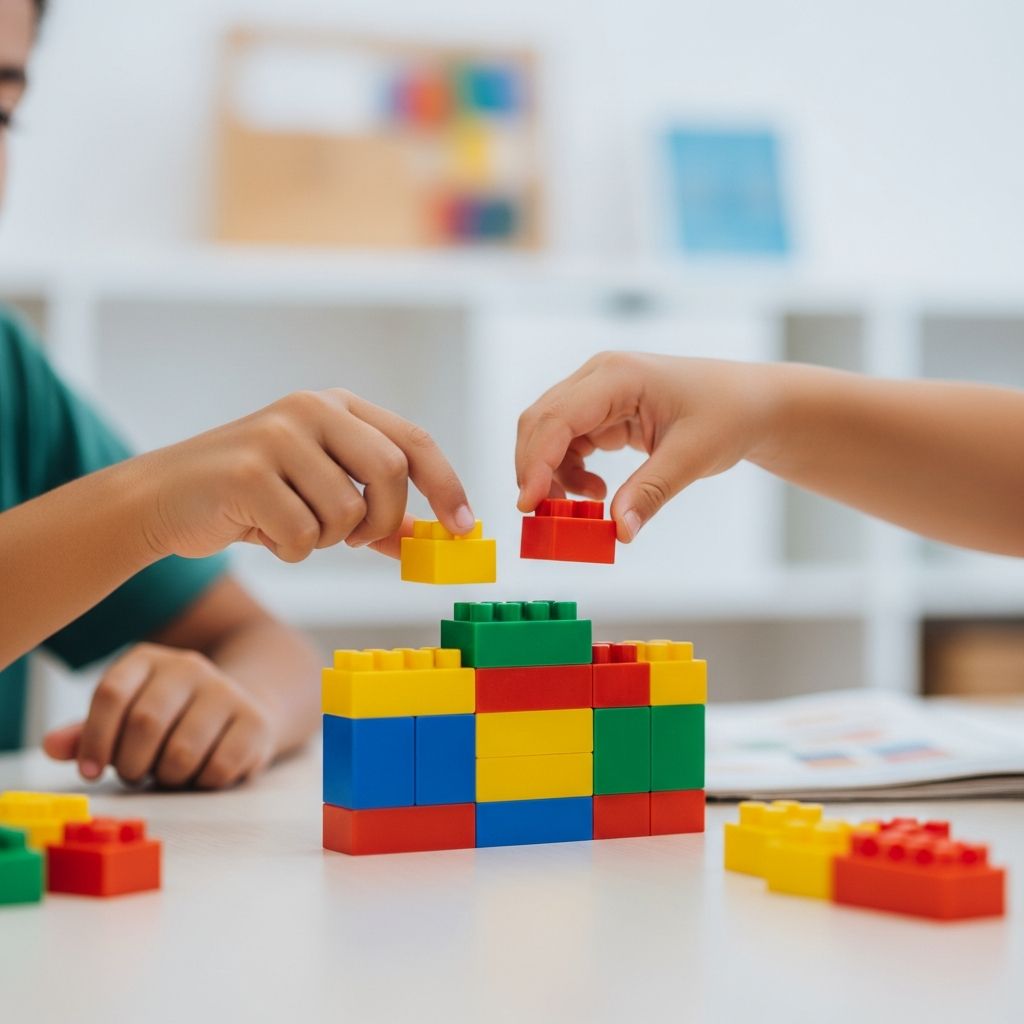
Parents often face the challenge of children dodging responsibility by pointing fingers or inventing reasons for their shortcomings. Shifting this mindset requires intentional strategies that promote ownership over actions. This article explores practical methods to cultivate accountability, drawing from developmental principles that empower kids to thrive independently.
Understanding the Roots of Excuse-Making in Children
Excuse-making stems from a natural desire to avoid discomfort or failure. Young minds learn quickly that blaming others—be it siblings, teachers, or circumstances—can deflect consequences. However, this habit undermines self-confidence and problem-solving skills essential for adulthood. Research from child development experts emphasizes early intervention to rewire these patterns toward proactive behavior.
By age 2-5, children begin grasping cause-and-effect, making it ideal to introduce simple ownership concepts. Older kids, 6-10, can handle more nuanced discussions about choices and outcomes. The goal is not perfection but consistent practice in owning decisions, which builds resilience and integrity.
Creating an Environment That Encourages Independence
A child’s surroundings profoundly influence their willingness to take charge. Adapt home spaces to match their capabilities: low shelves for toys, child-sized tools for chores, and accessible cleaning supplies. This setup signals trust in their abilities, reducing reliance on adult intervention.
Start small. For toddlers, provide a step stool for kitchen tasks like rinsing dishes. School-aged children benefit from personal zones, like a designated desk area they maintain. Such adaptations foster autonomy without overwhelming them, turning everyday spaces into responsibility classrooms.
Age-Appropriate Responsibilities: A Progressive Guide
Assign tasks matching developmental stages to ensure success and motivation. Below is a table outlining suitable chores by age group, promoting gradual skill-building.
| Age Group | Recommended Tasks | Skills Developed |
|---|---|---|
| 2-5 Years | Put toys in bins, fill pet bowl, wash hands independently | Basic hygiene, tidying, following simple instructions |
| 6-10 Years | Make bed, sort laundry, vacuum floors, set alarm | Time management, self-care, household contribution |
| 11+ Years | Mow lawn, prepare simple meals, manage allowance | Complex problem-solving, financial literacy, leadership |
This progression, supported by pediatric guidelines, ensures tasks challenge without frustrating, leading to mastery and pride. Rotate duties weekly to prevent boredom and teach flexibility.
The Power of Parental Modeling
Children mirror adult behavior. Demonstrate accountability by owning your mistakes openly: “I forgot the groceries; I’ll handle it now.” Pair this with guiding kids through their errors, like cleaning a spill together without criticism.
Avoid rescuing them from natural outcomes. If homework is forgotten, let the low grade teach the lesson, then discuss improvements. This models resilience, showing effort trumps perfection.
Implementing Chores and Ownership Systems
Establish clear, visible chore charts. Use visual aids like stickers for young ones or apps for teens. Assign ‘ownership areas’—a child’s room or plant care—to instill pride in maintenance.
- Chore Charts: Track daily tasks with rewards like extra playtime upon completion.
- Responsibility Jars: Draw random tasks daily, adapting for ability levels.
- Garden Duties: Care for plants to visualize neglect’s impact.
Family meetings reinforce these: review weekly accomplishments and adjust as needed. Consistency here transforms chores from burdens to habits.
Embracing Natural Consequences Over Punishment
Shift from blame to logical outcomes. Forgot lunch? No snacks until next meal. Pet unfed? It goes hungry briefly, prompting empathy.
Discuss beforehand: “If toys aren’t picked up, playtime ends early.” This predictability builds foresight. Unlike harsh punishments, natural consequences link actions directly to results, enhancing learning without resentment.
Fun Ways to Reinforce Responsibility Through Play
Gamify tasks to engage reluctant participants. Responsibility Bingo lists chores like ‘brush teeth’ or ‘help with dishes’; completions fill the board for prizes.
Other ideas:
- Sticker Rewards: Earn points for family privileges.
- Role-Playing Games: Simulate real-life scenarios like grocery shopping.
- Team Challenges: Family competitions for cleanest spaces.
Play reduces resistance, embedding lessons joyfully while teaching teamwork.
Addressing Resistance and Building Resilience
Pushback is common. Respond calmly: acknowledge feelings (“I know it’s tough”) then redirect to solutions. Praise effort: “You tried hard to fix that—great job!”.
For persistent issues, use ‘accountability contracts’: kids co-create rules and consequences, increasing buy-in. Patience is key; progress may take weeks, but persistence yields independent thinkers.
Long-Term Benefits of Early Accountability Training
Kids taught responsibility early excel in school, relationships, and careers. They develop time management, empathy, and grit—traits linked to success. Families bond stronger through shared duties, creating harmonious homes.
Track progress via journals: note improvements in initiative or reduced complaints. Celebrate milestones to sustain momentum.
Frequently Asked Questions (FAQs)
What if my child refuses chores repeatedly?
Implement consistent natural consequences without anger. Involve them in creating the system for ownership. Seek patterns like overload and adjust loads.
How young is too young for responsibilities?
As early as 2 years, with simple tasks like toy cleanup. Match to abilities for positive experiences.
Should chores be tied to allowance?
Optional; focus on intrinsic rewards first. Allowance can teach finance later, but base it on separate tasks.
What about teens who blame everything on others?
Hold firm boundaries, link privileges to compliance. Role-model and discuss peer influences calmly.
Can games really teach responsibility?
Yes, they make abstract concepts tangible and fun, boosting engagement and retention.
References
- Essential Tips for Teaching Children Responsibility — Woodandhearts. 2023-05-15. https://woodandhearts.com/blogs/news/teaching-children-responsibility
- Tips for Teaching Kids Responsibility — Children’s Hospital Colorado. 2024-08-20. https://www.childrenscolorado.org/just-ask-childrens/articles/teaching-responsibility/
- To Raise Responsible Children, Give Them Responsibilities — KinderCare. 2023-11-10. https://www.kindercare.com/content-hub/articles/2017/may/to-raise-responsible-children-give-them-responsibilities
- Responsible Kids Don’t Just Happen — Focus on the Family. 2024-02-28. https://www.focusonthefamily.com/parenting/responsible-kids-dont-just-happen/
- Teach Your Child Responsibility — 7 Tips to Get Started — Empowering Parents. 2023-09-12. https://www.empoweringparents.com/article/teach-your-child-responsibility-7-tips-to-get-started/
Similar Articles







Read full bio of Sneha Tete