Camping With Baby: First-Time Guide And Practical Checklist
Essential strategies for a safe, enjoyable first camping trip with your infant, from gear to sleep routines.
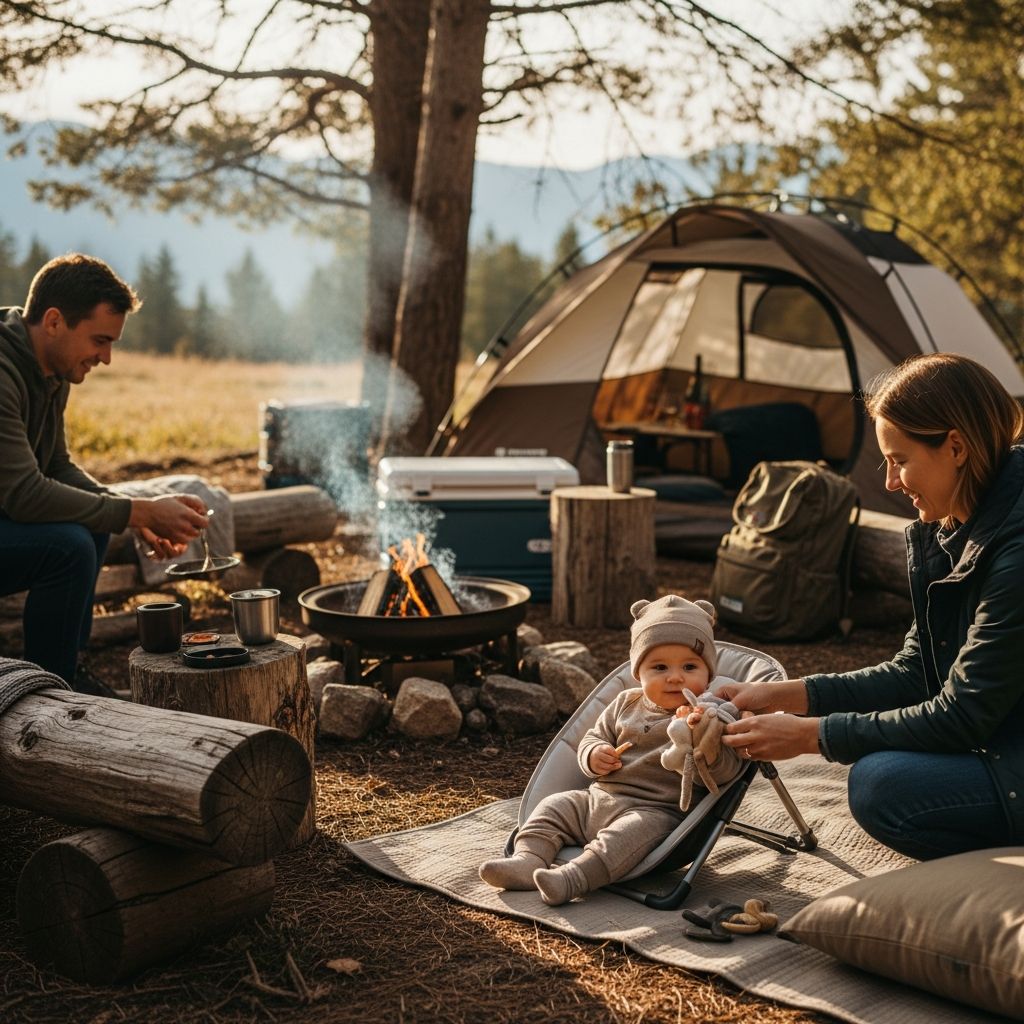
Camping with Baby: First-Time Guide
Introducing your infant to the outdoors through camping builds lasting family memories while fostering a love for nature. With thoughtful planning, even novice parents can navigate challenges like sleep disruptions and weather variability for a rewarding experience.
Selecting the Perfect Campsite for Infants
Opt for established campgrounds with family-friendly amenities to ease your first outing. Prioritize sites near restrooms, water sources, and playgrounds, reducing logistical stress.
- Choose locations with flush toilets and showers for hygiene convenience, especially vital during diaper changes.
- Seek shaded areas under trees to shield baby from direct sun exposure.
- Verify proximity to medical facilities; note the nearest hospital or clinic before arrival.
- Test drive to the site beforehand to assess road conditions and travel time with baby.
Established sites often feature flat, debris-free ground ideal for tent setup and baby play areas. Avoid remote wilderness spots until gaining confidence.
Essential Gear Checklist for Baby Camping
Packing efficiently prevents overload while covering necessities. Focus on multi-use items to maximize space in your vehicle.
| Category | Recommended Items | Purpose |
|---|---|---|
| Sleep | Portable crib or travel bassinet, sleeping bag rated for infants | Secure, familiar sleep environment |
| Play/Relax | Baby carrier, activity seat, play yard | Hands-free exploration and safe containment |
| Protection | Mosquito net, UPF clothing, sun shelter | Shield from bugs and UV rays |
| Feeding | Cooler, nursing chair, bottles/formula | Maintain nutrition routines |
| Health | First-aid kit, infant pain relief, thermometer | Handle minor issues promptly |
A compact play yard doubles as a nap station and safe playpen, essential for mobile babies who explore tents otherwise. Lightweight baby carriers enable hikes without fatigue.
Creating a Safe Sleep Routine Outdoors
Consistent sleep is paramount; disruptions from novel sounds and lights can unsettle infants. Replicate home conditions as closely as possible.
- Use white noise machines to mask campsite noises like rustling leaves or distant voices.
- Set up baby’s sleep area inside the tent away from adult bedding for safety.
- Employ blackout shades or tent positioning to block daylight during naps.
- Practice tent sleeping at home beforehand to familiarize baby with the setup.
For infants under six months, a firm portable crib prevents rolling risks on uneven ground. Always place baby on their back without loose blankets or pillows, adhering to safe sleep guidelines from the American Academy of Pediatrics.
Nutrition and Feeding Strategies in Nature
Maintain feeding schedules amid outdoor distractions. Breastfeeding parents benefit from portable, ergonomic seating for comfort during extended sessions.
Pack a insulated cooler with ice packs for milk storage, ensuring formula or expressed milk stays fresh up to 24 hours. For solid foods, bring pre-portioned purees in spill-proof pouches. A clip-on high chair or lap seat secures baby during meals near the firepit, preventing wandering.
- Establish a dedicated nursing nook with a low chair and privacy drape.
- Pre-measure formula powders in labeled bags for quick mixing.
- Carry extra bibs and wipes for inevitable messes from wind-blown crumbs.
Protecting Baby from Environmental Hazards
Infants’ delicate skin and systems require vigilant defense against sun, insects, and temperature swings.
For sun safety, babies under six months rely on physical barriers: wide-brimmed hats with neck flaps, long lightweight layers, and pop-up shade tents. Over six months, apply broad-spectrum SPF 30+ sunscreen reapplied every two hours, per Skin Cancer Foundation recommendations.
Insect protection skips chemical sprays for newborns; opt for permethrin-treated clothing and fine-mesh nets over carriers or cribs. Monitor for ticks post-hike, especially in wooded areas.
Temperature control involves layering merino wool base layers and monitoring with a reliable thermometer. In cold weather, use infant-rated sleeping bags and hot water bottles wrapped for tent warming—never directly against skin.
Daily Activities and Entertainment Ideas
Keep baby engaged without screens, leveraging nature’s stimuli. Short, shaded walks in carriers build stamina; point out birds or leaves for sensory input.
- Spread a large waterproof blanket for tummy time amid grass textures.
- Use portable bouncers for sky-gazing sessions, promoting calm observation.
- Involve baby in gentle tasks like sorting safe leaves or feeling water in a basin.
For mobile toddlers transitioning from infancy, child-sized chairs around the fire foster inclusion during storytelling, enhancing bonding.
Health, Hygiene, and Emergency Preparedness
Prioritize wellness with a stocked first-aid kit including bandages, antiseptic, infant acetaminophen, and allergy meds. Know CPR basics and have emergency contacts programmed.
Hygiene hinges on disposable diapers doubled for volume, packed out in sealed bags to leave no trace. Portable changing stations with wipes and hand sanitizer maintain cleanliness. Water purification tablets ensure safe bottle rinsing.
Before departure, confirm baby’s vaccinations and health status. Pack electrolyte packets for hydration in heat.
Frequently Asked Questions
What age is safe for baby’s first camping trip?
Most experts recommend waiting until after 2-3 months, once sleep and feeding routines stabilize, though well-prepared parents succeed earlier with car camping.
How do I handle diapers in bear country?
Use double-bagged disposables stored in airtight bins or vehicle trunks overnight; never hang or leave in tents to avoid attracting wildlife.
Can I use a regular stroller on campsites?
Opt for all-terrain models with strong suspension for rough paths; baby carriers excel for hands-free mobility on trails.
What if it rains during our trip?
Tarp setups over tents create dry zones; pack quick-dry clothing and games for indoor tent play to turn weather into cozy family time.
Is car camping easier than backpacking with baby?
Absolutely—more gear capacity reduces packing stress, ideal for first-timers building confidence.
Building Confidence for Future Adventures
Start short: one-night trips nearby evolve into weekend escapes. Journal experiences to refine future outings, turning challenges into triumphs. Camping with baby cultivates resilience, deepening family connections amid nature’s embrace.
(Word count: 1678)
References
- Sun Protection Guidelines — American Academy of Dermatology. 2023-06-15. https://www.aad.org/public/everyday-care/sun-protection
- Sunscreen Recommendations for Children — Skin Cancer Foundation. 2024-03-10. https://www.skincancer.org/skin-cancer-prevention/sun-protection/sunscreen/
- Safe Sleep for Babies — American Academy of Pediatrics. 2022-10-24. https://www.aap.org/en/patient-care/safe-sleep/
- Camping Safety with Infants — Centers for Disease Control and Prevention (CDC). 2023-08-01. https://www.cdc.gov/healthywater/outdoor/recreation/camping.html
- Infant Outdoor Health Guidelines — World Health Organization. 2021-05-12. https://www.who.int/news-room/fact-sheets/detail/children-and-outdoor-activity
Similar Articles







Read full bio of Sneha Tete