Child Coughs and COVID-19: Key Signs for Parents
Learn to identify if your child's cough signals COVID-19 versus common illnesses like colds, flu, or croup.
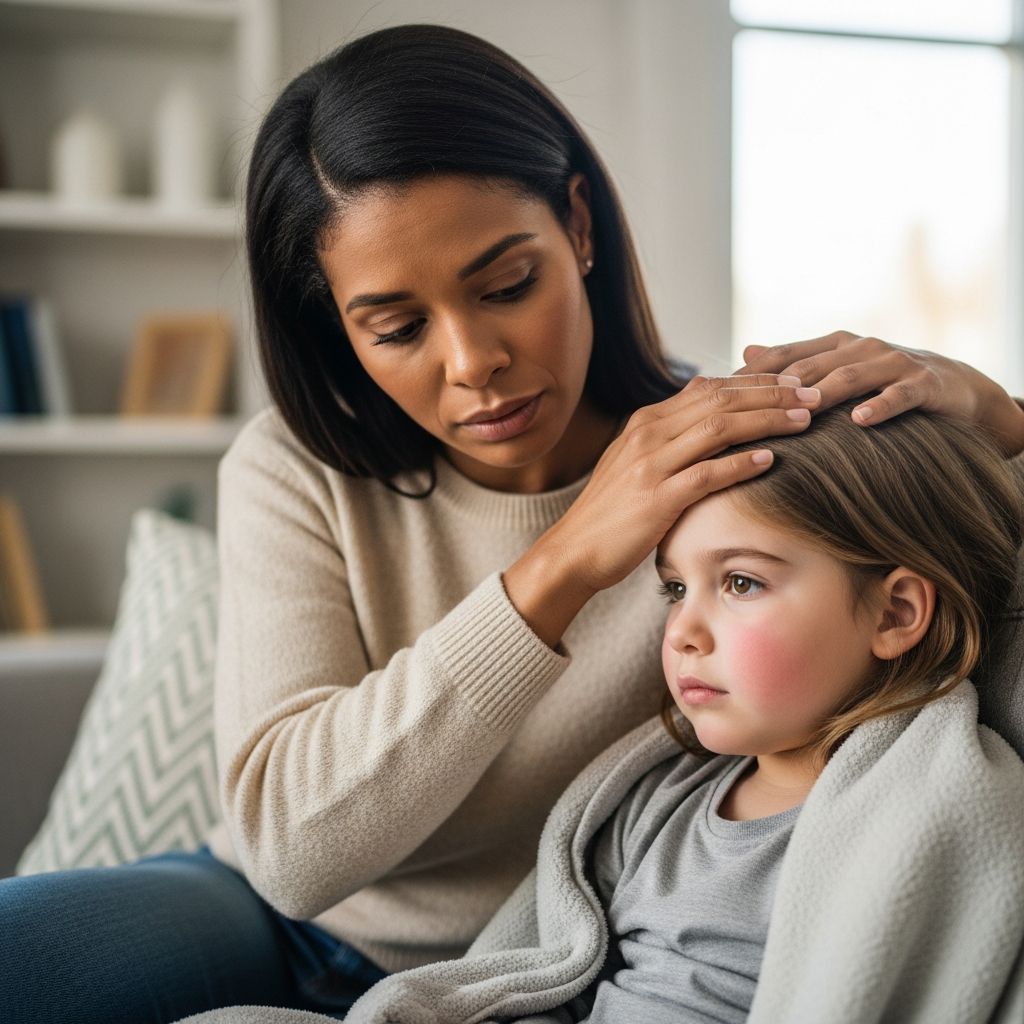
Respiratory symptoms like coughing are frequent in children, but determining if a cough points to COVID-19 requires careful observation of its characteristics and accompanying signs. While most kids experience mild effects from the virus, distinguishing it from everyday colds, flu, RSV, or croup helps parents decide on next steps effectively.
Understanding Cough Types in Children
Coughs serve as the body’s defense against irritants in the airways. In kids, they vary by sound and trigger, offering clues about the underlying cause. A
dry cough
lacks mucus and often feels tickly, commonly linked to viral infections including COVID-19. Wet or productive coughs involve phlegm, typical in bacterial issues or later-stage viruses. Parents should note the cough’s persistence, timing (nighttime worsening?), and triggers like activity or lying down.- Dry, persistent cough: Lasts over an hour or recurs in episodes, a hallmark of COVID-19.
- Barking cough: Seal-like, indicates swelling in the upper airways, often from croup which can overlap with COVID-19.
- Wheezy cough: Accompanied by whistling sounds, suggests lower airway involvement like asthma or RSV.
Common Symptoms Accompanying Coughs in Kids with COVID-19
Isolated coughs occur, but COVID-19 typically pairs them with other indicators. Fever tops the list, affecting over 90% of infected children, alongside fatigue, sore throat, and nasal congestion. Gastrointestinal upset like diarrhea or vomiting adds another layer, less common in standard colds.
| Symptom | COVID-19 Frequency in Kids | Notes |
|---|---|---|
| Fever | Very Common (93%+) | Often first sign, persists 3+ days. |
| Cough | Common (60%+) | Dry or barking; may linger weeks with allergies. |
| Sore Throat | Common | Mild irritation. |
| Runny Nose/Congestion | Common | Clear mucus initially. |
| Fatigue | Common | Extreme tiredness. |
| Loss of Taste/Smell | Sometimes | More telling in older kids. |
This table draws from clinical observations; track multiple symptoms for better assessment.
Comparing COVID-19 Cough to Other Childhood Illnesses
Not all coughs signal COVID-19. Flu brings rapid fever and body aches with dry cough, hitting hard within hours. RSV progresses from runny nose to wheezing cough, peaking in infants. Colds start gradually with mild symptoms, while allergies cause chronic cough without fever, worsened by irritants.
COVID-19 vs. Flu
COVID-19 symptoms brew slower (2-14 days post-exposure) versus flu’s abrupt onset. Kids with flu suffer high fever and aches prominently, while COVID-19 leans toward congestion and potential smell loss.
COVID-19 vs. Croup
Croup’s barking cough and stridor (noisy breathing) stem from viral larynx swelling, treatable with steroids. COVID-19 can trigger croup-like symptoms during variants like Omicron. Persistent barking at rest warrants urgent care.
COVID-19 vs. RSV and Allergies
RSV mimics with cough and wheezing but stages symptoms over days, risking bronchiolitis in babies. Allergic kids face prolonged post-COVID coughs (>4 weeks) due to airway inflammation; multivariate studies confirm this link.
Risk Factors and Prolonged Coughs in Children
Most children bounce back in 1-2 weeks with rest and hydration. However, those with allergies, asthma, or multiple conditions risk extended symptoms. One study of 686 kids found allergic diseases doubled cough duration beyond 4 weeks post-mild COVID-19. Underlying issues heighten severity, emphasizing early intervention.
- Allergic rhinitis or asthma: Increases hyperresponsiveness.
- Age under 5: Higher croup risk.
- Obesity or immunocompromise: Elevates complication odds.
When to Test for COVID-19
Test if cough pairs with fever, fatigue, or exposure history. At-home antigen tests suit initial screening; positives confirm, negatives may need PCR for accuracy, especially in low-symptom kids. Timing matters—test 2-14 days post-exposure. Consult pediatricians for guidance on repeat testing if symptoms persist.
Emergency Warning Signs Requiring Immediate Care
Seek emergency help for breathing struggles, persistent high fever (>100.4°F over 3 days), or bluish lips. Multisystem Inflammatory Syndrome in Children (MIS-C) features ongoing fever, rash, and abdominal pain—rare but serious post-COVID complication.
- Stridor or retractions (chest sinking in).
- Inability to drink or extreme lethargy.
- Confusion or cyanosis (blue skin).
Home Management Strategies for Mild Coughs
For mild cases, focus on comfort: humidifiers ease airways, honey (over 1 year) soothes throats, and elevation aids sleep. Hydration thins mucus; avoid OTC cough meds under 6 without doctor approval. Isolate to curb spread.
- Monitor temperature twice daily.
- Ensure fluid intake (pedialyte if vomiting).
- Use saline drops for congestion.
Prevention Tips to Safeguard Your Family
Vaccination remains key, reducing severe outcomes even in kids. Layer protections: masks in crowds, handwashing, and ventilation. Stay current on boosters, as variants evolve.
Frequently Asked Questions (FAQs)
How long does a COVID-19 cough last in children?
Typically 1-2 weeks, but up to 8 weeks in allergic kids.
Is a barking cough always croup or COVID-19?
Often viral croup; COVID-19 can mimic. Test and watch for rest-time worsening.
Should I give my child cough medicine for COVID-19 symptoms?
Avoid under 6; consult doctor. Honey works for ages 1+.
Can allergies make COVID-19 cough worse?
Yes, studies show prolonged severity in allergic children.
What if my child tests negative but coughs persist?
Re-test or check for flu/RSV; see doctor for ongoing issues.
This comprehensive guide empowers parents with evidence-based tools. Always prioritize professional medical advice tailored to your child.
References
- COVID-19 in babies and children — Mayo Clinic. 2022-10-13. https://www.mayoclinic.org/diseases-conditions/coronavirus/in-depth/coronavirus-in-babies-and-children/art-20484405
- Cough symptoms in children following COVID-19 — PubMed Central (PMC). 2024-04-01. https://pmc.ncbi.nlm.nih.gov/articles/PMC11026548/
- COVID-19: What to Do if Your Child Is Sick — Nemours KidsHealth. 2023-01-15. https://kidshealth.org/en/parents/coronavirus-child-is-sick.html
- Flu, COVID-19, RSV, cold, allergies—what’s the difference? — Children’s Healthcare of Atlanta. 2024-09-20. https://www.choa.org/parent-resources/covid-19/difference-between-flu-covid19-cold-rsv
- Respiratory Illness in Kids — Children’s Hospital Colorado. 2023-11-10. https://www.childrenscolorado.org/just-ask-childrens/articles/coronavirus-and-flu-symptoms/
- Covid in Children: Covid Symptoms in Kids — Cleveland Clinic. 2024-05-05. https://my.clevelandclinic.org/health/diseases/covid-in-children
- COVID-19 croup during Omicron — Boston Children’s Hospital. 2022-01-20. https://answers.childrenshospital.org/covid-19-croup/
Similar Articles








Read full bio of Sneha Tete