Creative Baby Spaces in Compact Homes
Discover innovative ways to integrate baby areas into master bedrooms and small home offices without sacrificing style or functionality.
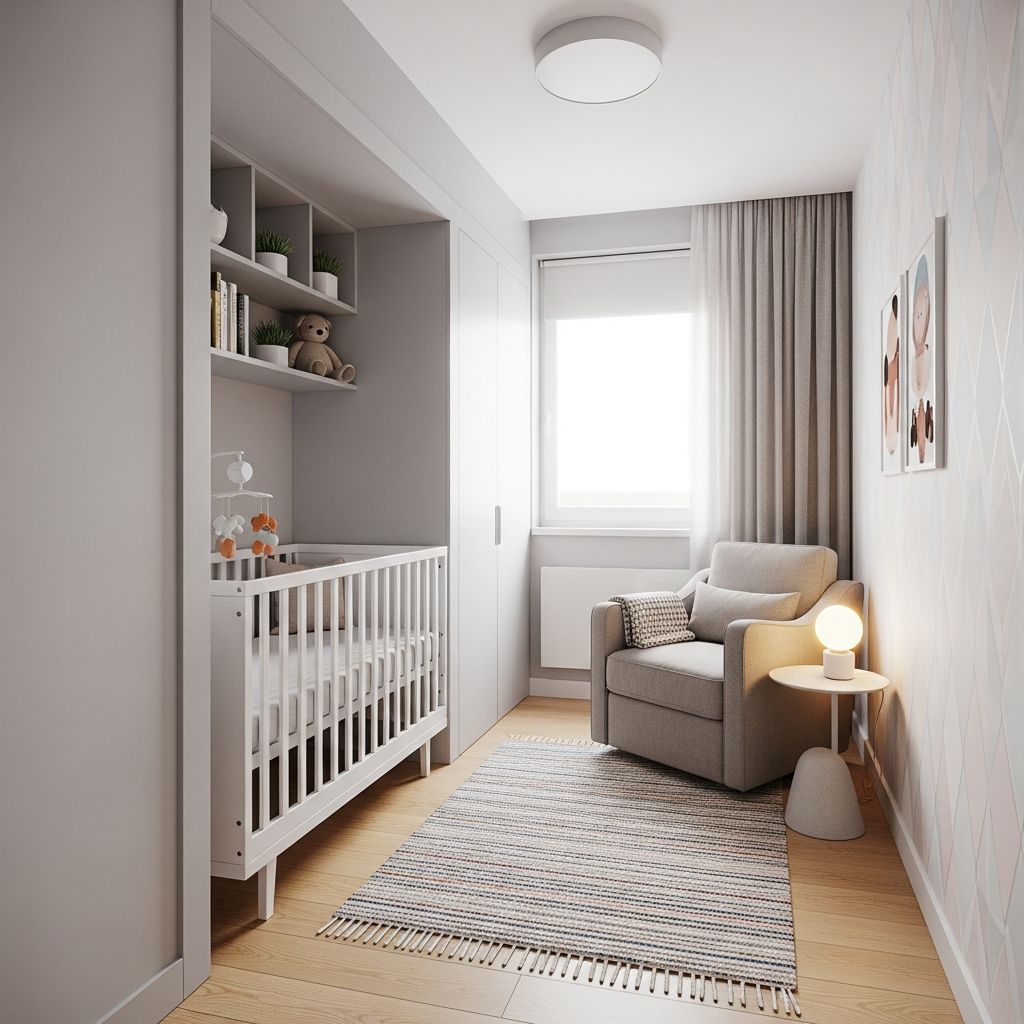
Many families today face the challenge of limited living space while preparing for a new baby. Instead of dedicating an entire room to a nursery, innovative parents are reimagining master bedrooms and home offices as multifunctional havens. This approach not only saves square footage but also keeps the family close during those early months. By thoughtfully integrating baby essentials into existing areas, you can create cozy, efficient zones that evolve with your needs.
Why Blend Baby Areas with Adult Spaces?
Combining a baby’s sleeping area with your master bedroom offers practical benefits, especially in apartments or older homes with fewer rooms. Newborns often wake frequently at night, making proximity ideal for quick comforting without long treks down hallways. This setup supports breastfeeding parents by minimizing disruptions and promoting better rest for everyone. As the child grows, these shared spaces foster bonding and simplify daily routines.
Health experts emphasize the safety of room-sharing for infants. The American Academy of Pediatrics recommends keeping a baby’s sleep area in the parents’ room for at least the first six months, reducing the risk of Sudden Infant Death Syndrome (SIDS) by up to 50% through close monitoring.
Designing a Cozy Nursery Corner in Your Bedroom
Transform a quiet corner of your master suite into a dedicated baby nook without overwhelming the room’s aesthetic. Start with a compact bassinet or mini crib that fits snugly against a wall, leaving floor space open for movement. Opt for models with adjustable heights and wheels for easy repositioning.
- Wall-mounted shelves: Install floating shelves above the crib for diapers, wipes, and books, keeping the floor clear.
- Blackout curtains: Use sheer panels for daytime light control while maintaining an airy feel.
- Neutral palettes: Choose soft grays, beiges, or pastels that complement your bedroom decor.
For visual separation, apply removable wallpaper or a large piece of art behind the crib. This creates a defined zone that feels special for the baby yet harmonious with the adult space. Add a small rocking chair or glider for feeding sessions, ensuring it’s upholstered in durable, easy-clean fabrics.
Building a Dual-Purpose Nursery-Office Hybrid
Home offices have become essential, but carving out nursery space within them is a game-changer for working parents. Convert a walk-in closet or alcove into a hybrid room by prioritizing dual-function furniture. A sleek bassinet like the Snoo, which rocks automatically, takes up minimal room and doubles as a soothing sleep spot.
Key elements for success include:
- Modular storage: Use cube organizers as both changing stations and office supply holders—top bins for baby items, bottom for files.
- Fan-light combos: Install a ‘fandelier’ for airflow and adjustable lighting, crucial in enclosed spaces.
- Swivel chairs: Select an ergonomic armchair that works for nursing and desk tasks.
Paint walls in a unifying color, such as a soothing sage green, to blend the areas seamlessly with the adjacent bedroom. French doors or curtains provide privacy for naps while allowing easy access.
Space-Saving Furniture and Storage Solutions
In tight quarters, every inch counts. Invest in convertible pieces that serve multiple roles over time.
| Furniture Type | Features | Benefits |
|---|---|---|
| Mini Crib | Folds flat, under 30″ wide | Fits corners; converts to toddler bed |
| Cube Dresser | 6-9 compartments | Diaper storage top, clothes/files below |
| Wall Desk | Fold-down design | Expands for work, retracts for play |
| Glider Ottoman | Storage inside seat | Comfort + hidden blankets/toys |
Vertical storage is your ally—tall, narrow dressers and over-door organizers maximize unused walls. Rugs in woven neutrals add warmth and define zones without permanent commitment.
Styling Tips for a Serene, Grown-Up Vibe
Maintain an adult-friendly atmosphere by avoiding overly childish themes. Layer textiles like linen curtains and plush throws in monochromatic tones. Introduce subtle baby nods through framed ultrasound prints or a single mobile with wooden accents.
Lighting plays a pivotal role: Dimmable sconces ensure nighttime discretion, while natural light from large windows keeps the mood uplifting. Plants in hanging planters purify air and soften edges, benefiting both baby and parents’ well-being.
Safety First in Shared Family Spaces
Prioritize guidelines from trusted organizations. The Consumer Product Safety Commission mandates cribs meet strict standards—no drop sides, firm mattresses fitting snugly. Secure furniture to walls to prevent tip-overs, especially near climbing toddlers.
- Keep cords out of reach.
- Use outlet covers and cord shorteners.
- Choose non-toxic, low-VOC paints.
For office-nursery combos, position work areas away from sleep zones to minimize noise and screen glare exposure for infants.
Real-Life Transformations That Inspire
Parents worldwide have successfully revamped their spaces. One couple turned a bedroom closet into a chic nook with floating shelves and a minimalist crib, preserving their modern sanctuary. Another family relocated to a smaller room, dedicating the larger one to baby play and remote work, complete with a converted storage unit as a changer.
These stories highlight adaptability: Start small, test layouts, and adjust as your family dynamics shift. In one makeover, a former office became a sub-nursery extension, featuring a smart bassinet and multifunctional seating for the first year.
Long-Term Planning for Evolving Needs
Design with flexibility in mind. Select items that transition—a crib to full bed, or storage that repurposes for toys then school supplies. As babies become mobile, prioritize open floors for safe crawling and play.
Consider acoustics: Soft rugs and curtains dampen echoes in small rooms. When the nursery phase ends, these setups easily revert to offices or reading nooks.
Frequently Asked Questions
What are the best cribs for small master bedrooms?
Compact options like the Graco Pack ‘n Play or Halo BassiNest fit tight spaces and offer portability for easy integration.
Can I work effectively in a nursery-office combo?
Yes, with noise-cancelling headphones and scheduled work blocks during naps. Dual-use furniture keeps clutter at bay.
How do I maintain privacy in shared spaces?
French doors, room dividers, or tension rods with curtains create flexible barriers without permanent walls.
Is it safe to have a baby sleep in the master bedroom long-term?
Experts recommend it for the first year; beyond that, transition based on sleep training and family preferences.
What colors work best for multifunctional baby rooms?
Neutrals like greige, soft blues, or greens provide calming backdrops that grow with the child.
References
- Room-Sharing with Baby — American Academy of Pediatrics. 2022-10-24. https://www.aap.org/en/news-room/news-releases/aap/2022/american-academy-of-pediatrics-recommends-room-sharing-with-newborn/
- Crib Safety Guidelines — U.S. Consumer Product Safety Commission. 2024-06-15. https://www.cpsc.gov/s3fs-public/CribInformationSheet.pdf
- Safe Sleep for Babies — Centers for Disease Control and Prevention. 2025-01-10. https://www.cdc.gov/sids/about/index.html
- Multifunctional Furniture for Small Spaces — National Association of Home Builders. 2023-11-05. https://www.nahb.org/blog/2023/11/small-space-design-trends
- Infant Sleep Environment Recommendations — National Institute of Child Health and Human Development. 2024-03-20. https://safetosleep.nichd.nih.gov/reduce-risk
Similar Articles








Read full bio of Sneha Tete