Dads in Motion: Fitness, Fatherhood, and Family Health
How fathers' exercise routines shape their well-being, strengthen family bonds, and boost children's lifelong health outcomes.
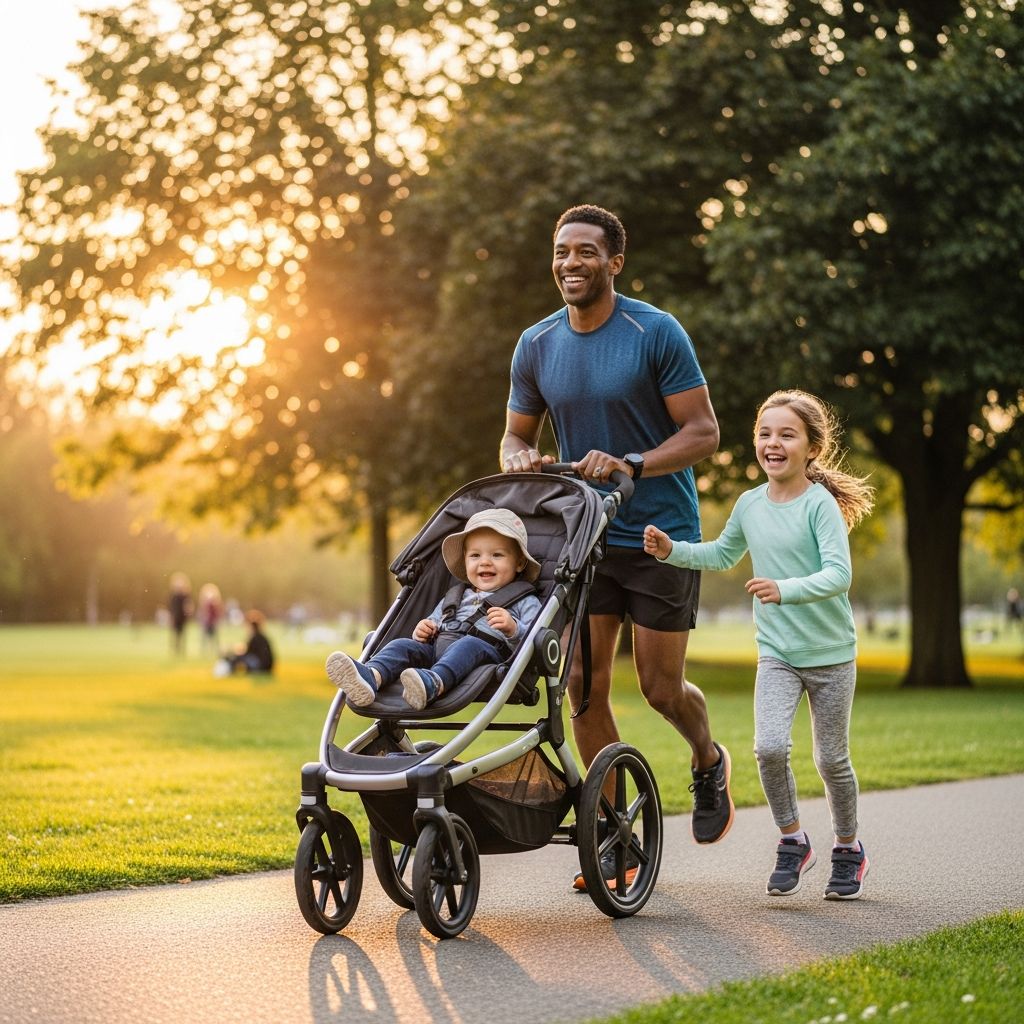
Fathers who prioritize physical activity not only enhance their own physical and mental resilience but also create ripple effects that benefit their children’s health and family dynamics. Research highlights that paternal exercise counters the common decline in activity levels post-fatherhood, fostering stronger bonds and healthier offspring.
The Fatherhood Fitness Challenge: Why Dads Need to Move
Becoming a father introduces profound changes, often leading to reduced physical activity due to heightened responsibilities, work demands, and family scheduling. Studies indicate fathers engage in fewer minutes of moderate-to-vigorous activity weekly compared to childless men, with lower adherence to guidelines. This drop contributes to weight gain, with fathers more prone to overweight or obesity than mothers, elevating risks for chronic conditions.
Physical inactivity exacerbates mental health strains during this transition. Regular movement serves as a buffer against stress, anxiety, and depression, promoting endorphin release and better sleep—critical for new dads juggling sleepless nights and emotional upheavals. Barriers like guilt over time away from family or lack of support are common, yet overcoming them yields substantial rewards.
- Key Barriers for Fathers: New parental duties, time constraints, diminished social networks for workouts.
- Health Risks of Inactivity: Increased BMI, mental health decline, higher obesity odds.
- Motivators to Overcome: Role modeling for kids, family health benefits, personal energy boost.
How Dad’s Workouts Shape Kids’ Futures
Fathers play a pivotal role as ‘activity leaders’ in the home, influencing children’s movement habits through play and example. Paternal behaviors independently predict preschooler obesity risk, separate from maternal effects, with inactive dads linked to higher child weight issues. Active caregiving—think backyard games or park runs—lowers obesity chances in toddlers aged 2-4.
Even more strikingly, preconception exercise in fathers alters offspring metabolism. Mouse studies reveal that exercised sires produce pups with better glucose handling, lower body fat, and improved endurance into adulthood, countering poor diet effects via sperm RNA changes. Human parallels suggest moderate pre-conception fitness could enhance sperm quality and child metabolic health.
| Study Focus | Father’s Condition | Offspring Outcomes |
|---|---|---|
| High-Fat Diet + Sedentary | Poor metabolic programming | Higher fat mass, glucose intolerance |
| High-Fat Diet + Exercise | Reversed negative effects | Improved glucose metabolism, leaner body |
| Normal Diet + Exercise | Enhanced fitness transmission | Better endurance, metabolic health |
These findings underscore fathers’ unique influence: their activity levels don’t just model behavior but may epigenetically program healthier generations.
Building Lasting Family Fitness Habits
To thrive, dads should integrate ‘co-physical activity’—shared exercises with kids—that builds bonds while promoting health. Programs emphasizing family involvement show dads maintaining pre-fatherhood activity levels, motivated by role-modeling and family benefits.
Practical strategies include:
- Short home HIIT sessions (20-30 mins) during nap times.
- Weekend hikes or bike rides as family rituals.
- Goal-setting with partners for mutual accountability.
Interventions like Healthy Dads, Healthy Kids demonstrate success: randomized trials yielded higher activity, better diets, and weight loss in fathers and children, with strong retention. Dads reported enjoying active time with kids, reinforcing commitment.
Mental Resilience Through Movement
Beyond physical gains, exercise fortifies mental health. Fatherhood’s emotional demands—joy mixed with isolation or identity shifts—benefit from activity’s mood-stabilizing effects. Fathers exercising regularly report stronger self-efficacy and family relationships.
Research links paternal fitness attitudes to accurate child health perceptions; consistent activity goals enhance dads’ fitness assessments of kids. This positive loop encourages sustained family wellness.
Overcoming Common Hurdles: A Dad’s Playbook
Many fathers cite time scarcity, but micro-habits work: 10-minute bodyweight circuits or walking meetings. Partner buy-in helps; shared gym dates or kid-free runs alleviate guilt.
Community programs targeting fathers boost engagement, proving the transition to dad-hood is ideal for habit formation. Track progress with apps, celebrate small wins like consistent weekly miles.
Long-Term Legacy: From Dad’s Sweat to Kids’ Strength
Fathers’ fitness imprints lastingly. Active dads foster resilient kids less prone to obesity, with better mental health trajectories. Preconception exercise hints at biological legacies, urging intentional health prep.
Expand influence via school sports volunteering or home obstacle courses, turning play into lifelong fitness culture.
Frequently Asked Questions (FAQs)
What happens to dads’ activity levels after kids arrive?
Fathers typically see sharp declines in moderate-to-vigorous activity, missing guidelines more than childless men, due to family demands.
Can a dad’s exercise before conception affect his kids?
Yes, studies in mice show exercised fathers pass metabolic benefits via sperm changes, improving offspring glucose control and reducing fat.
How does dad’s fitness influence child obesity risk?
Paternal activity independently lowers preschooler obesity odds; active play and role modeling are key.
What are effective workouts for busy fathers?
HIIT, family walks, or play-based activities fit tight schedules, yielding physical and bonding gains.
Do father-focused programs really work?
Trials like Healthy Dads show increased activity, better diets, and family health improvements with high satisfaction.
This comprehensive approach empowers fathers to lead healthier lives, forging unbreakable family ties through motion. Prioritizing fitness isn’t selfish—it’s a gift to generations.
References
- Paternal Physical Activity: An Important Target to Improve Child and Family Health — Morgan PJ et al. PMC. 2018-09-18. https://pmc.ncbi.nlm.nih.gov/articles/PMC6125078/
- New Study – Paternal Exercise Impacts Health of Offspring — Wexner Medical Center, Ohio State University. 2018-10-22. https://wexnermedical.osu.edu/mediaroom/pressreleaselisting/when-dads-exercise-children-are-healthier
- Dads & Their Fitness Influence On Kids’ Health — Les Mills. N/A. https://www.lesmills.com/us/fit-planet/health/fathers-fuel-fitness/
- Study: Dads Who Exercise Pass the Benefits to Their Children — Ohio State Wexner Medical Center (YouTube). 2018-10-22. https://www.youtube.com/watch?v=zi9OR5TPzro
Similar Articles






Read full bio of Sneha Tete