Debunking Breastfeeding Nutrition Myths
Unravel common misconceptions about diet during breastfeeding to support optimal milk production and maternal health.
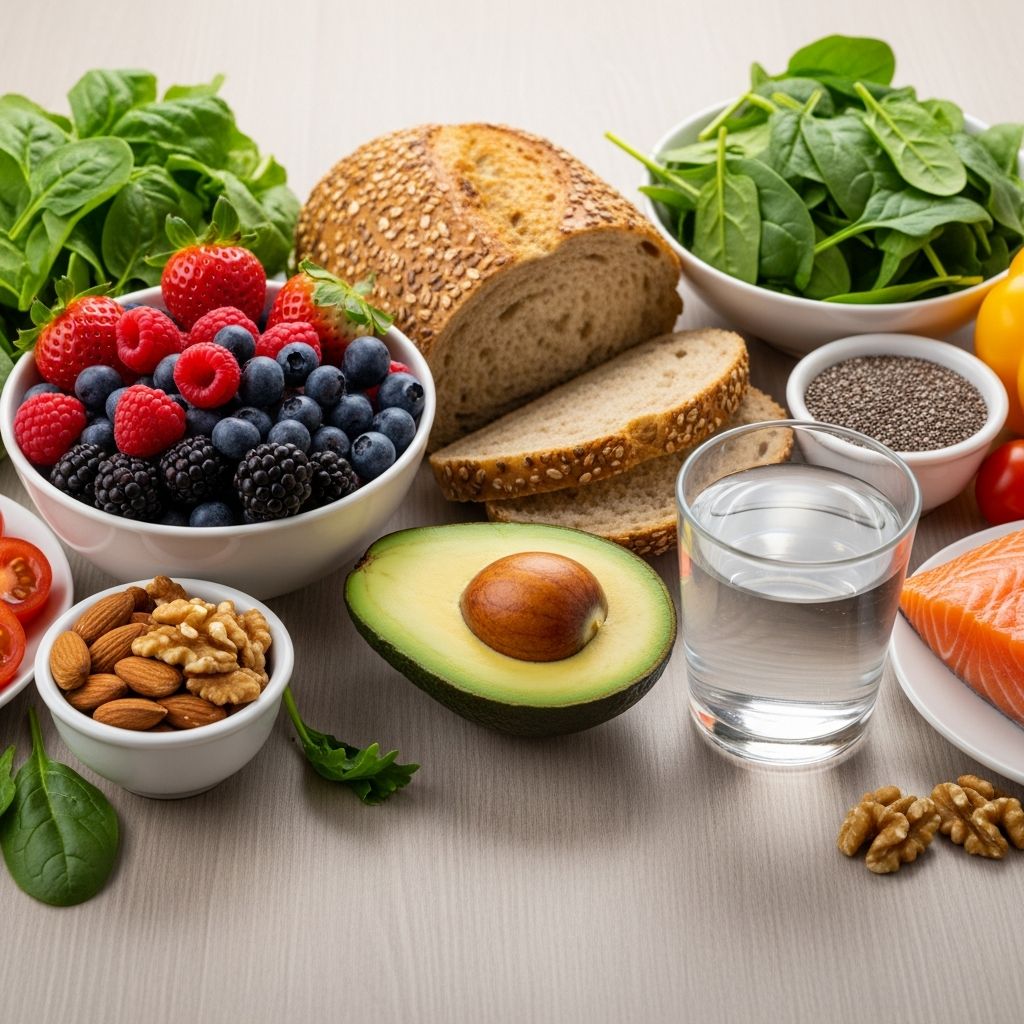
Debunking Breastfeeding Nutrition Myths: What Science Really Says
Navigating the world of breastfeeding comes with a flood of advice, especially regarding what to eat and drink. Many new mothers hear conflicting information about foods that supposedly boost milk production or those they must avoid. This article separates fact from fiction, drawing on reliable health authorities to empower you with accurate knowledge. Understanding these truths helps ensure both you and your baby thrive during this vital period.
Understanding Milk Production Basics
Before diving into myths, it’s essential to grasp how breast milk is made. Milk supply operates on a demand-and-supply principle: the more frequently milk is removed from the breast—through nursing or pumping—the more your body produces. This process is hormonally driven, primarily by prolactin and oxytocin, rather than specific dietary components.
Nutritional intake supports overall health and milk quality but doesn’t directly dictate volume. A balanced diet with adequate calories, fluids, and nutrients sustains energy levels for you and provides building blocks for milk. Most women can produce sufficient milk regardless of minor dietary variations, as long as basic needs are met.
Myth 1: Certain ‘Magic’ Foods Dramatically Boost Milk Supply
One of the most persistent beliefs is that foods like oatmeal, fenugreek, or brewer’s yeast act as powerful galactagogues—increasing milk production. While these have cultural roots and offer nutritional value, scientific evidence doesn’t support claims of significant supply boosts.
- Oatmeal and barley: Rich in fiber and B-vitamins, they promote satiety but lack proven lactation-enhancing effects.
- Herbs like fenugreek or ginger: Anecdotal reports exist, but clinical studies show inconsistent results and potential side effects like digestive upset.
- Fruits such as bananas or apricots: Hydrating and nutrient-dense, yet no direct link to increased output.
Instead, prioritize frequent feeding sessions. If supply concerns arise, consult a lactation consultant to check latch, positioning, or underlying issues.
Myth 2: You Must Drink Cow’s Milk to Produce Your Own
The idea that ‘you need milk to make milk’ is widespread, but it’s unfounded. Human milk production doesn’t rely on dairy consumption. Mammals, including humans, produce milk without drinking another animal’s.
Calcium needs can be met through diverse sources:
| Food Source | Calcium per Serving (mg) | Additional Benefits |
|---|---|---|
| Broccoli (1 cup cooked) | 180 | Vitamin K, fiber |
| Almonds (1 oz) | 75 | Healthy fats, vitamin E |
| Fortified plant milk (1 cup) | 300-450 | Dairy-free option |
| Spinach (1 cup cooked) | 245 | Iron, antioxidants |
These alternatives ensure calcium intake without dairy, debunking the myth for lactose-intolerant or vegan mothers.
Myth 3: Nursing Moms Need a Bland, Restricted Diet
Many believe spicy, garlicky, or flavorful foods harm the baby or reduce milk quality. In reality, a varied diet exposes baby to flavors, easing solid food transitions around six months.
- Spicy foods rarely cause issues unless baby shows fussiness, which is typically temporary.
- Diversifying tastes through breast milk familiarizes infants with global cuisines.
- No evidence supports broad restrictions; focus on moderation for personal tolerance.
Enjoy your favorite meals guilt-free, monitoring for rare sensitivities like excessive gassiness.
Myth 4: Vegan or Plant-Based Diets Prevent Successful Breastfeeding
Concerns about nutrient gaps, especially B12 and omega-3s, lead some to doubt vegan viability. With planning, vegan nursing moms produce ample, nutritious milk.
- Vitamin B12: Supplement or use fortified foods; deficiency risks are manageable.
- DHA/EPA: Algae oil, flaxseeds, or walnuts provide essentials without fish.
- Global examples show thriving breastfed babies in plant-based cultures.
Regular check-ups and targeted supplementation ensure all bases are covered.
The Role of Hydration and Caloric Intake
Dehydration can subtly impact supply, but obsessing over liters of water isn’t necessary. Drink to thirst—aim for pale urine as a hydration cue. Nursing burns 300-500 extra calories daily, so consume 1,800-2,500 based on your needs.
Focus on whole foods: fruits, veggies, proteins, grains. This sustains energy without ‘special’ additions.
Formula vs. Breast Milk: Nutritional Superiority
Formula can’t replicate breast milk’s dynamic composition. It adapts—colostrum for immunity, mature milk for growth—offering antibodies, enzymes, and easy digestibility.
- Breastfed babies face lower risks of infections, allergies, obesity, and SIDS.
- Faster digestion means more frequent feeds, signaling body needs perfectly.
Exclusivity for six months is ideal per WHO guidelines.
Addressing Low Supply Worries
True low supply is rare; most issues stem from ineffective removal. Pump or nurse 8-12 times daily to build supply. Avoid early supplements, as they reduce demand.
Signs of adequacy: 6+ wet diapers daily, steady weight gain, contentment post-feed.
Practical Nutrition Tips for Nursing Mothers
- Eat balanced meals every 3-4 hours to maintain energy.
- Incorporate iron-rich foods (leafy greens, lentils) with vitamin C for absorption.
- Snack on nuts, yogurt, or fruit for quick boosts.
- Rest when possible; fatigue hampers production more than diet.
Frequently Asked Questions (FAQs)
Can spicy food upset my breastfed baby?
Rarely; most babies tolerate flavors well, and it aids future eating variety.
Do I need to eat more calories while breastfeeding?
Yes, about 300-500 extra daily, adjusted for activity.
Is it safe to breastfeed on a vegan diet?
Absolutely, with B12 and DHA attention.
Will drinking more water increase my milk supply?
Hydrate to thirst; excess doesn’t boost production.
Should I avoid caffeine or alcohol entirely?
Moderate caffeine (under 300mg) is fine; limit alcohol and time feeds accordingly.
Benefits Beyond Nutrition: Why Breastfeeding Matters
Breastfeeding fosters bonding, reduces maternal cancer risks, and aids postpartum recovery. Its immunological properties protect against illnesses, underscoring why myths matter—they can undermine confidence.
Armed with facts, focus on responsive feeding and self-care. Consult professionals for personalized advice.
References
- 5 Breastfeeding Diet Myths — Johns Hopkins Medicine. 2023. https://www.hopkinsmedicine.org/health/wellness-and-prevention/5-breastfeeding-diet-myths
- Breastfeeding and a Mother’s Diet: Myths and Facts — La Leche League. 2023. https://laleche.org.uk/breastfeeding-and-a-mothers-diet-myths-and-facts/
- Common Breastfeeding Myths and Questions — New Mexico WIC. 2024. https://www.nmwic.org/breastfeeding/breastfeeding-resources/common-breastfeeding-myths-and-questions/
- Breastfeeding facts: 11 myths debunked — Children’s Health. 2023. https://www.childrens.com/health-wellness/breastfeeding-facts-myths-debunked
- Breastfeeding myths: learn here what’s true or not — MySanitas. 2023. https://www.mysanitas.com/en/blog/breastfeeding-myths-learn-here-whats-true-or-not
Similar Articles







Read full bio of medha deb