Defining Cheating in Modern Relationships
Unpack the evolving boundaries of fidelity, from physical acts to emotional bonds and digital flirtations in today's complex partnerships.
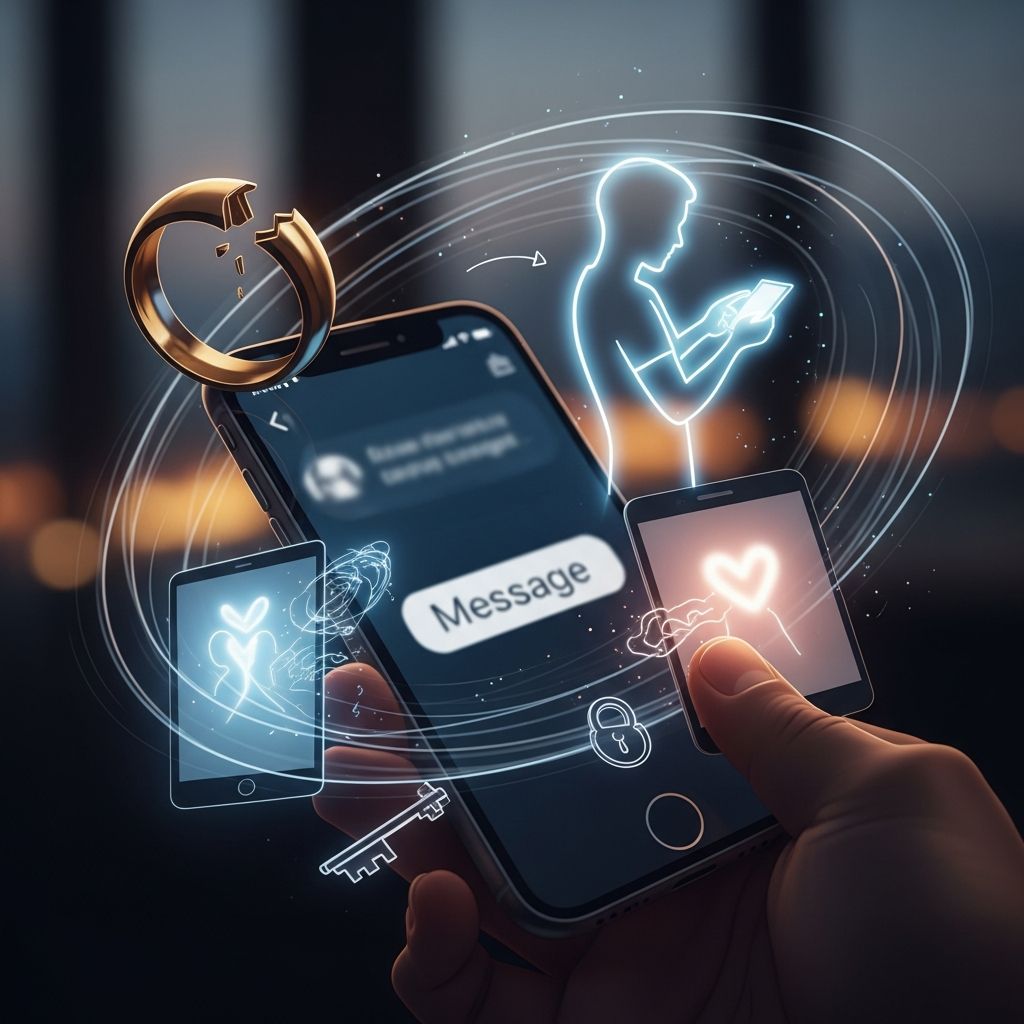
Relationships thrive on mutual trust and agreed-upon boundaries, yet the concept of cheating has expanded beyond traditional physical acts. In today’s interconnected world, infidelity encompasses emotional connections, secretive digital interactions, and subtle behaviors that erode commitment. Understanding these layers helps partners navigate gray areas and foster transparency.
The Core Essence of Infidelity
At its heart, cheating involves breaching the exclusivity or honesty expected in a committed partnership. This can manifest as secret emotional, sexual, or romantic engagements that undermine the relationship’s foundation. Experts emphasize that infidelity is not solely about a single deed but violating implicit or explicit agreements.
Modern definitions highlight intent and secrecy over isolated actions. For instance, behaviors become problematic when hidden from a partner, signaling a prioritization of external validation. Relationship therapists note that what one couple deems acceptable—such as casual flirting—might devastate another due to differing values.
Physical Betrayal: The Traditional Boundary
Physical cheating remains the most universally recognized form, involving tangible intimate contact outside the partnership. Common examples include kissing, sexual intercourse, or any genital touching. Surveys indicate 84% of people view intercourse with someone else as cheating, with 70% agreeing on kissing.
These acts often stem from impulse but carry profound consequences, shattering physical exclusivity. Even ‘near-misses,’ like heavy petting without penetration, qualify for many, as they cross into intimate territory reserved for the primary relationship.
- Kissing on the lips or more intimate areas
- Any form of penetrative or oral sex
- Intentionally allowing or initiating private physical contact
Recovery from physical infidelity demands rigorous honesty and often professional counseling to rebuild intimacy.
Emotional Affairs: Invisible Wounds
Emotional cheating occurs when deep intimacy forms with someone outside the relationship, often eclipsing the partner’s role. This includes confiding secrets, seeking validation, or prioritizing another’s emotional needs. About 50% of individuals consider forming a profound emotional bond as infidelity.
Unlike physical acts, emotional betrayals build gradually through private conversations or shared vulnerabilities. Partners may feel sidelined as their spouse turns elsewhere for support, leading to isolation. Therapists observe that emotional affairs hurt deeply because they attack the psychological core of partnership.
| Type | Characteristics | Impact |
|---|---|---|
| Physical | Often impulsive, one-off | Breaks bodily trust |
| Emotional | Ongoing, intentional | Erodes emotional security |
Emotional cheating frequently precedes or surpasses physical involvement in destructiveness, as it reallocates the heart’s loyalty.
Digital and Virtual Deceptions
Technology has introduced cyber infidelity, where online interactions mimic real-world affairs. Sexting, exchanging nudes, or flirtatious messaging counts as cheating for 72% of surveyed adults. These virtual encounters lack physical presence but inflict comparable relational damage through secrecy.
Social media amplifies risks: private DMs, story replies, or maintaining ‘streaks’ can signal interest. Even viewing explicit content or engaging in anonymous chats violates boundaries if concealed. The constant accessibility of apps turns everyday devices into portals for betrayal.
- Secret romantic texting or emailing
- Cybersex or sharing intimate media
- Hiding browser history or app usage
Micro-Cheating: Subtle Erosions of Trust
Micro-cheating refers to low-level actions that hint at disloyalty without overt intimacy. These ‘small’ behaviors—like excessive liking on social media, staying in touch with exes, or pretending to be single—plant seeds of doubt. They thrive in ambiguity, prompting partners to question commitment.
What distinguishes micro-cheating is its sneakiness: if you’d hide it from your partner, it’s likely problematic. Examples include showing off for someone attractive or complaining about your relationship to a ‘friend.’ Over time, accumulation fosters resentment and insecurity.
In non-monogamous setups, micro-cheating might involve undisclosed encounters or unsafe practices, still breaching transparency rules.
Navigating Boundaries in Non-Traditional Relationships
Not all partnerships enforce monogamy; open or polyamorous dynamics permit external sexual or romantic pursuits under strict guidelines. Here, cheating shifts to non-disclosure or rule violations, like skipping protection or developing unapproved emotional ties.
Success hinges on explicit contracts: what’s celebrated in one relationship (e.g., group activities) is taboo in another. Communication prevents ‘situationships,’ where mismatched expectations breed accusations of infidelity.
Statistics on Perceptions of Cheating
Public views on infidelity vary widely, reflecting cultural shifts. A study found:
- 84% see sex with others as cheating
- 52% view flirting as infidelity
- 33% consider secret-sharing or fantasizing as betrayal
These divergences underscore the need for personalized discussions rather than universal standards.
Consequences and Pathways to Healing
Infidelity triggers heartbreak, trust deficits, and lasting relational scars. Emotional variants often prove harder to mend due to their insidious nature. Yet, recovery is viable through therapy, accountability, and recommitment.
Steps for betrayed partners include processing grief, setting new boundaries, and evaluating compatibility. Perpetrators must demonstrate change via full disclosure and behavioral shifts.
Preventing Infidelity Through Communication
Proactive dialogue defines acceptable behaviors early. Couples should discuss scenarios like workplace flirtations or online friendships. Regular check-ins maintain alignment amid life’s changes.
Tools like relationship agreements clarify gray zones, reducing misunderstandings. Fostering fulfillment within the partnership minimizes temptations elsewhere.
Frequently Asked Questions
Is flirting always cheating?
No, but it qualifies if secretive or beyond platonic bounds. Context and partner comfort dictate.
Does watching porn count as infidelity?
Rarely outright cheating, but hiding it or prioritizing it over partner intimacy can erode trust.
Can relationships survive cheating?
Yes, with mutual effort, therapy, and transparency; many emerge stronger.
What’s the difference between emotional and physical cheating?
Emotional focuses on intimacy and secrecy; physical on bodily acts. Both betray but in distinct ways.
How do I address suspicions of micro-cheating?
Express feelings calmly without accusation, seeking mutual boundary clarification.
References
- What counts as cheating anymore? – The Daily Illini — Daily Illini. 2026-02-05. https://dailyillini.com/special-sections/sex-and-dating-guide/2026/02/05/what-counts-as-cheating/
- What qualifies as cheating in a relationship? – HELLO! Magazine — HELLO! Magazine. N/A. https://www.hellomagazine.com/brides/868341/what-qualifies-cheating-relationship/
- What Is Considered Cheating in a Relationship? – The Couples Center — The Couples Center. N/A. https://www.thecouplescenter.org/what-is-considered-cheating-in-a-relationship/
- What Counts as Cheating These Days? – Thrive for Life Counseling — Thrive for Life Counseling. N/A. https://thriveforlifecounseling.com/what-counts-as-cheating-these-days-
- What Counts as Cheating in Relationships Today? | Psychology Today — Psychology Today. 2025-08. https://www.psychologytoday.com/us/blog/the-myths-of-sex/202508/what-does-and-doesnt-count-as-cheating
- Love and Infidelity: Causes and Consequences – PMC — PMC (National Library of Medicine). 2023. https://pmc.ncbi.nlm.nih.gov/articles/PMC10002055/
Similar Articles








Read full bio of Sneha Tete