Digital Tools: Enhancing Youth Mental Health Insights
Exploring how innovative technologies can deepen understanding and support mental well-being in young people amid rising digital engagement.
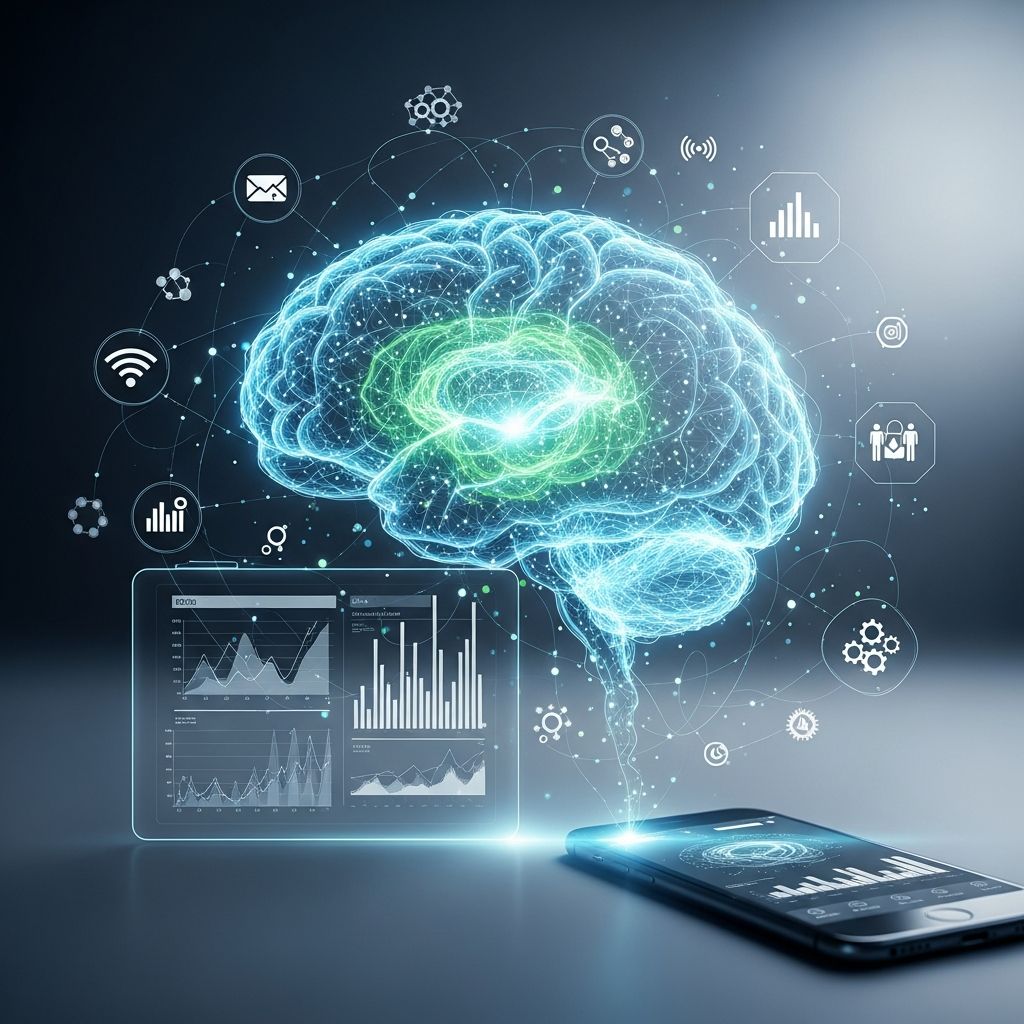
Technology has become a cornerstone of adolescent life, with smartphones and social platforms shaping daily interactions and experiences. While concerns about negative effects persist, emerging digital innovations offer substantial potential to advance our comprehension and management of youth mental health challenges. This article delves into the nuanced relationship between digital engagement and young minds, highlighting research-backed strategies and tools that promote positive outcomes.
The Evolving Landscape of Adolescent Digital Habits
Young people today navigate a world saturated with digital connectivity. Mobile devices and social media are ubiquitous, with usage patterns evolving rapidly. Studies indicate that while total screen time may not directly correlate with poorer mental health on a day-to-day basis, specific patterns of use—such as excessive social media engagement—warrant attention. For instance, intensive tracking of over 2,100 youth aged 11-15 revealed no consistent link between daily technology hours and worsened mood or anxiety symptoms.
Nevertheless, broader trends show adolescents spending unprecedented time online, raising questions about long-term impacts. The prefrontal cortex, crucial for impulse control and decision-making, remains underdeveloped in teens, potentially exacerbating addictive-like behaviors around apps and notifications. Recent WHO data from Europe underscores a surge in problematic social media use, climbing from 7% in 2018 to higher rates among teens, signaling a need for vigilant monitoring.
Unpacking the Myths and Realities of Tech’s Influence
Fears often outpace evidence when discussing technology’s toll on youth. Meta-analyses and cohort studies from 2014-2019, combined with real-time ecological momentary assessments (EMA), demonstrate weak average associations between screen time and depression or anxiety. No evidence emerged that higher daily tech use predicted worse mental health in representative samples.
Yet, vulnerabilities exist. Heavy social media consumption (over three hours daily) correlates with elevated anxiety, depression, and diminished life satisfaction. Platforms like TikTok and Instagram may foster compulsive checking and unfavorable comparisons, contributing to psychiatric risks. Surveys of those screening for mental health issues reveal young users (under 25) favor tech for entertainment but struggle with self-regulation, heightening concerns in at-risk groups.
- Key Finding: Time spent online does not uniformly harm; context and content matter more.
- At-Risk Patterns: Nighttime use, cyberbullying exposure, and passive scrolling amplify negative effects.
- Protective Factors: Active engagement, like creative content creation, may bolster well-being.
Leveraging Tech for Proactive Mental Health Monitoring
Beyond risks, digital tools enable unprecedented insights into youth mental states. Smartphone sensors and apps facilitate real-time data collection, allowing for early detection of distress signals. EMA studies exemplify this by prompting users multiple times daily to report mood alongside usage, yielding granular data unattainable through traditional surveys.
Research labs are pioneering informatics approaches to decode smartphone-social media interactions. By analyzing usage patterns, scientists identify precursors to depression, anxiety, and loneliness, informing timely interventions. Wearables integrated with AI further enhance this, tracking physiological markers like heart rate variability to predict mood shifts.
| Technology Type | Primary Function | Youth Mental Health Benefit |
|---|---|---|
| Smartphone Apps | EMA Surveys | Real-time mood tracking; no daily tech time-mental health link found |
| Wearables | Sensor Monitoring | Early detection of stress via biometrics |
| Social Media Analytics | Pattern Analysis | Identifies heavy use risks like anxiety spikes |
AI and Machine Learning: Pioneering Interventions
Artificial intelligence stands at the forefront of youth mental health innovation. Advanced algorithms process vast datasets to forecast mental states, enabling personalized support. Frontiers in research emphasize AI for early detection of depression, anxiety, and bipolar disorder through machine and deep learning models applied to user data.
AI-driven chatbots and virtual therapists deliver cognitive behavioral therapy (CBT) elements scalably. These tools offer 24/7 accessibility, crucial for adolescents hesitant to seek traditional help. Evidence suggests AI enhances outcomes in diverse contexts, though study quality varies—calling for rigorous evaluations. Explainable AI models further aid clinicians by clarifying decision pathways, building trust in automated recommendations.
- Generative AI for empathetic responses in crisis moments.
- Predictive analytics to preempt high-risk episodes.
- Integration with telehealth for hybrid care models.
Digital Platforms Bridging Access Gaps
Technology democratizes mental health resources, reaching youth in their natural environments. Online peer support networks, like mental health first aid programs, foster community without geographic barriers. Digital CBT adaptations have proven effective, scaling evidence-based care to underserved populations.
Remote monitoring via apps connects families, educators, and providers, reducing disparities. For vulnerable teens, virtual spaces provide instrumental support—countering isolation through anonymous interactions that replenish self-esteem post-exclusion. Interdisciplinary efforts, blending psychology, computer science, and youth culture expertise, are key to refining these platforms.
Navigating Risks: Guidelines for Healthy Digital Habits
To harness benefits while mitigating harms, structured guidelines are essential. Experts advocate limiting recreational screen time, especially before bed, and promoting balanced activities. Digital literacy programs teach critical evaluation of online content, curbing comparison-driven distress.
Parents and schools can enforce boundaries: no smartphones in bedrooms, prioritized sleep hygiene, and encouraged face-to-face connections. Policymakers should support age-appropriate platform designs, minimizing addictive features. Ongoing research will refine these, addressing neurobiological impacts on developing brains.
Ethical Considerations in Digital Mental Health
As adoption grows, ethical challenges arise. Data privacy, algorithmic bias, and over-reliance on tech demand scrutiny. Studies must prioritize diverse populations to avoid exacerbating inequities. Transparent methodologies ensure AI tools are reliable, with human oversight safeguarding vulnerable youth.
Balancing innovation with caution, stakeholders must collaborate on regulations that protect while promoting access. This holistic approach positions technology as an ally in youth mental health resilience.
Frequently Asked Questions
Does screen time directly cause mental health issues in teens?
No, research shows no strong day-to-day link between total tech use and poorer mental health; specific patterns like heavy social media matter more.
How can AI help with youth anxiety and depression?
AI enables early detection via predictive models and delivers personalized interventions like CBT chatbots, improving accessibility.
What are safe social media habits for adolescents?
Limit to under 3 hours daily, avoid nighttime use, focus on positive interactions, and balance with offline activities.
Can wearables detect mental health changes?
Yes, by monitoring biometrics like heart rate, they signal stress early, supporting timely support.
Is technology more harmful or helpful for youth mental health?
It depends on usage; risks exist with excess, but tools for monitoring and intervention offer net benefits when guided properly.
References
- Adolescent Mental Health in the Digital Age: Facts, Fears and Future Directions — Michelle E. Hall, Candice L. Odgers. 2021-06-11. https://pmc.ncbi.nlm.nih.gov/articles/PMC8221420/
- Advancing Digital Mental Health for Youth — Frontiers Research Topic. 2024 (accessed 2026). https://www.frontiersin.org/research-topics/66423/advancing-digital-mental-health-for-youth
- Technology and Mental Health Report — Mental Health America (MHA). 2023 (accessed 2026). https://mhanational.org/technology-mental-health-report/
- Smartphones, Social Media, and Their Impact on Mental Health — Columbia Psychiatry Sultan Lab. 2024 (accessed 2026). https://www.columbiapsychiatry.org/research/research-areas/child-and-adolescent-psychiatry/sultan-lab-mental-health-informatics/research-areas/smartphones-social-media-and-their-impact-mental-health
- The Impact of Social Media & Technology on Child and Adolescent Mental Health — PMC Article. 2024-10-01. https://pmc.ncbi.nlm.nih.gov/articles/PMC12165459/
- Teens, Screens and Mental Health — World Health Organization (WHO). 2024-09-25. https://www.who.int/europe/news/item/25-09-2024-teens–screens-and-mental-health
Similar Articles








Read full bio of Sneha Tete