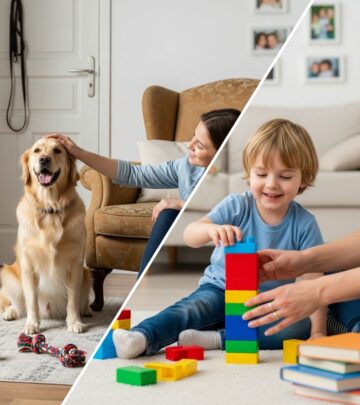
Early Language Foundations 0-6 Months: Key Milestones
Unlock your baby's innate language potential from birth through six months with simple, daily interactions that build lifelong communication skills.
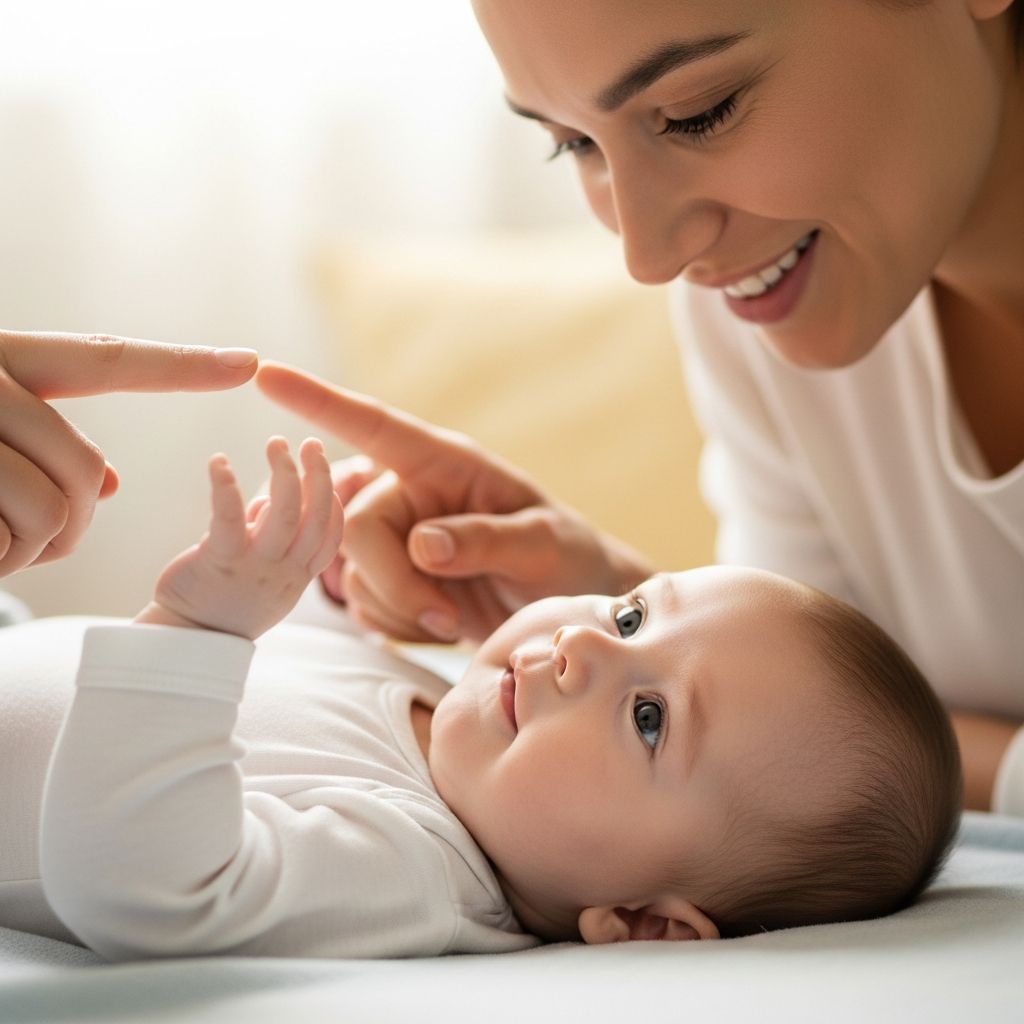
Early Language Foundations: 0-6 Months
From the moment of birth, babies embark on an extraordinary journey of language acquisition, laying the groundwork for all future communication. In the first six months, infants transition from instinctive cries to purposeful coos and babbles, responding to voices and sounds in ways that signal profound cognitive growth. This period is critical because it establishes neural pathways essential for speech, social bonding, and literacy later in life. Parents play a pivotal role by providing responsive, enriching interactions that amplify these natural developments.
The Science Behind Infant Language Emergence
Language learning in newborns is not merely imitation but an innate process driven by brain plasticity. Infants are born with a universal ability to distinguish all human speech sounds, which narrows over months as they attune to their native language. Research shows that by three months, babies prefer their mother’s voice and familiar melodies, demonstrating early selective listening. This phase coincides with rapid myelination in auditory pathways, enabling sharper sound discrimination.
Key neurological milestones include recognizing intonation patterns and associating sounds with emotions. For instance, a soothing tone calms a fussy baby, while a sharp one prompts alertness. These responses foster emotional regulation alongside linguistic skills, as vocalizations become tools for expressing needs. High-quality caregiver interactions during this window can enhance vocabulary growth by up to 20% by age two, underscoring the importance of early engagement.
Month-by-Month Milestones: Tracking Progress
Understanding typical benchmarks helps parents celebrate achievements and spot potential delays early. Below is a structured overview of speech and language milestones from birth to six months, drawn from pediatric guidelines.
| Age | Listening & Understanding | Vocalizations & Expression | Social Cues |
|---|---|---|---|
| Newborn-1 Month | Startled by loud noises; prefers human voices | Cries differently for hunger, pain; yawns | Turns toward faces; experiments with expressions |
| 2 Months | Turns to voices; recognizes familiar sounds | Cooing begins; smiles responsively | Gazes at speaker’s mouth; less jerky movements |
| 3 Months | Responds to tone changes; tracks sounds visually | Babbling starts; imitates some sounds | More facial expressiveness; chuckles |
| 4 Months | Localizes sounds; notices toys that rattle | Varied coos; different cries for needs | Responds to laughter; takes turns vocally |
| 5 Months | Recognizes name; follows intonation | Squeals, raspberries; mirrors emotions | Coos at mirror; reaches socially |
| 6 Months | Turns to named objects; understands ‘no’ | Babbles consonants (ba, ma); laughs fully | Takes conversational turns; shows joy/sadness |
These milestones vary slightly by child, but consistent progress indicates healthy development. By six months, most infants babble with varied pitch and volume, using voice to convey preferences.
Creating a Language-Rich Environment at Home
Daily routines offer endless opportunities to immerse babies in language. Narrate actions during diaper changes, baths, and feeds: ‘Now we’re washing your tiny toes!’ This builds associations between words and sensations. Face-to-face talking, with exaggerated expressions, captivates attention and models lip movements essential for later articulation.
- Respond promptly: Echo cries or coos to affirm communication attempts, teaching cause-and-effect.
- Use music: Sing repetitive lullabies; infants adore rhythm, which aids phonological awareness.
- Incorporate toys: Name objects during play, imitating baby’s sounds to label them (e.g., baby squeals at ball—’Yes, bouncy ball!’).
- Read early: Board books with high-contrast images encourage joint attention from two months.
- Limit screens: Prioritize human interaction over passive media for optimal brain wiring.
Variety matters—exposure to diverse tones, speeds, and volumes hones auditory processing. Multilingual homes thrive too, as babies adeptly separate languages early on.
Interactive Activities to Boost Vocal Play
Fun, low-effort games accelerate milestones. Peek-a-boo introduces object permanence alongside social bidding. Mirror time prompts self-discovery and sound imitation. For four-month-olds, raspberry contests elicit giggles and reciprocal blowing.
Try these age-specific activities:
- 0-3 Months: Gentle rocking with whispered rhymes; track a soft rattle across visual field.
- 3-6 Months: Call name from different directions; pause in songs for baby to ‘fill in’ with coos.
Consistency yields results—daily 10-minute sessions can double babble complexity by six months. Track progress in a journal to share with pediatricians.
Recognizing and Addressing Potential Delays
While most babies meet milestones, vigilance is key. Red flags by six months include no babbling, unresponsiveness to sounds, or lack of smiling/social engagement. Hearing loss affects 2-3 per 1,000 newborns, often detectable via newborn screens, but ongoing monitoring is vital.
Consult professionals if:
- Baby doesn’t turn to sounds by four months.
- No cooing/babbling by six months.
- Limited eye contact or smiling.
Early intervention, like speech therapy, dramatically improves outcomes—delays resolved before 12 months rarely persist. Pediatric visits at 2, 4, and 6 months include ASQ screenings for reassurance.
Beyond Six Months: Building Momentum
The first half-year sets the stage for explosive growth. By 12 months, first words emerge as babies combine babbles into jargon mimicking sentences. Continued talking expands receptive vocabulary to 50+ words, fueling expressive leaps. Nutrition (breast milk’s auditory benefits) and sleep support this trajectory.
Frequently Asked Questions
Does crying count as early language practice?
Absolutely—distinct cries convey nuanced needs, training vocal control and signaling skills from birth.
Should I worry if my 4-month-old doesn’t babble yet?
Slight variations are normal; monitor for other cues like cooing. Discuss at well-child visits.
How much talking is enough daily?
Aim for responsive chatter throughout routines—quality over quantity builds secure attachment.
Can TV help language growth?
No; interactive human talk outperforms screens. AAP recommends none under 18 months.
What if we’re bilingual?
Babies handle it seamlessly—use consistent exposure to each language.
Empowering Parents for Lifelong Communicators
Nurturing language from zero to six months is about connection—every coo answered strengthens bonds and brains. With intention and joy, parents equip infants for school readiness and beyond. Celebrate small victories; your voice is their first teacher.
References
- Speech/language skills: birth to 2 years — Children’s Hospital of Richmond. Accessed 2026. https://www.chrichmond.org/services/therapy-services/developmental-milestones/speechlanguage-skills-birth-to-2-years/
- Speech and language development from birth to 12 months — Great Ormond Street Hospital (NHS). Accessed 2026. https://www.gosh.nhs.uk/conditions-and-treatments/procedures-and-treatments/speech-and-language-development-birth-12-months/
- Developmental Milestones for Infants (0-6 months) — Coral Care. Accessed 2026. https://www.joincoralcare.com/developmental-guides/milestones-0-6-months-infants
- Language development: Speech milestones for babies — Mayo Clinic. 2023-10-12. https://www.mayoclinic.org/healthy-lifestyle/infant-and-toddler-health/in-depth/language-development/art-20045163
- 0-6 months — Speech and Language UK. Accessed 2026. https://speechandlanguage.org.uk/help-for-families/ages-and-stages/0-6-months/
- Baby’s first sounds: 0 to 6 months — NHS Best Start in Life. Accessed 2026. https://www.nhs.uk/best-start-in-life/baby/learning-to-talk/first-sounds-0-to-6-months/
- Supporting Language and Literacy Skills from 0-12 Months — Zero to Three. Accessed 2026. https://www.zerotothree.org/resource/supporting-language-and-literacy-skills-from-0-12-months/
Similar Articles







Read full bio of medha deb