Eco-Friendly Kids Apparel for School Season
Discover sustainable children's clothing brands prioritizing organic materials, ethical production, and durability for back-to-school wardrobes.
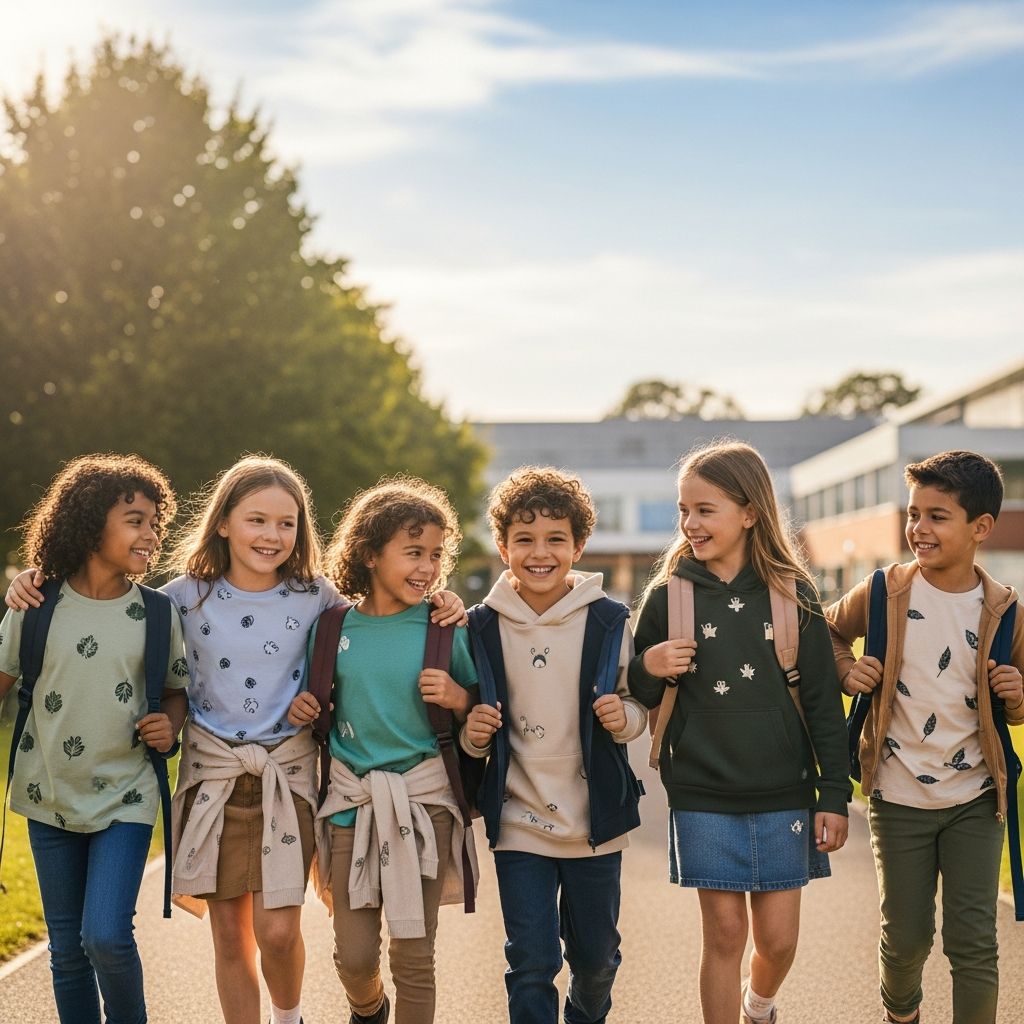
Parents seeking durable, comfortable clothing for their children often face the challenge of balancing style, affordability, and environmental impact. Sustainable kids’ apparel addresses this by using organic materials like GOTS-certified cotton, recycled fabrics, and ethical manufacturing processes. These choices reduce the fashion industry’s carbon footprint while providing long-lasting garments ideal for school routines, playtime, and growth spurts.
Why Choose Sustainable Clothing for Children
Children’s skin is more sensitive, making organic fabrics a safer option free from harmful pesticides and chemicals found in conventional cotton. Organic cotton production uses 91% less water and avoids toxic inputs, benefiting ecosystems and farm workers. Durability is another key advantage: high-quality sustainable pieces withstand frequent washing and rough play, reducing waste from fast fashion disposables.
- Health benefits: Hypoallergenic materials minimize irritation and allergies.
- Environmental impact: Lower water usage and no synthetic dyes preserve planetary resources.
- Economic value: Heirloom-quality items last multiple seasons or siblings.
Brands committing to fair trade and transparency ensure safe working conditions, aligning purchases with family values of responsibility and care.
Top Organic Cotton Essentials for Everyday School Wear
Organic cotton dominates sustainable kids’ clothing due to its softness and breathability. Leading brands craft tees, pants, and dresses from this versatile fiber, often certified by Global Organic Textile Standard (GOTS) for rigorous environmental and social criteria.
| Brand | Key Features | Age Range | Sustainable Highlights |
|---|---|---|---|
| Mini Rodini | Jackets, sweat sets, dresses | 0-11 years | GOTS organic cotton, playful designs |
| Little Green Radicals | Baby & kids outfits | 0-8 years | Fairtrade, GOTS certified |
| Jackalo | Tops, bottoms for active kids | Toddler-school age | 100% organic cotton, durable |
| Colored Organics | Activewear tops & bottoms | Infant-toddler | GOTS organic, artist designs |
These selections prioritize vibrant colors from natural dyes and modular designs that adapt as kids grow.
Innovative Recycled and Hemp-Based Options
Beyond cotton, innovative brands incorporate recycled polyester from plastic bottles and hemp, which grows with minimal water. Hemp is naturally antimicrobial and UV-resistant, perfect for outdoor school activities.
- Tentree: Plants 10 trees per item; uses sustainable blends for ages 1-5.
- Yeah Life: Hemp-organic-recycled mixes from solar-powered factories; unisex fun prints.
- SOW Kids: Everyday wear for movement and play with eco-fabrics.
Recycled materials divert landfill waste, with some brands offsetting production via renewable energy, making them frontrunners in circular fashion for youth.
Durable Activewear for School Sports and Recess
School days demand clothing that handles PE, recess, and after-school sports. Sustainable activewear from brands like Mightly offers Fair Trade Certified pieces in bright patterns, built for toughness without synthetic stretch overload.
Features to seek:
- Reinforced seams and double-stitching.
- Breathable, moisture-wicking organic blends.
- Tagless designs for comfort during long wear.
Hanna Andersson exemplifies longevity with ‘Hanna-me-down’ quality, using organic materials for self-dressing ease and adventure-ready fits.
Stylish Layers and Accessories for Seasonal Changes
Back-to-school timing varies by climate, so versatile layers matter. Sustainable hoodies, cardigans, and accessories from Mon Coeur and The Simple Folk provide joy-filled, responsible style.
| Category | Recommended Brands | Standout Pieces |
|---|---|---|
| Outerwear | Mini Rodini, Little Planet | Recycled jackets, organic raincoats |
| Swim & Play | Mon Coeur | Bold, lasting swimwear |
| Accessories | The Simple Folk | Hats, socks in organic knits |
These items transition seamlessly from classroom to playground, emphasizing timeless patterns over trends.
Building a Capsule Wardrobe with Ethical Brands
A capsule wardrobe maximizes versatility with 10-15 mix-and-match pieces. Focus on neutrals with pops of color from sustainable sources like Carter’s Little Planet, which uses GOTS organic and recycled materials for holdable gifts.
- Select 5 tops: tees, long-sleeves in organic cotton.
- 3-4 bottoms: joggers, shorts in hemp blends.
- 2-3 layers: hoodies, vests.
- Basics: underwear, socks from ethical producers.
- One special outfit for events.
This approach cuts laundry loads, extends garment life, and teaches kids mindful consumption.
How to Spot Truly Sustainable Kids’ Brands
Not all ‘green’ labels deliver. Verify certifications:
- GOTS: Covers fiber to final product.
- Fair Trade: Ensures worker rights.
- Oeko-Tex: Tests for harmful substances.
Check supply chain transparency and return policies favoring repairs over replacements. Avoid brands heavy on marketing without third-party audits.
Budgeting for Sustainable Back-to-School Buys
Sustainable doesn’t mean extravagant. Shop sales, bundles, and secondhand from brand resale programs. Initial investment yields savings via durability— one quality jacket outlasts three cheap ones.
- Prioritize multi-use items.
- Join newsletters for discounts.
- Opt for gender-neutral for hand-me-downs.
Frequently Asked Questions
Are sustainable kids’ clothes really more durable?
Yes, premium organic fabrics and ethical construction make them tougher against wear and tear compared to fast fashion.
What’s the best age to start with organic clothing?
From infancy, as babies have the most sensitive skin and highest chemical exposure relative to size.
Do these brands offer plus sizes or inclusive fits?
Many like Tentree and Jackalo provide extended sizing for diverse body types up to tween years.
How do I care for organic cotton garments?
Wash cold, air dry to preserve fibers; avoid fabric softeners that coat natural breathability.
Can sustainable clothes be stylish for school?
Absolutely—brands feature trendy prints and cuts using eco-dyes for vibrant, modern looks.
Future Trends in Youth Sustainable Fashion
By 2026, expect bio-based fabrics like mushroom leather and algae dyes alongside rental subscriptions for school uniforms. Innovations in repair kits and digital try-ons will further reduce waste, empowering parents to lead greener generations.
In summary, choosing eco-friendly kids’ apparel equips children for school success while stewarding the planet. Brands highlighted offer proven quality, merging fun with responsibility.
References
- Organic Cotton Production Facts — Textile Exchange. 2024-10-15. https://textileexchange.org/knowledge-center/reports/organic-cotton-market-report-2024/
- GOTS Certification Standards — Global Organic Textile Standard. 2025-01-20. https://global-standard.org/the-standard/gots-standard.html
- Fair Trade Principles for Apparel — Fairtrade International. 2024-05-12. https://www.fairtrade.net/standard/apparel
- Sustainable Children’s Clothing Market Analysis — Grand View Research. 2025-03-08. https://www.grandviewresearch.com/industry-analysis/sustainable-childrens-clothing-market
- Impact of Organic Fibers on Child Health — Pediatric Environmental Health Specialty Unit, Health Canada. 2023-11-30. https://www.canada.ca/en/health-canada/services/environmental-workplace-health/reports-publications/pollution-waste-management/organic-cotton-child-health.html
Similar Articles





Read full bio of Sneha Tete