Emotional Growth in Infants: Birth to 6 Months
Discover how babies develop emotions from birth to 6 months and practical ways parents can nurture their little one's feelings.
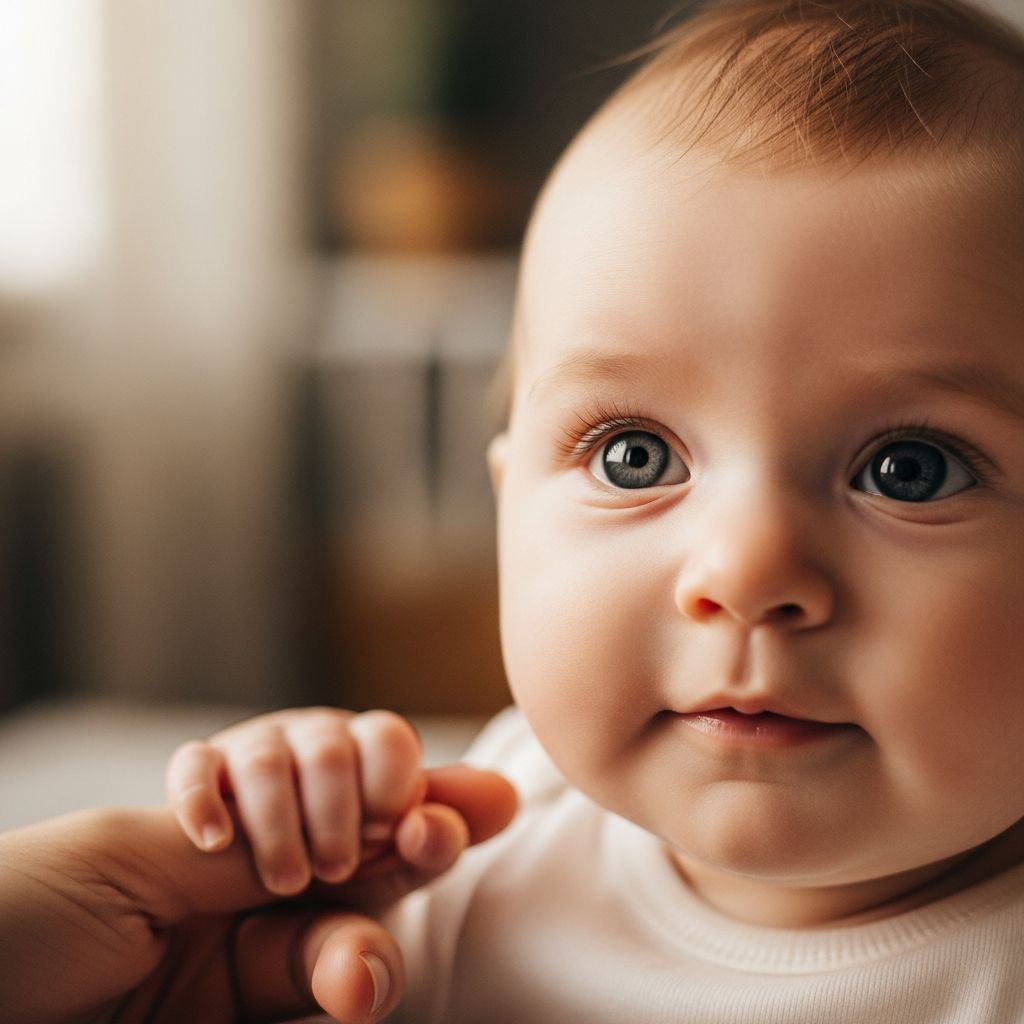
From the moment of birth, infants embark on a remarkable journey of emotional development, laying the foundation for lifelong social and emotional health. During the first six months, babies transition from instinctual responses to more nuanced expressions of feelings, forming crucial bonds with caregivers. This period is critical as it shapes their sense of security and ability to interact with the world. Understanding these stages empowers parents to respond effectively, promoting resilience and empathy.
Understanding the Foundations of Baby Emotions
Emotional development in newborns begins with basic reflexes tied to survival, such as crying for needs like hunger or discomfort. By responding promptly and consistently, caregivers build trust, helping babies feel safe in their environment. Research from the Centers for Disease Control and Prevention highlights that by 6 months, most infants recognize familiar faces and enjoy self-reflection in mirrors, indicating emerging self-awareness. This foundational trust, often called attachment, influences how children manage stress later in life.
Infants’ brains are wired to detect emotional tones in voices early on. A soothing voice calms them, while raised tones may trigger distress, showing their sensitivity to social cues. Over these months, babies learn that their signals elicit care, fostering a secure base from which they explore.
Key Milestones by Age Group
Emotional growth unfolds progressively. Here’s a breakdown of typical milestones from birth to 6 months, drawn from pediatric guidelines.
Newborn to 3 Months: Building Trust and Recognition
- Calms when held or spoken to, associating caregiver presence with comfort.
- Turns toward familiar voices and quiets in response to gentle interaction.
- Displays reflexive smiles around 6-8 weeks, evolving into social smiles by 2 months that invite engagement.
- Cries distinctly for different needs, like hunger or tiredness, prompting parental attunement.
During this phase, babies primarily communicate through cries and gaze, relying on parents to interpret and meet their emotional needs. Consistent responsiveness helps them internalize a sense of reliability[10].
3 to 6 Months: Emerging Social Engagement
- Smiles spontaneously to gain attention and laughs in response to playful interactions.
- Recognizes familiar people and shows preference for primary caregivers.
- Reacts to strangers with caution or distress, marking the onset of stranger anxiety.
- Uses arms to signal desire to be picked up and may protest separation.
- Begins understanding object permanence, like knowing a toy exists when hidden.
By 6 months, infants often reach for comfort objects, self-soothe with thumbs or toys, and mimic facial expressions, demonstrating growing emotional regulation. These strides reflect improved brain connectivity between hemispheres, enhancing coordination of emotions and actions.
How Parental Interactions Shape Emotional Skills
Parents play a pivotal role as co-regulators of emotions. Holding, cuddling, and talking during awake times reinforces love and security. For instance, mimicking a baby’s coos or squeals mirrors their joy, teaching emotional reciprocity. Activities like peek-a-boo introduce brief separations and reunions, building tolerance for absence and trust in return.
Observing temperament—whether a baby is calm or fussy—allows tailored responses. Quiet rocking for the sensitive infant or energetic play for the active one matches their style, reducing stress. Exposure to varied faces and routines with trusted adults expands their comfort zone gradually.
| Approach | Actions for 0-3 Months | Actions for 3-6 Months |
|---|---|---|
| Comfort | Respond to cries with gentle holding and eye contact | Acknowledge separation distress with reassuring words |
| Play | Sing simple songs during feeds | Engage in mirror play and toy passing |
| Teach | Name emotions during interactions (“You’re happy!”) | Demonstrate expressions like surprise or joy |
This table adapts evidence-based methods to daily routines, promoting emotional literacy.
Recognizing and Supporting Self-Soothing
Around 4-6 months, babies discover self-soothing techniques, such as thumb-sucking or clutching a lovey. Encouraging these builds independence without neglect. If distressed by new tastes, they might spit or grimace, expressing preferences clearly. Parents can validate by offering alternatives, teaching that feelings are acknowledged.
Distress from separation peaks here; short, predictable goodbyes with a familiar caregiver ease transitions. Babies also respond to “no” around 6 months, grasping simple cause-and-effect in social contexts.
Activities to Boost Social and Emotional Bonds
- Mirror Time: Let baby see their reflection to foster self-recognition and giggles.
- Reading Aloud: Point to pictures and use expressive voices to link words with emotions.
- Outdoor Strolls: Expose to new sights and sounds, narrating to build curiosity.
- Skin-to-Skin Contact: During feeds or cuddles, enhancing attachment hormones[10].
- Peek-a-Boo Variations: Hide face with hands or cloth to practice object permanence.
These low-cost activities integrate into routines, yielding high developmental returns.
Red Flags and When to Seek Help
While variations are normal, consult a pediatrician if by 6 months your baby shows no social smiles, doesn’t respond to name, or lacks eye contact. Persistent irritability without soothing or absence of babbling may signal delays. Early intervention, per CDC guidelines, optimizes outcomes.
Frequently Asked Questions (FAQs)
At what age do babies start laughing?
Around 4 months, babies laugh at playful tickles or faces, a sign of joy recognition.
Why does my 6-month-old cry when I leave the room?
This separation anxiety is normal, reflecting strong attachment; reassure with routines.
How can I help my baby manage frustration?
Model calm, offer safe objects for exploration, and respond empathetically to build regulation[10].
Is stranger anxiety a problem?
No, it’s a healthy milestone around 6-9 months, showing social discernment.
What if my baby doesn’t smile socially by 2 months?
Discuss with your doctor; most do by then, but tracking ensures timely support.
Long-Term Benefits of Early Emotional Nurturing
Investing in these months yields dividends: secure infants often become confident toddlers with better peer skills and emotional control. Studies affirm that responsive caregiving correlates with lower anxiety risks later[10]. As babies near 6 months, their babbling and gestures evolve into proto-conversations, paving the way for language and empathy.
Every interaction counts—your warmth turns moments into milestones. By attuning to cues and providing consistent love, you equip your infant for a emotionally rich life.
References
- 6 months old: Emotional development — Naître et grandir. 2023. https://naitreetgrandir.com/en/step/0-12-months/development/6-months/baby-6-months-emotional-development/
- Baby Development at 4-6 Months — Children’s Hospital of Orange County (CHOC). 2024-01-15. https://choc.org/ages-stages/4-to-6-months/
- Social-Emotional Development: Infants and Toddlers, Lesson 2 — Virtual Lab School. 2021. https://www.virtuallabschool.org/infant-toddler/social-and-emotional-development/lesson-2
- Developmental Milestones: 0 to 6 Months — Nationwide Children’s Hospital. 2023-05-10. https://www.nationwidechildrens.org/family-resources-education/health-wellness-and-safety-resources/helping-hands/developmental-milestones-0-to-6-months.html
- Infant development: Milestones from 4 to 6 months — Mayo Clinic. 2024-08-20. https://www.mayoclinic.org/healthy-lifestyle/infant-and-toddler-health/in-depth/infant-development/art-20048178
- Milestones by 6 Months — Centers for Disease Control and Prevention (CDC). 2023-11-01. https://www.cdc.gov/act-early/milestones/6-months.html
- Birth to 12 Months: Social-Emotional Development — ZERO TO THREE. 2022. https://www.zerotothree.org/resource/birth-to-12-months-social-emotional-development/
Similar Articles







Read full bio of Sneha Tete