Emotional Wisdom from Inside Out for Families
Discover how Inside Out movies teach kids and parents to embrace all emotions for healthier minds and stronger bonds.
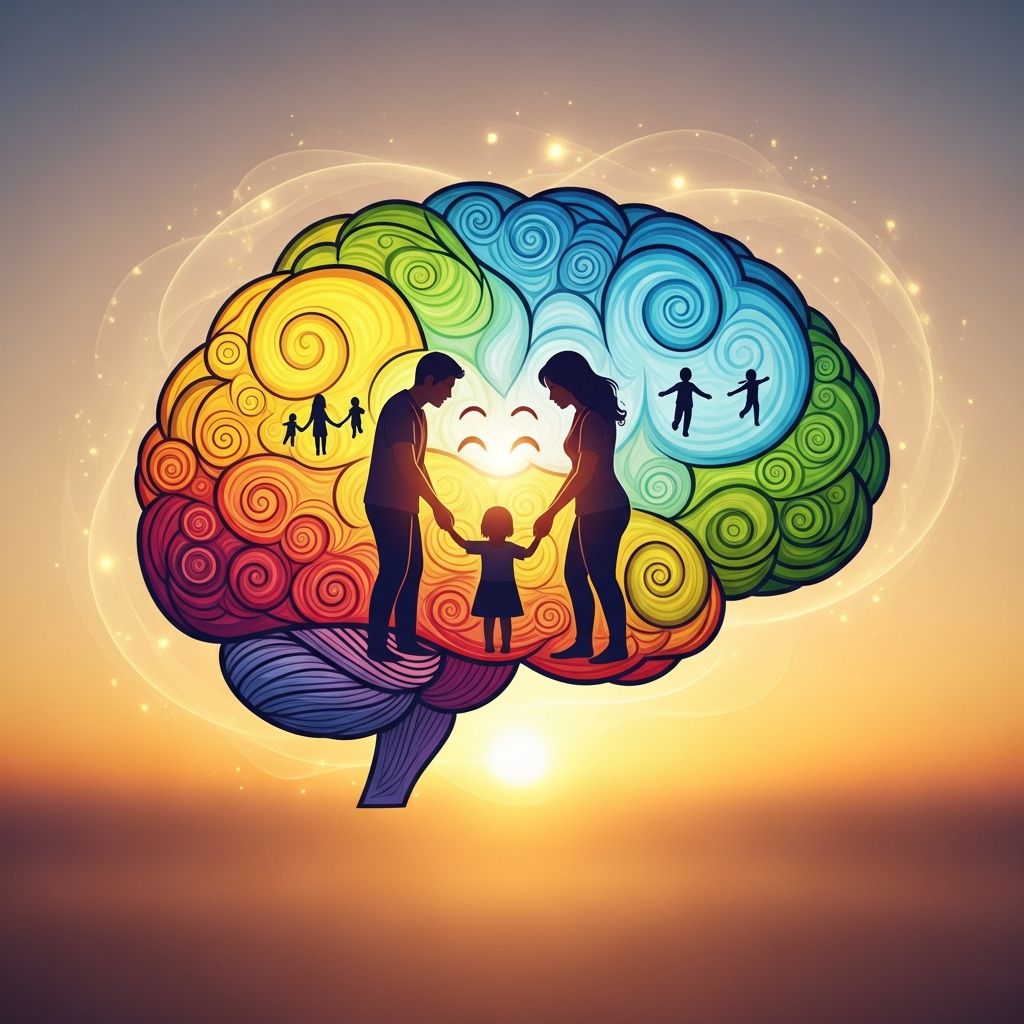
The Inside Out films offer a captivating window into the human mind, personifying emotions as colorful characters that guide a young girl’s life. These stories reveal how feelings like joy, sadness, fear, anger, disgust, and later anxiety shape decisions, memories, and growth. For families, they provide timeless teachings on emotional balance, encouraging both children and parents to value every emotion rather than chasing constant positivity.
Understanding the Emotional Control Center
In the movies, Riley’s brain operates like a bustling headquarters where emotions take turns at the console, influencing her reactions to life’s ups and downs. Joy initially dominates, aiming to keep everything upbeat, but the narrative shows that true well-being comes from collaboration among all feelings. This mirrors real psychology: emotions form a team, each serving unique purposes in processing experiences.
Parents can use this concept to explain to kids why they feel mixed emotions during tough times, like moving or losing a game. Discussing the ‘console’ helps children see their feelings as helpful guides, not enemies to battle.
The Vital Role of Sadness in Building Connections
Sadness often gets sidelined, but the first film demonstrates its power to deepen relationships. When Riley reflects on a disappointing hockey moment, her sadness draws compassion from parents and friends, turning pain into a cherished core memory. This illustrates how vulnerability fosters empathy and support networks.
Suppressing sadness, as Joy first attempts by confining it, leads to emotional chaos—much like real-life strategies that heighten anxiety or depression. Instead, allowing sadness space promotes healing and stronger bonds. Families can practice this by sharing ‘sad stories’ at dinner, normalizing tears as a path to comfort.
- Identify sad moments from the day without judgment.
- Express what the sadness signals, like needing a hug.
- Notice how sharing brings closeness.
Navigating Joy’s Limits and True Happiness
Joy’s relentless positivity starts as heroic but reveals flaws when life complicates. Forcing happiness ignores other emotions’ wisdom, leading to shallow contentment. The film culminates in Riley finding deeper happiness by integrating sadness, fear, and anger—choosing family over running away.
This teaches that happiness encompasses a spectrum, not just glee. Parents might ask kids: “What makes you happy beyond laughter?” Activities like journaling mixed feelings build this awareness, aligning with research on emotional regulation.
Teen Emotions: Welcoming Anxiety and Beyond
Inside Out 2 expands Riley’s emotional console to puberty, introducing Anxiety, Envy, Ennui, and Embarrassment. Anxiety races to protect by overplanning, but unchecked, it spirals into panic attacks—depicting racing hearts and self-doubt accurately.
These new emotions highlight adolescence’s complexity, where old memories resurface with fresh layers. Leaders and parents learn to integrate them, treating anxiety as a signal rather than a threat. Riley’s growth comes when all emotions unite to support her ‘sense of self,’ embracing vulnerability for acceptance.
| Emotion | Role in Teen Life | Healthy Response |
|---|---|---|
| Joy | Keeps motivation high | Balance with realism |
| Sadness | Processes loss | Share for support |
| Anxiety | Prepares for risks | Mindful breathing |
| Envy | Highlights desires | Gratitude practice |
Practical Tools for Emotional Growth at Home
Families can draw from the films for daily practices. Emotion coaching, a five-step method, validates feelings, labels them, and problem-solves together—building intelligence from toddlers to teens.
Mindfulness exercises, like observing feelings without judgment, mirror Riley’s console moments. Daily check-ins create safe spaces: “What emotion is leading today?” This cultivates self-awareness and resilience.
- Label emotions: Use film characters to name feelings.
- Validate all: No emotion is ‘bad.’
- Explore purpose: What does it teach?
- Integrate: Let them collaborate.
- Reflect: Celebrate growth.
Memory Making and Emotional Layers
Core memories glow with dominant emotions but evolve. A joyful memory gains depth from sadness, showing memories aren’t fixed. In the sequel, stress revives old ones, urging integration over suppression.
As trauma therapists note, burying ‘bad’ memories backfires; acknowledging them aids healing. Parents guide kids by revisiting family memories, discussing layered feelings to build positive narratives.
Building Resilience Through Acceptance
True resilience emerges when emotions hold the sense of self together, as in Riley’s anxiety climax. This acceptance counters suppression’s risks, like increased depression.
For parents, modeling this—sharing vulnerabilities—teaches kids self-compassion. Connection thrives when we permit full emotional expression, reshaping self-talk positively.
Family Activities Inspired by the Films
Turn movie nights into lessons:
- Emotion Charades: Act out feelings for naming practice.
- Console Console: Kids direct a sibling’s reactions using characters.
- Memory Map: Draw family events with color-coded emotions.
- Anxiety Toolkit: Practice breathing during simulated worries.
These engage SEL principles, fostering intelligence and resilience.
Frequently Asked Questions
How can Inside Out help my child with big feelings?
It personifies emotions, making abstract concepts tangible and teaching balance over suppression.
Is sadness really helpful?
Yes, it elicits support and deepens memories, essential for empathy and growth.
What about anxiety in Inside Out 2?
Anxiety protects but needs integration; vulnerability and acceptance calm it.
How do parents model emotional health?
Share feelings openly, validate kids’, and use coaching steps for connection.
Can these lessons apply to adults?
Absolutely—emotional integration aids leadership, stress management, and self-awareness.
These films transcend entertainment, equipping families with tools for emotional literacy. By embracing the full spectrum, parents nurture resilient, empathetic children ready for life’s console shifts.
References
- Four Lessons from “Inside Out” to Discuss With Kids — Greater Good Science Center at UC Berkeley. 2015-07-10. https://greatergood.berkeley.edu/article/item/four_lessons_from_inside_out_to_discuss_with_kids
- Leadership Lessons from the Film “Inside Out Two” — CE Options. 2025-01-15. https://ceoptions.com/2025/01/leadership-lessons-from-the-film-inside-out-two/
- Lessons in Emotional Intelligence from Inside Out 2 — Dr. Laura Mraz. 2024-06-20. https://drlauramraz.com/lessons-in-emotional-intelligence-from-inside-out-2/
- Inside Out 2 and Emotion Coaching — The Gottman Institute. 2024-07-01. https://www.gottman.com/blog/inside-out-2-and-emotion-coaching/
- Inside Out 2: Emotional Intelligence and Lessons for Personal Growth — The Soulful Psych. 2024-08-05. https://thesoulfulpsych.com.au/inside-out-2-emotional-intelligence-and-lessons-for-personal-growth/
Similar Articles








Read full bio of Sneha Tete