Endurance Lessons: 9 Ironman Training Tips For Races
Unlock extreme endurance secrets from Iron Cowboy to transform your workouts into unstoppable performance.
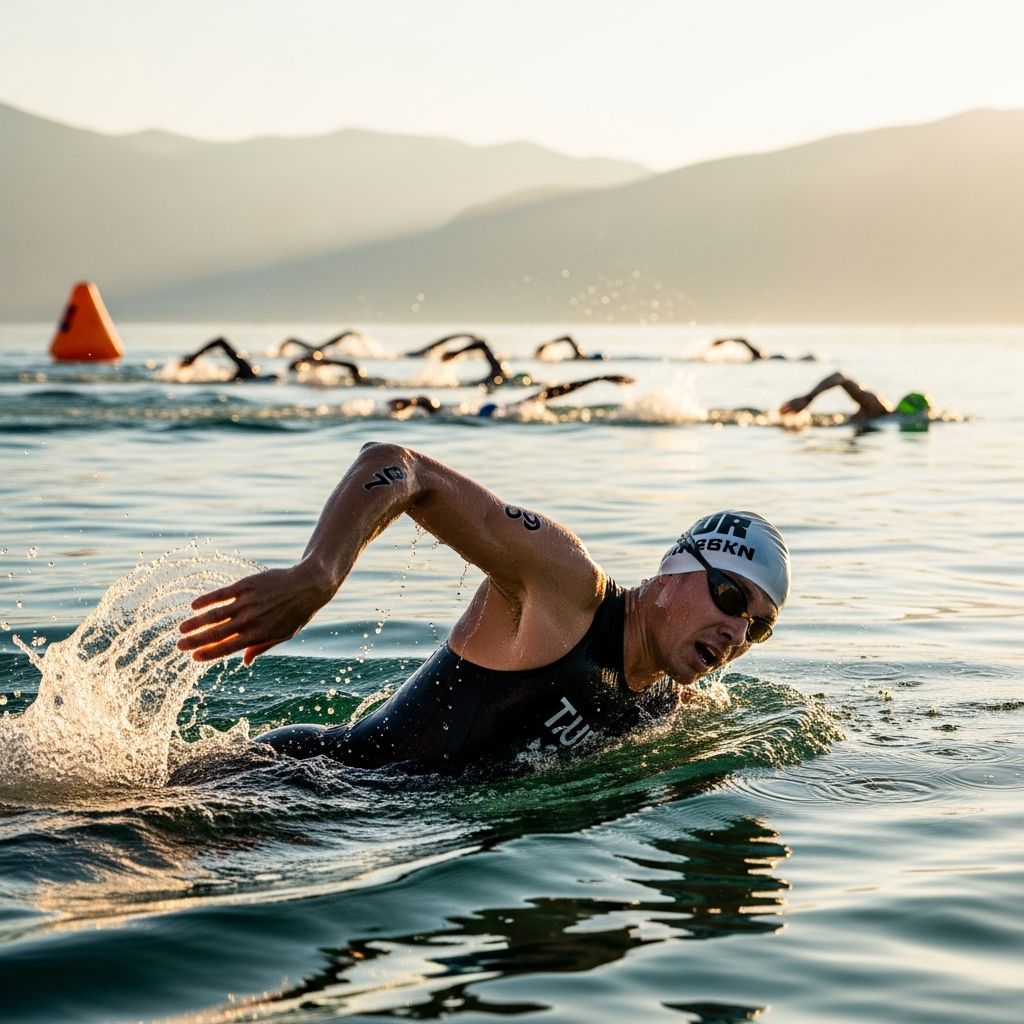
Endurance Lessons from Ironman Mastery
Building the kind of stamina required for ultra-endurance events like the Ironman triathlon demands more than just physical effort—it requires smart strategies, mental toughness, and consistent habits. Drawing inspiration from athletes who have completed grueling challenges such as 100 Ironman-distance triathlons in a year, this guide breaks down actionable insights to elevate your training. Whether you’re a beginner eyeing your first race or a seasoned athlete seeking breakthroughs, these principles focus on sustainable progress, injury prevention, and peak performance.
Foundations of Ultra-Endurance Training
Ultra-endurance sports push the human body to its limits, combining swimming, cycling, and running over 140.6 miles. Success hinges on a solid base of aerobic capacity, muscular resilience, and recovery protocols. Start by assessing your current fitness level through a simple test: a 30-minute time trial in your weakest discipline to gauge heart rate zones and pacing.
- Aerobic Base Building: Dedicate 80% of training to low-intensity sessions in Zone 2 (conversational pace), fostering fat adaptation and mitochondrial efficiency.
- Progressive Overload: Increase volume by no more than 10% weekly to avoid burnout, incorporating periodized cycles of build, peak, and recovery.
- Cross-Training: Mix disciplines to reduce overuse injuries—swim for recovery, cycle for leg strength, run for specificity.
According to Mayo Clinic guidelines, a balanced routine starts slow, integrating cardio, strength, and flexibility to build activity into daily life. This mirrors elite approaches where consistency trumps intensity early on.
Optimizing Swim Technique for Long-Distance Efficiency
Swimming 2.4 miles in open water demands streamlined technique over raw power. Focus on body position: keep your head neutral, hips high, and rotate from the core for propulsion. Drills like catch-up stroke and fingertip drag refine pull mechanics, reducing drag by up to 20%.
| Drill | Purpose | Sets/Reps |
|---|---|---|
| Catch-Up Stroke | Improves timing and extension | 4x50m |
| Single-Arm Freestyle | Enhances rotation and balance | 6x25m per arm |
| Fist Drill | Strengthens forearm pull | 4x100m |
Incorporate pull buoys to isolate upper body while preserving leg freshness for the bike. PureGym recommends mixing compound movements for full-body engagement, adaptable to pool work. Open-water practice builds sighting skills—every 10 strokes, lift head briefly to navigate buoys.
Cycling Strategies for Century Rides and Beyond
Cycling 112 miles requires cadence optimization (85-95 RPM), proper bike fit, and nutrition timing. Invest in a professional fit to align cleats, saddle height, and handlebar reach, minimizing power loss from poor posture. Train with structured rides: tempo efforts for threshold power, long steady-state for endurance.
- Hill Repeats: 5×5 minutes at 105% FTP with full recovery to build climbing strength.
- Aero Positioning: Practice tucked posture on flats, monitoring heart rate to avoid early fatigue.
- Nutrition on Bike: Consume 60-90g carbs/hour via gels and bars, hydrating with electrolytes every 15 minutes.
Healthline emphasizes warming up with dynamic stretches like leg swings before sessions to prime muscles. Track metrics via power meters or apps to quantify progress, adjusting for weather and terrain.
Running Smart: From Marathon Pace to Ironman Finish
The marathon leg tests cumulative fatigue—aim for negative splits by conserving energy early. Strengthen with gym work: squats, lunges, and deadlifts for posterior chain resilience. Women’s Health suggests variations like pulse squats to target stabilizers.
Key run workouts include:
- Long Runs: 2-3 hours at aerobic pace, practicing race fueling.
- Intervals: 8x400m at 5K pace with jog recovery for speed endurance.
- Brick Sessions: Bike-to-run transitions to adapt to lead legs.
Network Health advises proper squat form—knees tracking toes, chest up—to protect joints. Foam roll daily and prioritize sleep for tendon recovery.
Fueling the Ultra-Endurance Engine
Nutrition sustains output across 8-17 hours. Pre-race: carb-load 3-4g/kg bodyweight daily for glycogen stores. During: alternate liquid calories (sports drinks) with solids to combat GI distress. Post-race: 20-30g protein within 30 minutes, per Women’s Health protein guidelines.
| Phase | Macros | Example |
|---|---|---|
| Pre-Workout | Carbs + Protein | Oatmeal with banana, eggs |
| Intra-Workout | 60g Carbs/Hour | Gels + Electrolyte mix |
| Recovery | 1:4 Protein:Carbs | Shake with whey, fruit |
Hydration tip: Weigh pre/post-training; replace 150% fluid loss. Mayo Clinic stresses recovery time between intense sessions.
Mental Fortitude: Mastering the Mind in Endurance
Mental resilience separates finishers from DNFs. Use visualization: rehearse dark moments like mile 20 runs. Mantras like “one stroke at a time” anchor focus. Break races into segments—swim buoys, bike aid stations—for achievability.
- Practice discomfort in training: cold swims, headwind bikes.
- Build a “why”—personal motivation fuels grit.
- Reframe pain as process, tracking sessions mentally.
Injury Prevention and Recovery Protocols
Prevent overuse with mobility work: yoga flows for hips, thoracic stretches for shoulders. Strength train 2x/week: planks, bridges per PureGym core routines. Monitor for red flags—persistent pain warrants rest.
Recovery stack:
- Sleep: 8-9 hours nightly.
- Active Recovery: Easy swims or walks.
- Tools: Compression, ice baths, massage guns.
Healthline advises listening to your body, incorporating rest days.
Sample Weekly Training Plan for Ironman Build
| Day | Workout | Duration/Intensity |
|---|---|---|
| Monday | Easy Swim + Core | 45min Zone 2 + 20min strength |
| Tuesday | Bike Intervals | 90min with 4x8min tempo |
| Wednesday | Run + Mobility | 60min steady + yoga |
| Thursday | Long Bike | 3-4 hours endurance pace |
| Friday | Rest or Easy Run | 30min shakeout |
| Saturday | Long Run | 2.5 hours with nutrition practice |
| Sunday | Brick + Recovery Swim | 2hr bike/45min run + 30min easy |
Adapt based on feedback, scaling for beginners by halving volumes.
Frequently Asked Questions
How do I start Ironman training as a beginner?
Begin with 6-12 months lead time, focusing on base building 3-4 days/week using full-body plans like those from PureGym. Consult a coach for personalization.
What’s the biggest mistake in endurance training?
Overtraining without recovery—Mayo Clinic warns against ignoring rest, leading to injury.
How much should I eat during an Ironman?
Target 200-300 calories/hour, prioritizing carbs and hydration as per Healthline tips.
Can I train for Ironman with a full-time job?
Yes—prioritize quality sessions early mornings or evenings, stacking doubles on weekends.
How do I improve mental toughness?
Expose yourself to controlled stress in training and use positive self-talk, building resilience gradually.
References
- Fitness program: 5 steps to get started — Mayo Clinic. 2023-10-15. https://www.mayoclinic.org/healthy-lifestyle/fitness/in-depth/fitness/art-20048269
- The Best Gym Workout Plans for Beginners — PureGym. 2024-05-20. https://www.puregym.com/blog/the-best-gym-workout-plans-for-beginners/
- Beginner Workout Tips: How To Start Exercising And Stick With It — Women’s Health. 2024-08-12. https://www.womenshealthmag.com/fitness/a65611670/how-to-start-working-out-beginner-tips/
- How to Start Exercising: A Beginner’s Guide to Working Out — Healthline. 2024-03-10. https://www.healthline.com/nutrition/how-to-start-exercising
- The Ultimate Beginner’s Guide to Fitness — Network Health. 2020-07-15. https://networkhealth.com/grow-in-the-know/2020/07/ultimate-guide-to-beginners-fitness
Similar Articles








Read full bio of medha deb