Fun Learning Activities for 5-Year-Olds
Discover creative, educational play ideas to boost your 5-year-old's skills in language, motor development, and imagination at home.
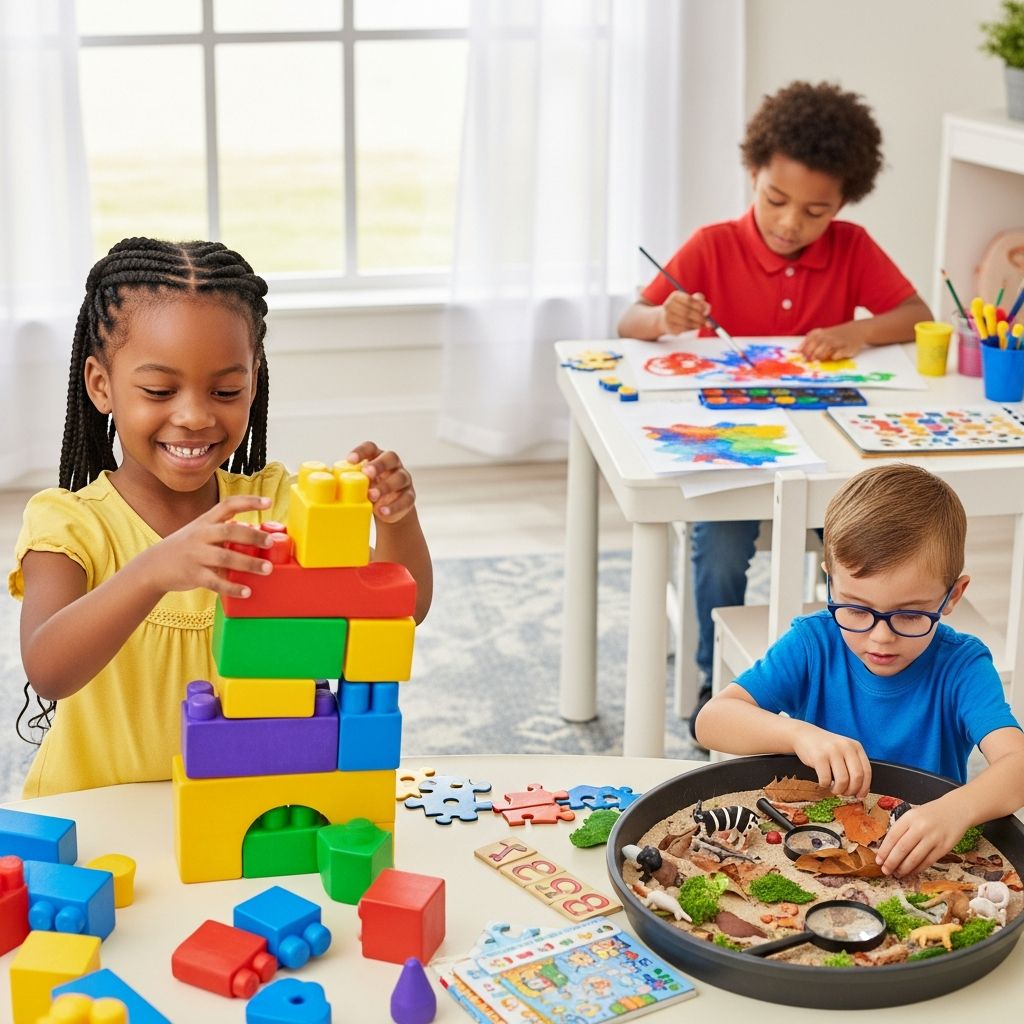
At age five, children are bursting with curiosity and energy, making it the perfect time to introduce activities that blend play with purposeful learning. These years lay the foundation for school success by enhancing language, fine and gross motor skills, problem-solving, and social-emotional growth. Parents and caregivers can easily set up engaging experiences at home using everyday items, turning ordinary moments into opportunities for discovery. This guide offers fresh, practical ideas categorized by focus areas, ensuring a balanced approach to development.
Building Language and Literacy Foundations
Language skills at this age evolve rapidly, with children grasping sounds, rhymes, and basic reading concepts. Activities that emphasize phonics and listening sharpen auditory discrimination and vocabulary, preparing kids for formal reading instruction.
- Sound Hunt Adventures: Transform a simple walk into a phonetic treasure hunt. Call out initial sounds like /s/ for snake or /m/ for mouse, challenging your child to spot matching objects in the room or yard. This builds sound awareness and observation skills.
- Rhyme Relay Races: Line up toys or pictures representing words that rhyme, such as cat-hat-mat. Have your child run to select pairs while reciting them aloud. It combines physical movement with word pattern recognition.
- Story Sound Puppets: Craft puppets from socks or paper bags, assigning each a distinct sound or letter. During storytelling, puppets ‘speak’ only words starting with their sound, encouraging active listening and participation.
These games not only make phonics exciting but also foster confidence in verbal expression. Research from early childhood education highlights how playful sound manipulation predicts stronger reading proficiency later.
Enhancing Listening and Following Directions
Five-year-olds thrive on games that test memory and instruction comprehension, crucial for classroom settings. Structured play here develops focus and sequential thinking.
- Direction Dance-Off: Play music and issue multi-step commands like ‘spin twice, clap three times, then freeze.’ Increase complexity to match their growing attention span.
- Instrument Echo Challenges: Use household items as makeshift instruments—spoons for clacks, pots for bangs. Play a short sequence; your child mirrors it exactly, honing auditory memory.
- Role-Play Scenarios: Set up pretend shops or doctor offices with props. Give verbal cues for actions, like ‘First greet the customer, then count the money,’ promoting empathy and rule-following.
Such activities mirror real-life social interactions, building patience and cooperation. Consistent practice strengthens neural pathways for executive function.
Hands-On Manipulatives for Fine Motor Mastery
Fine motor development supports writing and self-care tasks. Tactile tools engage small muscles in the hands and fingers through repetitive, creative motions.
| Activity | Materials Needed | Skills Targeted |
|---|---|---|
| Magnetic Spelling Boards | Magnetic letters, cookie sheet | Letter recognition, spelling basics |
| Puzzle Building Challenges | Age-appropriate jigsaws (20-50 pieces) | Spatial reasoning, perseverance |
| Dough Shape Creations | Playdough, shape cutters | Pinch strength, creativity |
| Texture Treasure Digs | Bin with rice/beans, hidden objects | Grasping, sensory description |
Rotate these weekly to maintain interest. For instance, hide letters in a rice bin for dual literacy-motor practice. These manipulatives encourage persistence, as children learn to manipulate pieces methodically.
Sensory Exploration for Sensory Integration
Sensory play stimulates multiple senses, aiding emotional regulation and cognitive processing. It’s ideal for kinesthetic learners who absorb information through touch and movement.
- Texture Pathway Walks: Tape varied materials—fabric scraps, foil, sandpaper—to the floor. Blindfolded or not, kids walk and describe sensations, expanding descriptive language.
- Bubble Wrap Symphony: Layer bubble wrap under paper; kids pop patterns while naming shapes formed. Combines sound, touch, and visual patterning.
- Nature Sensory Jars: Fill jars with leaves, pebbles, water, and glitter. Shake and observe changes, discussing properties like sink/float.
These experiences calm overstimulated kids while igniting curiosity. Sensory-rich environments support brain development in areas like the parietal lobe, responsible for touch processing.
Outdoor Adventures for Gross Motor and Nature Connection
Being outdoors boosts vitamin D, mood, and large muscle coordination. Fresh air activities combat screen fatigue and encourage unstructured exploration.
- Color Quest Expeditions: Create a rainbow checklist; hunt for natural items matching each hue. Discuss shades and sources, tying into science basics.
- Obstacle Nature Courses: Use logs, rocks, and hoops for crawling, balancing, jumping. Time runs or add counting for math integration.
- Leaf Rubbing Galleries: Collect leaves; rub crayons over them on paper. Compare vein patterns and colors, fostering artistic appreciation.
Aim for 60 minutes daily outdoors. Studies affirm nature play enhances attention restoration and physical health.
Creative Construction and Imaginative Play
Building fosters engineering intuition and storytelling. Open-ended toys spark innovation without rigid rules.
- Block City Blueprints: Provide blocks and vehicles; challenge building themed structures like zoos. Narrate the ‘tour’ to practice sequencing.
- Costume Creation Stations: Old clothes, hats, markers for customizing outfits. Act out professions, expanding career awareness.
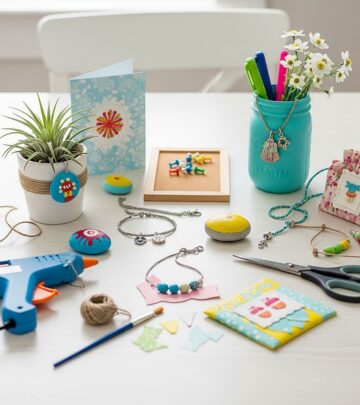
- Pop-Up Book Making: Fold paper into simple pop-ups; draw scenes from favorite tales. Enhances narrative skills and fine motor precision.
Imagination play correlates with advanced problem-solving; let kids lead to maximize benefits.
Integrating Reading into Daily Routines
Daily read-alouds model fluency and comprehension. Interactive twists make stories memorable.
- Act-Along Tales: Pause books for kids to mimic actions or voices, deepening engagement.
- Book-Inspired Builds: After reading about farms, construct models with recyclables.
- Pop-Up Predictions: Before turning pages, guess outcomes based on clues, sharpening inference.
Picture and pop-up books captivate visually, building lifelong reading habits.
Frequently Asked Questions
How often should I do structured activities with my 5-year-old?
Aim for 20-30 minutes daily, balanced with free play to avoid burnout. Flexibility keeps it enjoyable.
Are these activities suitable for groups?
Yes, adapt for siblings or playdates—turn hunts into teams or rotate leadership in games.
What if my child loses interest quickly?
Shorten sessions, rotate themes weekly, or add timers for excitement. Follow their cues.
Can screen-based activities supplement these?
Use sparingly; opt for interactive apps mirroring physical play, limiting to 30 minutes daily.
How do I track progress?
Observe improvements in focus, vocabulary, or dexterity. Journal anecdotes for milestones.
Implementing these activities creates joyful learning routines. Variety ensures holistic growth, setting a strong stage for kindergarten. Tailor to your child’s interests for optimal engagement.
References
- Activities for Five-Year-Olds — The School House. 2023. https://www.theschoolhouse.org/post/activities-five-year-olds
- 11 Fun Learning Activities for Children Ages 4 to 5 — International School of Pennsylvania. 2024. https://isp.edu.pa/blog/activities-for-children-ages-4-to-5/
- The 15 Best Activities for Children to Help Them Learn Through Play — Sitters.co.uk. 2023. https://www.sitters.co.uk/blog/the-15-best-activities-for-children-to-help-them-learn-through-play.aspx
- 15 Games to Play at Home with Kids Ages 3-5 — United Way of Central Florida. 2024. https://uwcf.org/15-games-to-play-at-home-with-kids-ages-3-5/
- Developmental Milestones for 5-Year-Olds — Centers for Disease Control and Prevention (CDC). 2025-01-15. https://www.cdc.gov/ncbddd/actearly/milestones/milestones-5yr.html
Similar Articles







Read full bio of Sneha Tete