Essential Childproofing Guide for Family Homes
Comprehensive strategies to safeguard your home and protect curious young explorers from everyday hazards.
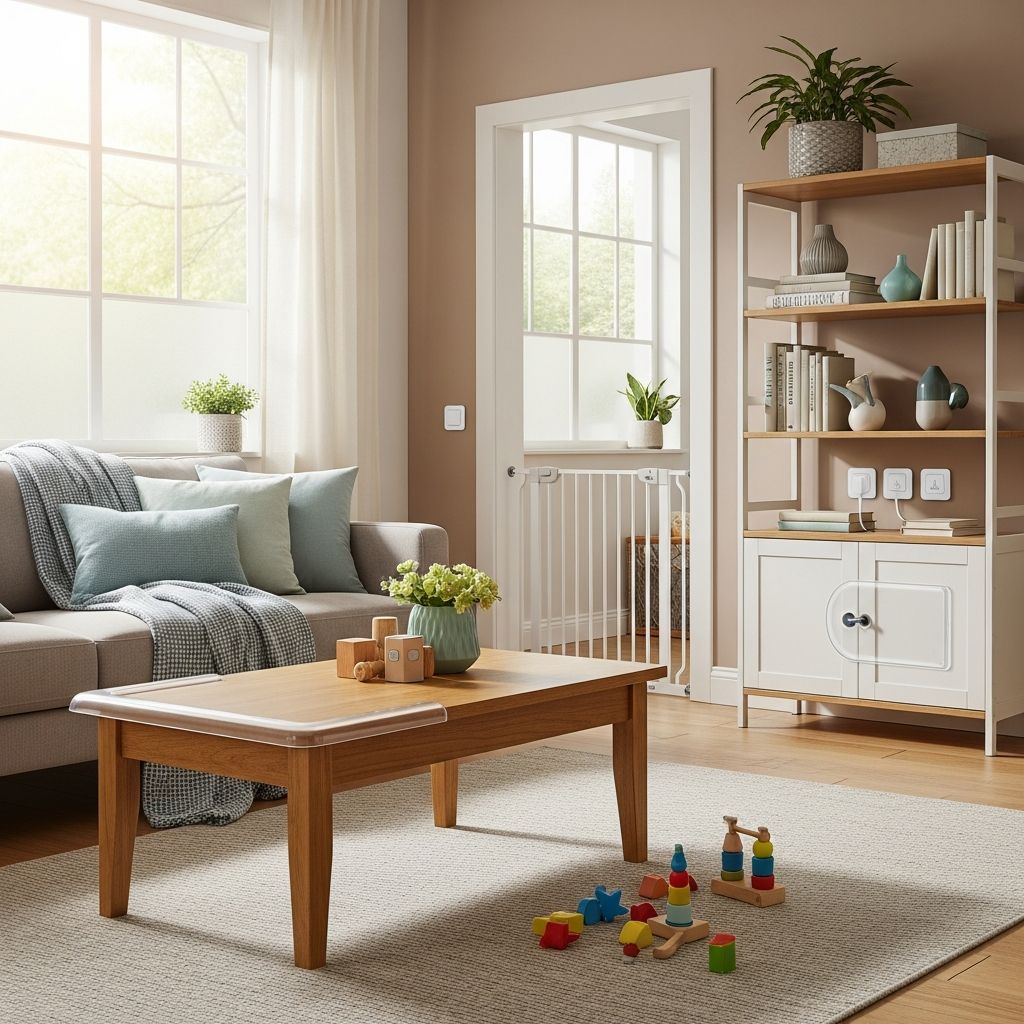
Creating a safe living space for young children requires proactive measures tailored to their developmental stages. As babies begin to roll, crawl, and toddle, everyday household items can pose serious threats. This guide outlines proven strategies to mitigate common dangers, drawing from pediatric and safety expert recommendations. Implementing these steps not only reduces accidents but also allows parents to focus on joyful family moments.
Understanding Child Development and Safety Timing
Childproofing should commence before mobility emerges, ideally around four to six months when infants start reaching and grasping. By six months, many babies roll over, and by nine months, crawling introduces new exploration risks. Toddlers at one year old climb stairs and open cabinets, escalating the need for barriers. Starting early prevents rushed installations during chaotic growth spurts. Experts emphasize layering protections: supervision remains paramount, but physical safeguards provide essential backups.
Assess your home systematically, prioritizing high-risk areas like stairs, kitchens, and bathrooms. Involve all household members in the process to ensure consistent adherence. Regular checks, especially after guests visit or furniture rearranges, maintain ongoing safety.
Securing Furniture and Heavy Objects
Tip-overs from unsecured furniture cause thousands of injuries annually, with televisions and dressers being primary culprits. Anchor all tall or heavy items—bookshelves, entertainment centers, dressers, and appliances—to wall studs using brackets, straps, or L-brackets. This is critical even in playrooms or bedrooms where children spend significant time.
For TVs, mount them securely or place on low, stable surfaces with anchors. Move furniture away from windows to deter climbing. In living areas, coffee tables with sharp edges warrant padding or corner guards to cushion falls. These simple interventions dramatically lower injury risks as children become more active.
- Identify tip-prone items: Anything taller than it is wide.
- Use furniture straps rated for child safety; avoid adhesive-only solutions.
- Test anchors by applying firm pressure to simulate child pulling.
Electrical Safety Measures
Electrical outlets tempt curious fingers, potentially leading to shocks or burns. Cover all unused outlets with sliding plate covers or tamper-resistant plugs, which are harder for children to remove than basic caps. These options prevent access while allowing adult use.
Manage cords from blinds, lamps, and appliances by securing them high or using cord shorteners and wraps. Keep electronics out of reach to avoid pulling hazards. In kitchens, install stove knob covers to block accidental activation, and use rear burners when cooking with mobile kids nearby.
| Area | Recommended Protection | Why It Matters |
|---|---|---|
| Living Room | Sliding outlet covers, cord wraps | Prevents shocks and strangulation |
| Kitchen | Stove knob guards, appliance anchors | Avoids burns and tip-overs |
| Bedroom | Outlet plugs, cord management | Safeguards sleep and play spaces |
Preventing Falls with Gates and Barriers
Baby gates are indispensable for confining movement. Opt for hardware-mounted gates at stair tops and bottoms for unyielding security; pressure-mounted versions suffice for doorways. Ensure gates meet safety standards with no more than 2-3/8 inches between bars to prevent head entrapment.
Block access to kitchens, bathrooms, and fireplaces during unsupervised play. For expansive areas, expandable gates create safe zones. Always check gate stability and avoid accordion-style models with V-shaped openings that risk clothing snags.
Kitchen and Dining Area Protections
Kitchens harbor sharp knives, hot surfaces, and toxic cleaners. Install safety latches on lower cabinets storing hazardous items; reserve low drawers for safe play like plastic bowls and spoons to satisfy curiosity.
Anchor microwaves and small appliances. Use appliance latches on ovens and refrigerators. Sweep floors daily for dropped food or small objects that pose choking risks. Designate a ‘yes space’—a child-accessible cabinet with harmless utensils—for independent exploration.
- Cabinet latches: Magnetic or strap-style for easy adult access.
- Drawer stops: Prevent full extension and tipping.
- Table edge padding: Essential for dining areas.
Bathroom Safeguards Against Drowning and Slips
Bathrooms demand rigorous childproofing due to water-related risks. Install toilet lid locks to block splashing attempts. Use non-slip mats inside tubs and on surrounding floors to counter slippery surfaces.
Secure cabinets with latches hiding cleaners and medicines. Add doorknob covers to restrict entry. Supervise baths within arm’s reach, using age-appropriate tub inserts. Keep water heaters below 120°F to prevent scalds. For medicine cabinets, relocate contents to locked high shelves.
Bedroom and Nursery Essentials
A safe sleep space starts with a bare crib: firm mattress fitting snugly, no pillows, blankets, or bumpers until age one per CPSC guidelines. Position cribs away from windows, cords, and furniture.
Lower mattress as baby sits up. Anchor changing tables and dressers. Use mesh liners on crib sides if needed, but prioritize minimalism to reduce suffocation. Nightlights should be cool-touch and cord-free.
Window, Door, and Outdoor Hazards
Windows require guards or stops limiting openings to 4 inches, with quick-release for emergencies. Avoid placing furniture beneath for climbing prevention. Door knob covers halt escapes; hinge pinch guards protect fingers.
For patios or pools, install self-closing, self-latching gates at least 4 feet high. Alarms on doors add alerts. Check for lead paint in older homes, especially pre-1978 structures.
Eliminating Choking and Poisoning Risks
Small objects fitting through a toilet paper roll are choke hazards; keep floors clear and toys age-appropriate. Store medications, cleaners, alcohol, and batteries in locked boxes high up. Avoid button batteries, which cause severe internal burns if swallowed.
Lock firearms separately from ammo. Designate toy storage as open bins to prevent entrapment. Educate older siblings on toy cleanup.
Emergency Preparedness and Ongoing Vigilance
Childproofing complements, not replaces, supervision. Learn CPR, Heimlich, and first aid; post emergency numbers including poison control (1-800-222-1222). Conduct monthly safety audits and update as children grow.
Teach family rules like no unsupervised pool access. For travel, pack portable gates and outlet covers.
Frequently Asked Questions
When should I start childproofing my home?
Begin at four months or before birth, ramping up as mobility increases around six to nine months.
Are outlet plugs enough for electrical safety?
Sliding covers are superior as they resist removal and allow easy adult access.
How do I secure furniture effectively?
Use wall straps to studs; test by tugging firmly to mimic child force.
What about plants and cords?
Keep toxic plants out of reach and bundle cords short or inaccessible.
Is professional installation necessary for gates?
Hardware-mounted stair gates benefit from it, but DIY works with proper tools.
References
- Baby Proofing Checklist: How to Create a Safe Home for Your Child — Wee Care Pediatrics. 2023-05-15. https://weecarepediatrics.com/baby-proofing-checklist/
- Baby Proofing Your Home: Complete Safety Checklist — UC Davis Health (YouTube). 2023-08-10. https://www.youtube.com/watch?v=lOT4fgXgZx8
- How to Childproof Your Home: Safety Tips for New Parents — Matrix Insurance Solutions. 2026-01-20. https://www.matrixinssolutions.com/blog/2026/01/how-to-childproof-your-home-safety-tips-for-new-parents
- Babyproofing at Home: Your Baby Safety Checklist — Consumer Reports. 2024-03-12. https://www.consumerreports.org/babyproofing/babyproofing-checklist-baby-safety-guide-a3304634900/
- An ER Doctor’s Childproofing Checklist — Babylist. 2023-11-05. https://www.babylist.com/hello-baby/doctor-childproofing-checklist
- Childproofing Your Home — National Safety Council. 2024-02-28. https://www.nsc.org/community-safety/safety-topics/child-safety/childproofing-your-home
- Childproofing and Preventing Household Accidents — KidsHealth.org. 2025-01-15. https://kidshealth.org/en/parents/childproof.html
Similar Articles








Read full bio of medha deb