Essential Insights into Male Fertility
Unlock key facts about male reproductive health to boost conception chances and overall well-being for aspiring parents.
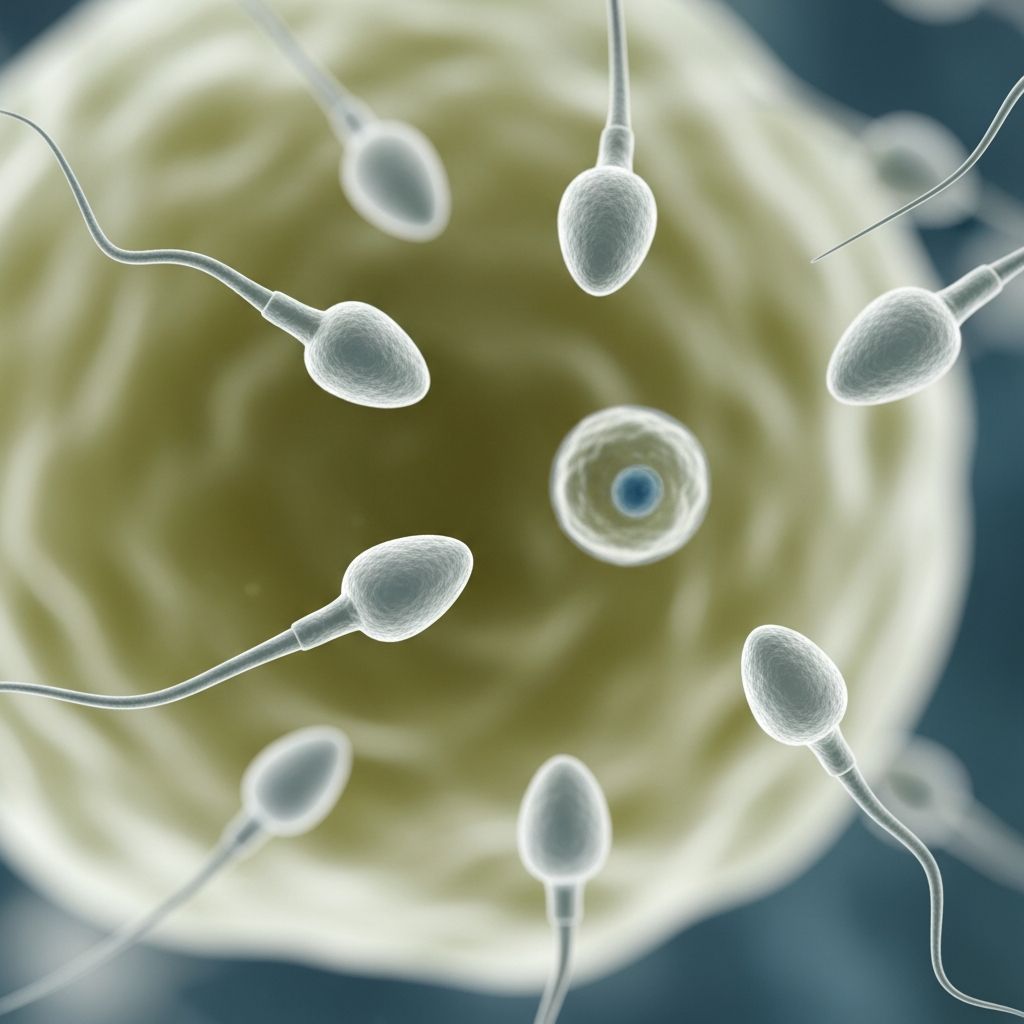
Male fertility plays a pivotal role in conception, yet it remains under-discussed compared to female factors. Understanding its nuances can significantly enhance a couple’s chances of success when trying to build a family. This comprehensive guide delves into the science, myths, and actionable steps surrounding male reproductive health.
Understanding the Scope of Male Infertility
Male infertility contributes to nearly half of all couples struggling to conceive, affecting about 1 in 6 couples globally. In developed countries, sperm counts have declined by approximately 50% over recent decades, signaling a growing concern linked to lifestyle, environment, and health shifts. Conditions like low sperm count (oligospermia), poor motility, and abnormal morphology hinder sperm’s ability to reach and fertilize an egg.
Key parameters for sperm health include count (at least 15 million per milliliter), motility (ability to swim effectively), and morphology (normal shape). Disruptions in these can stem from various sources, making early awareness crucial.
Primary Causes Disrupting Sperm Production
Several medical conditions underlie male infertility. Varicocele, swollen veins around the testicles, affects about 15% of men and impairs sperm quality, often treatable surgically. Blockages in sperm pathways, hormonal imbalances from excess weight or pituitary issues, genetic anomalies like chromosomal abnormalities, and infections in the prostate or epididymis also play roles.
- Varicocele: Dilated veins overheating testicles, reducing sperm production.
- Hormonal Imbalances: Low testosterone or excess estrogen halting spermatogenesis.
- Genetic Factors: Y-chromosome deletions or DNA fragmentation in sperm.
- Infections: Untreated STIs or urinary tract issues scarring reproductive ducts.
These factors often present without symptoms, underscoring the need for proactive screening.
The Impact of Aging on Male Reproductive Potential
While men lack a menopause equivalent, fertility wanes after age 40. Sperm quality diminishes, with lower counts, reduced motility, and higher DNA damage. Partners of men over 40 face elevated miscarriage risks and offspring may have increased chances of autism, schizophrenia, or childhood cancers. Freezing sperm in younger years offers a mitigation strategy for future family planning.
| Age Group | Sperm Count Decline | Associated Risks |
|---|---|---|
| Under 40 | Minimal | Lower miscarriage rates |
| 40-50 | Moderate (20-30% drop) | Higher genetic issues |
| Over 50 | Significant (>50% drop) | Increased autism, cancer risks |
Lifestyle Choices That Shape Sperm Quality
Daily habits profoundly influence fertility. Moderate exercise (150 minutes weekly of walking, cycling, or swimming) boosts circulation and hormones without overtaxing the body. Excessive workouts, however, can elevate stress hormones, disrupting testosterone.
Sleep patterns matter too: 7-7.5 hours nightly optimizes semen volume and count. Oversleeping (>9 hours) correlates with 39.5% lower counts, while undersleeping (<6.5 hours) reduces them by 25.7%. Night shifts further impair fertility via circadian disruption.
Dietary Strategies for Optimal Fertility
Nutrition directly affects sperm. Processed meats lower count and quality, while fish (salmon, tuna) enhance it. Prioritize antioxidants from berries, vegetables, whole grains, nuts, and lean proteins; limit soy, sugars, red meats, and trans fats to combat obesity-linked infertility.
- Boosters: Fish, berries, nuts, leafy greens.
- Avoid: Processed meats, excess soy, sugary drinks.
Environmental and Behavioral Risk Factors
Toxins like heavy metals, pesticides, and plastics (BPA) damage sperm DNA during its 72-day maturation. Smoking reduces count by 20-30%, alcohol lowers testosterone, and marijuana impairs motility. Heat exposure from saunas, laptops on laps, or tight underwear elevates scrotal temperature, inhibiting production. Opt for boxers over briefs for better ventilation.
Stress triggers erectile dysfunction and suppresses the hypothalamic-pituitary-testicular axis, essential for reproduction. Rare signs like anosmia (loss of smell) may indicate Kallmann Syndrome, a treatable hormonal deficiency.
Navigating Semen Analysis and Diagnosis
A semen analysis is straightforward: provide a sample after 2-5 days abstinence, assessed for volume, count, motility, and morphology. It’s non-invasive, often home-collectible, and repeatable for accuracy. Abnormal results prompt further tests like hormone panels, ultrasounds for varicoceles, or genetic screening.
- Abstain 2-5 days.
- Collect full sample.
- Lab analysis within hours.
- Consult specialist for interpretation.
Proven Ways to Enhance Male Fertility
Lifestyle tweaks yield results in 3 months. Maintain ideal weight (BMI 18.5-24.9), quit smoking, limit alcohol (<14 units/week), and manage stress via meditation or yoga. Supplements like zinc, folate, CoQ10, and antioxidants show promise, but consult physicians. Antioxidants combat oxidative stress, a key sperm damager.
Surgical fixes for varicoceles or blockages restore flow in many cases. Hormone therapy addresses deficiencies effectively.
Frequently Asked Questions (FAQs)
What percentage of infertility cases involve male factors?
Up to 50% of infertile couples have male contributions, with 30-40% solely male-factor.
Does age affect men’s ability to conceive?
Yes, after 40, sperm quality declines, raising miscarriage and genetic risks.
How long does it take for lifestyle changes to improve sperm?
About 3 months, matching the sperm production cycle.
Is semen analysis painful?
No, it’s a simple sample collection and lab test.
Can diet really boost sperm count?
Yes, fish and antioxidants improve parameters; processed meats harm them.
What if tests show low sperm count?
Treat underlying causes like varicoceles or hormones; IVF/ICSI may assist.
Steps for Couples Trying to Conceive
Track ovulation, time intercourse every 2-3 days, and both partners optimize health. If under 35, try 12 months; over 35 or known issues, seek help after 6 months. Male evaluation includes history, exam, and semen analysis early.
Reproductive health mirrors overall vitality—addressing it benefits longevity. Couples should approach jointly, reducing stigma and enhancing outcomes.
References
- Male infertility – Symptoms and causes — Mayo Clinic. 2023-10-05. https://www.mayoclinic.org/diseases-conditions/male-infertility/symptoms-causes/syc-20374773
- Male Infertility: What Every Man Should Know — Stony Brook Medicine. 2024-01-15. https://health.stonybrookmedicine.edu/male-infertility-what-every-man-should-know/
- Male infertility 10 common questions — Fertility Centers of Illinois. 2023-08-20. https://www.fcionline.com/article/male-infertility-common-questions/
- 10 Surprising Facts About Male Infertility — Healthgrades. 2023-11-12. https://resources.healthgrades.com/right-care/fertility-and-conception/10-surprising-facts-about-male-infertility
- Understanding Male Fertility: 8 Essential Tips to Boost Your Reproductive Health — Olive Fertility. 2024-02-28. https://www.olivefertility.com/blog/understanding-male-fertility-8-essential-tips-to-boost-your-reproductive-health-2
Similar Articles








Read full bio of medha deb