Essential Life Skills for Positive Child Behavior
Discover key life skills that foster good behavior, emotional resilience, and independence in children from toddlerhood to adolescence.
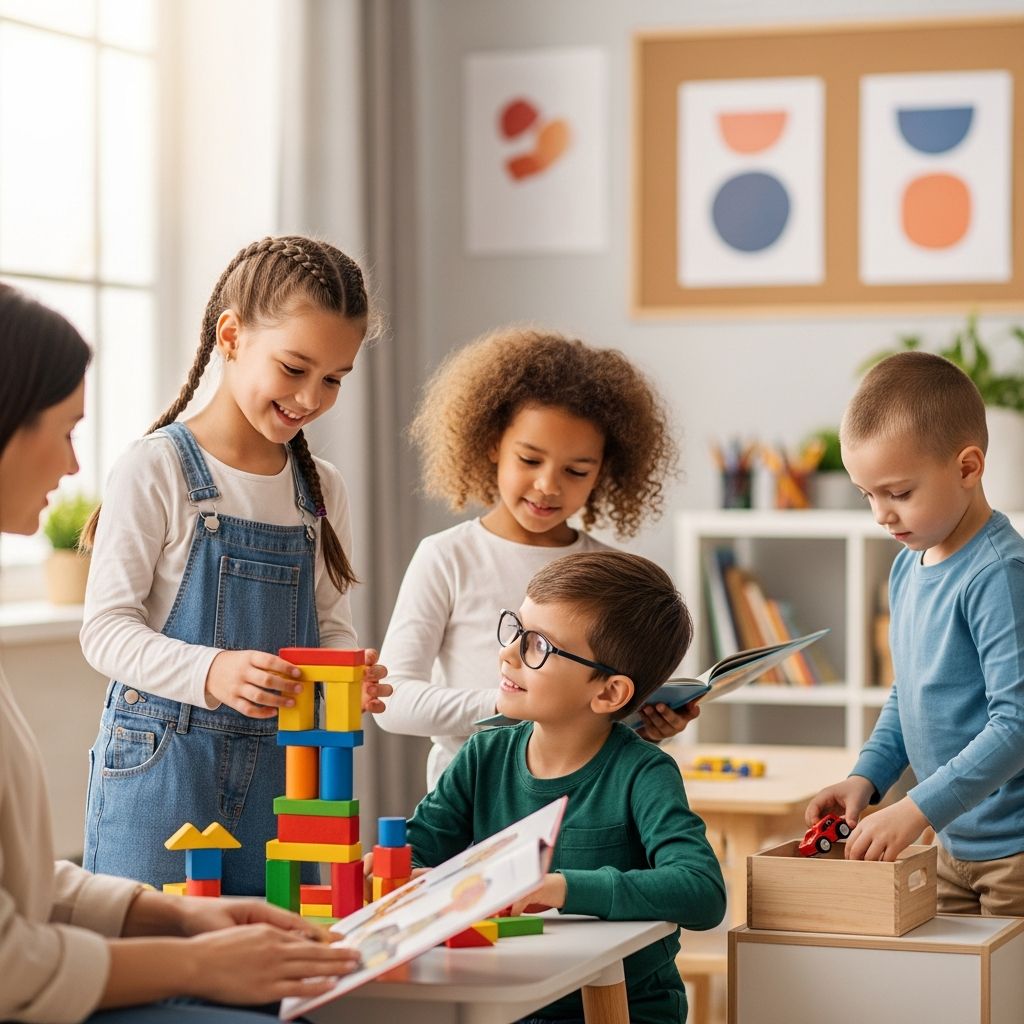
Developing core life skills in children is fundamental to cultivating positive behavior patterns that last a lifetime. These abilities enable kids to navigate social interactions, manage emotions, solve problems, and make responsible choices, reducing misbehavior and building confidence. Drawing from established child development frameworks, this article outlines practical strategies for parents to instill these skills through daily routines and intentional guidance.
Understanding the Foundation of Good Behavior
Positive child behavior stems from a combination of emotional regulation, social awareness, and cognitive abilities. Organizations like UNICEF, UNESCO, and WHO emphasize ten universal life skills—such as problem-solving, critical thinking, decision-making, and coping with emotions—that apply across all ages and cultures. Similarly, the Harvard Center on the Developing Child highlights planning, focus, self-control, awareness, and flexibility as critical for youth success. By prioritizing these, parents help children thrive in school, relationships, and future careers.
Ellen Galinsky’s research in Mind in the Making identifies seven key skills: focus and self-control, perspective-taking, communication, making connections, critical thinking, taking on challenges, and self-directed learning. These skills form the bedrock of self-regulation, often referred to as executive function, which children build through practice rather than innate talent.
Building Focus and Self-Control
**Focus and self-control** are the cornerstones of disciplined behavior. Children with strong self-control can delay gratification, follow routines, and resist impulsive actions, leading to fewer tantrums and better compliance.
- Establish daily schedules: Predictable routines provide security and teach impulse management. Discuss the day’s plan, like ‘First breakfast, then playtime,’ to set expectations.
- Incorporate quiet activities: Reading, puzzles, or sensory play in a distraction-free zone builds attention span. In a world of constant stimuli, these moments train the brain’s executive functions.
- Use visual aids: Charts for chores or timers for transitions help young ones internalize structure without constant reminders.
Research shows routines enhance focus by activating the prefrontal cortex, responsible for self-regulation. Parents modeling calm responses during frustration further reinforces this skill.
Mastering Effective Communication
**Communication skills**—verbal, nonverbal, and listening—are vital for expressing needs appropriately and resolving conflicts peacefully. Poor communication often underlies misbehavior like yelling or withdrawal.
Teach children to:
- Practice ‘meet and greet’: Eye contact, polite greetings, and turn-taking in conversations build social ease.
- Active listening: Dedicate distraction-free time daily to hear your child’s thoughts, modeling reflection like ‘It sounds like you’re upset because…’
- Nonverbal cues: Discuss body language, tone, and facial expressions to read social signals accurately.
Daily interactions with attentive adults accelerate these skills, fostering empathy and reducing aggressive outbursts. By age 5, children practicing this can articulate feelings, minimizing frustration-driven behaviors.
Fostering Critical Thinking and Problem-Solving
**Critical thinking and problem-solving** empower children to analyze situations, weigh options, and decide independently, curbing reliance on parents and promoting accountability.
| Age Group | Activities | Benefits |
|---|---|---|
| Toddlers (2-4) | Simple sorting (toys by color), choosing outfits | Builds decision-making confidence |
| Preschool (4-6) | Open-ended play, board games, ‘what if’ questions | Encourages hypothesis testing |
| School-age (6+) | Role-playing scenarios, puzzles, group projects | Develops perseverance through trial/error |
Through play, kids hypothesize, experiment, and learn from mistakes—key to resilience. Encourage questioning: ‘What could we try next?’ to spark analytical habits.
Cultivating Resilience Through Challenges
**Taking on challenges** builds resilience, the ability to rebound from setbacks. Children who view failure as learning opportunities exhibit fewer behavioral issues.
- Balance structure and freedom: Provide safety nets for ‘healthy risks’ like tree-climbing or new hobbies.
- Praise effort: ‘You kept trying—that’s awesome!’ shifts focus from outcomes to process.
- Model persistence: Share your own stories of overcoming obstacles to normalize struggle.
Resilience training reduces emotional meltdowns by teaching emotional coping. Harvard notes flexibility in thinking enhances adaptability.
Encouraging Creative and Connected Thinking
**Creative thinking and making connections** allow children to innovate and see patterns, enhancing problem-solving and empathy.
Promote creativity by:
- Asking open-ended questions: ‘What if we built a tower with blocks this way?’
- Allowing unstructured play: Free time nurtures imagination without screens.
- Highlighting links: ‘This story is like our park visit—both have animals!’ to build abstract reasoning.
These skills support emotional expression when words fail, boosting self-esteem and social bonds.
Promoting Independent Learning and Hygiene
**Self-directed learning and practical skills** like hygiene and chores foster autonomy, reducing parental nagging and defiance.
Start small:
- Personal care: Bathing, dressing, hygiene routines by age 5-7.
- Chores: Folding laundry, setting tables, simple cooking to instill responsibility.
- Curiosity modeling: Library visits, crafts, and exploration without over-directing.
Independence builds confidence, preparing kids for real-world demands. Limit screens to prioritize hands-on engagement.
Practical Daily Strategies for Parents
Integrate skills seamlessly:
- Morning routine: Choice in clothes/snacks teaches decision-making.
- Playtime: 30-60 minutes unstructured daily for critical thinking.
- Evening reflection: Discuss highs/lows to practice communication.
- Weekly challenges: New tasks like bike riding build resilience.
Consistency is key; track progress with a family chart for motivation.
Frequently Asked Questions (FAQs)
What age should I start teaching life skills?
Begin in toddlerhood with basics like routines; expand as they grow. Skills like self-control emerge early with practice.
How do screens impact these skills?
Excessive screens hinder focus and play; limit to under 1 hour daily, favoring interactive activities.
What if my child resists?
Use positive reinforcement, model behaviors, and offer choices to build buy-in gradually.
Can these skills prevent bad behavior?
Yes, by enhancing self-regulation and empathy, they significantly reduce tantrums and conflicts.
How do extracurriculars help?
Programs provide peer interaction and challenges, accelerating social and creative skills.
Long-Term Benefits for Lifelong Success
Mastering these skills yields confident, adaptable adults. Studies link early executive function to better academic performance, career success, and mental health. Parents investing now reap rewards in cooperative, happy children ready for independence.
References
- Life Skills for Young Children — First 5 Nevada. 2023. https://www.first5nevada.org/news-and-articles/life-skills-for-young-children/
- 7 Essential Life Skills for Kids — Bright Horizons. 2024-02-15. https://www.brighthorizons.com/article/education/teaching-kids-life-skills-seven-essential-life-skills-to-succeed
- 10 Important Life Skills Kids Should Know — Caliday. 2023-05-10. https://www.caliday.org/caliday-blog/10-important-life-skills-kids-should-know
- Building the Core Skills Youth Need for Life — Harvard Center on the Developing Child. 2022. https://developingchild.harvard.edu/resources/handouts-tools/building-core-skills-youth/
- Good Guidance: The 7 Essential Life Skills — NAEYC. 2016-02-01. https://www.naeyc.org/resources/pubs/tyc/feb2016/good-guidance-7-essential-life-skills
Similar Articles








Read full bio of medha deb