Febrile Seizures in Children: A Parent’s Guide
Understand febrile seizures: causes, symptoms, first aid, and when to seek help for your child's fever-related convulsions.
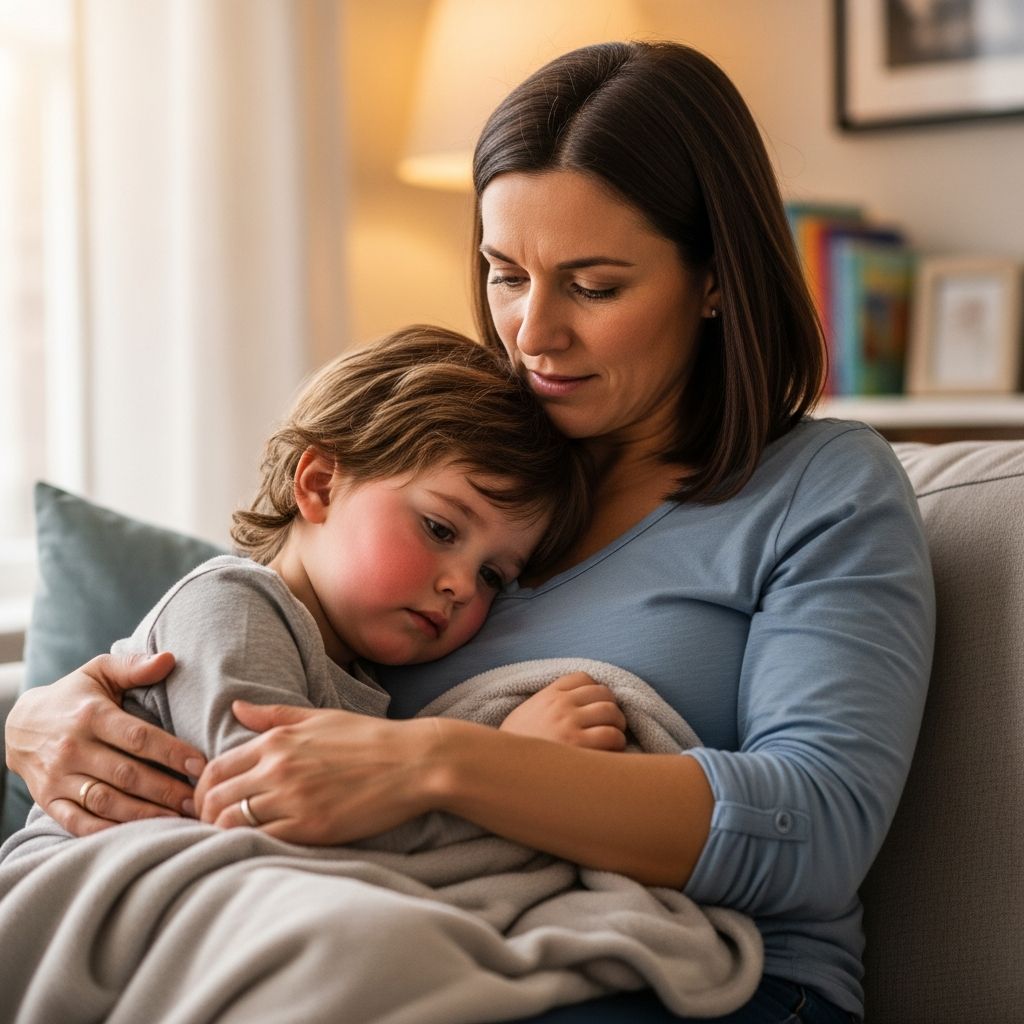
Febrile seizures are common convulsions in young children triggered by fever, typically from infections, affecting up to 5% of kids aged 6 months to 5 years. These episodes, while alarming, are generally benign and do not cause brain damage or lead to epilepsy in most cases.
Understanding What Febrile Seizures Are
These seizures occur when a child’s body temperature rises rapidly, often due to illness. Unlike epileptic seizures, they are linked solely to fever and not to underlying neurological disorders in healthy children. The brain’s immaturity in toddlers makes it more sensitive to temperature changes, leading to sudden electrical disturbances.
Key characteristics include loss of consciousness, rhythmic jerking of limbs, and lasting under 15 minutes. They are classified as simple (brief, generalized, single episode) or complex (longer, focal, or recurrent within 24 hours).
Common Triggers and Risk Factors
The primary trigger is fever above 38°C (100.4°F), often from viral infections like influenza or roseola. Bacterial infections or post-vaccination fevers are less common culprits.
- Viral infections: Flu, roseola (HHV-6), chickenpox most frequent.
- Family history: Genetic predisposition increases likelihood.
- Other risks: Developmental delays, low iron/zinc levels, maternal smoking.
No exact fever threshold exists; rapid rise matters more than peak temperature. Children under 3 years are most vulnerable due to developing brains.
Recognizing the Signs and Symptoms
During an episode, a child may stiffen, jerk limbs symmetrically, roll eyes, drool, or foam at the mouth. Breathing might pause briefly, skin could turn blue, and post-seizure sleepiness or confusion follows.
| Simple Febrile Seizure | Complex Febrile Seizure |
|---|---|
| Lasts <15 min | Lasts >15 min or recurs |
| Generalized (whole body) | Focal (one side) |
| Single per fever illness | Multiple in 24 hours |
Simple types comprise 70-80% of cases and carry lower risks.
Immediate Steps: How to Help Your Child
Stay calm—most end spontaneously. Place child on side in safe area, clear surroundings, time the event. Do not restrain or put anything in mouth.
- Protect from injury: Soft surface, away from hazards.
- Monitor breathing; loosen clothing.
- After: Comfort, offer fluids if alert.
- Seek emergency care if >5 min, breathing issues, or first-time.
For prolonged seizures (≥5 min), medications like rectal diazepam or intranasal midazolam may be used in hospital.
Medical Evaluation After a Seizure
Always consult a doctor post-first seizure to rule out meningitis or other causes. Expect fever source check (e.g., urine/blood tests, lumbar puncture if needed).
EEG or imaging rarely required unless complex features or neurological signs. Antipyretics like acetaminophen help comfort but don’t prevent recurrence.
Preventing Future Episodes
No guaranteed prevention, but manage fevers promptly: tepid baths, light clothing, hydration. Prophylactic diazepam sometimes for frequent cases, but not routine due to side effects.
- Avoid overheating: Normal room temp, light layers.
- Early illness treatment: Antivirals if applicable.
- Vaccination awareness: Rare trigger, benefits outweigh.
Long-Term Outlook and Epilepsy Risk
Most children outgrow by age 6; recurrence in 30-50%. Epilepsy risk is low (1-2%) for simple seizures, higher (5-10%) for complex or with risks like family history.
Regular pediatric follow-ups monitor development; no learning/brain damage link.
When to Worry: Red Flags for Parents
Urgent care if: seizure >5 min, focal, post-ictal focal weakness, lethargy beyond norm, fever without source, or infant <6 months.
Distinguish from non-febrile seizures or infections mimicking.
Frequently Asked Questions (FAQs)
Can febrile seizures cause brain damage?
No, brief seizures do not harm the brain. Prolonged (>30 min) are rare and treated promptly.
Should I give fever medicine during a seizure?
No, focus on safety; medicate after for comfort.
Do vaccines cause febrile seizures?
Rarely, via fever; not direct cause, and protection from diseases is greater benefit.
How common are recurrences?
About one-third; lower if first after age 3.
Is a family history a big concern?
Increases risk 2-3x, but most with history never seize.
Supporting Your Family Through This
Episodes scare parents; education reduces anxiety. Join support groups, track fevers via apps. Teach caregivers response protocol.
Developmental screening ensures normal growth; most kids thrive.
References
- Febrile seizure – Symptoms & causes — Mayo Clinic. 2023-10-15. https://www.mayoclinic.org/diseases-conditions/febrile-seizure/symptoms-causes/syc-20372522
- Febrile seizures: symptoms, causes and treatments — Health Service Executive (HSE), Ireland (.gov). 2024-01-10. https://www2.hse.ie/conditions/febrile-seizures/
- Febrile Seizure – StatPearls — NCBI Bookshelf, NIH (.gov). 2024-05-06. https://www.ncbi.nlm.nih.gov/books/NBK448123/
- Febrile Seizures – Pediatrics — MSD Manuals Professional Edition. 2024-08-01. https://www.msdmanuals.com/professional/pediatrics/neurologic-disorders-in-children/febrile-seizures
- Febrile seizure – convulsion, fever — healthdirect.gov.au (.gov.au). 2023-11-20. https://www.healthdirect.gov.au/febrile-seizure
- Febrile Seizure: What It Is, Symptoms & Treatment — Cleveland Clinic. 2024-02-14. https://my.clevelandclinic.org/health/diseases/febrile-seizure
Similar Articles








Read full bio of Sneha Tete