Fitness and Breastfeeding: Build Strength Safely
Discover how new moms can safely exercise, tone muscles, and maintain fitness while breastfeeding without compromising milk supply or recovery.
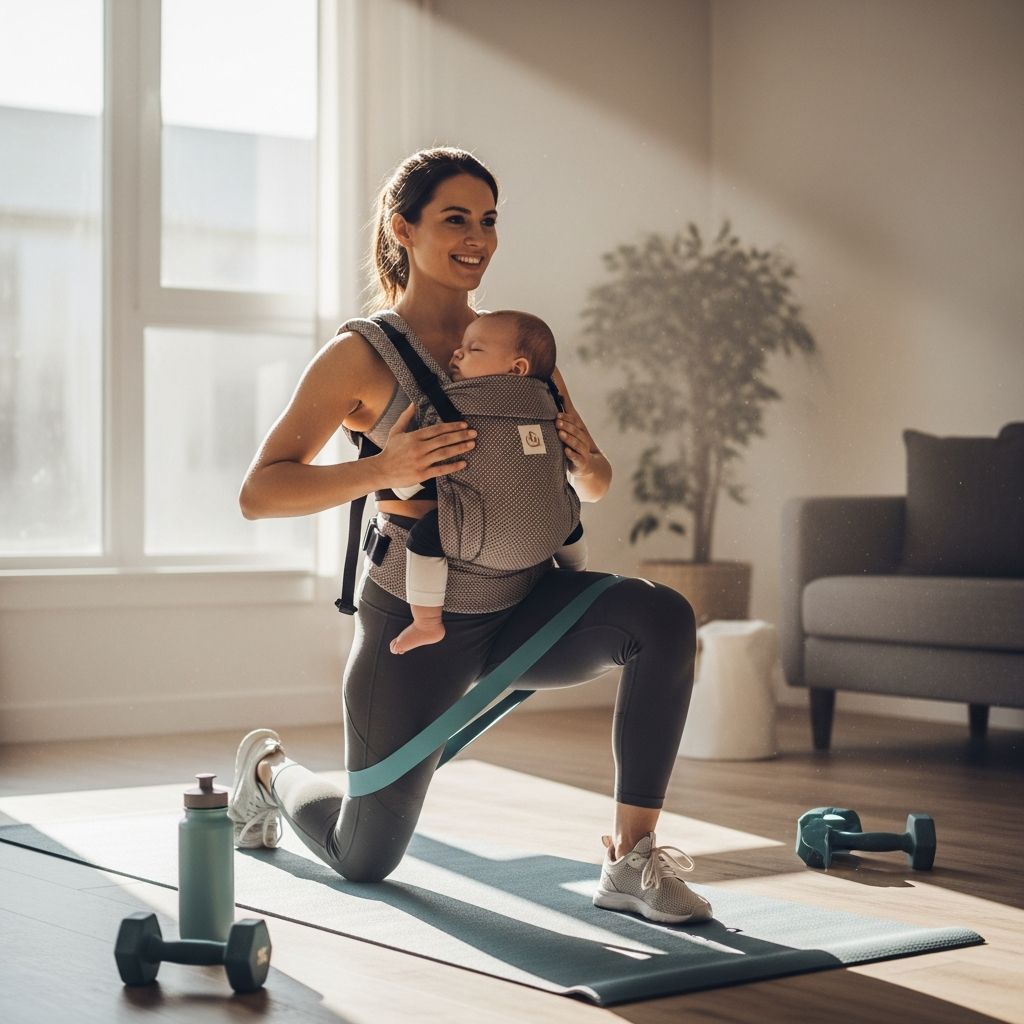
Breastfeeding mothers often wonder if they can resume physical activity to regain pre-pregnancy shape without risking their health or milk supply. The answer is yes, with a gradual, medically guided approach that prioritizes recovery. Postpartum exercise helps restore energy, strengthen core and pelvic muscles, and promote mental well-being, all while supporting lactation when done correctly.
Understanding Postpartum Body Changes
After childbirth, hormonal shifts, stretched abdominal muscles (diastasis recti), and weakened pelvic floor from pregnancy demand patience before intense workouts. Breastfeeding burns extra calories—about 300-500 daily—but requires stable energy intake to avoid supply dips. Rushing into high-impact activities can lead to injury, incontinence, or fatigue.
Key changes include:
- Core separation: Abdominal muscles may need 6-12 weeks to reconnect before crunches.
- Pelvic floor laxity: Essential for bladder control; assess via physiotherapist.
- Joint laxity: Relaxin hormone lingers up to 5 months, increasing injury risk.
- Energy demands: Lactation plus healing means prioritizing rest and nutrition.
Always get clearance from your doctor or midwife, especially post-C-section or with complications like heavy bleeding.
Timeline for Resuming Exercise While Breastfeeding
A phased return minimizes risks. Guidelines from health authorities emphasize symptom-free progression: no pain, leakage, or increased bleeding.
| Time Postpartum | Recommended Activities | Precautions |
|---|---|---|
| Days 1-2 weeks | Gentle walking (10-20 min), pelvic floor squeezes (Kegels), deep breathing. | Monitor lochia; stop if pain or dizziness. |
| 2-6 weeks | Build to 30 min walks, light core activations, postpartum yoga. | Avoid planks/crunches; wear supportive bra. |
| 6-12 weeks (post-checkup) | Low-impact aerobics, swimming (post-bleeding), pilates, light weights. | No breath-holding; check pelvic floor. |
| 12-16 weeks | Introduce jogging intervals, bodyweight squats, resistance bands. | Progress if no symptoms; physio assessment ideal. |
| 16+ weeks | Higher impact (running, sports), heavier lifts (2-10% weekly increase). | Weekly monitoring; full clearance for contact sports. |
This timeline aligns with Australian and Canadian guidelines, aiming for 120-150 minutes moderate activity weekly by 12 weeks. Breastfeeding moms may progress slower due to fatigue but benefit from activity’s endorphin boost.
Safe Exercises to Tone Muscles
Focus on functional strength: rebuild from inside out. Prioritize pelvic floor and transverse abdominis (deep core) before superficial muscles.
Early Recovery Moves (0-6 Weeks)
- Pelvic Tilts: Lie on back, gently rock pelvis 10x; strengthens core without strain.
- Heel Slides: Alternate sliding heels on floor; builds leg stability.
- Diaphragmatic Breathing: Inhale deeply, exhale drawing belly button to spine; 5-10 min daily.
These can be done bedside, even with baby on chest, fostering bonding.
Building Strength (6-12 Weeks)
- Bridges: Lift hips from floor, squeeze glutes; 3 sets of 10.
- Bird-Dog: On all fours, extend opposite arm/leg; improves balance.
- Wall Push-Ups: Tones chest/arms safely.
Incorporate 20-30 min sessions 3-4 days/week, mixing aerobic (brisk walks) and resistance.
Advanced Toning (12+ Weeks)
Once cleared, add:
- Squats/Lunges: With bodyweight or light dumbbells for legs/glutes.
- Deadlifts (Romanian): Hinge at hips; targets posterior chain.
- Incline Walks/Intervals: Start 1:2 run:walk ratio, <20 min; monitor 48 hours post.
Aim for posture-focused gym work: no heavy breath-holding.
Impact of Exercise on Milk Supply
Moderate activity does not reduce supply; intense sessions without fueling might temporarily dip it due to dehydration or calorie deficit. Studies show no dehydration from sweat alone if hydrated. Nurse/feed before workouts to ease engorgement and use sessions for pumping if needed.
Pro Tips:
- Stay hydrated: 3-4 liters water daily, more if active.
- Eat 500 extra calories: Oats, nuts, lean proteins support supply and energy.
- Time workouts post-feed: Reduces discomfort from full breasts.
High-impact preps like incline treadmill walking aid pelvic support.
Essential Gear and Safety Measures
Invest in:
- Supportive Sports Bra: New size post-pregnancy; high-impact rated.
- Leak-Proof Pads: Prevent soiling during sweat.
- Non-Slip Shoes: For balance shifts.
Warning signs to stop: Pelvic pressure, urine leakage, sharp pain, dizziness. Consult women’s health physiotherapist for personalized screening.
Breastfeeding athletes: Nutrition/hydration amplify importance; sleep when possible.
Nutrition for Active Breastfeeding Moms
Fuel recovery and lactation with balanced macros: 45-65% carbs, 20-35% fats, 10-35% protein. Sample daily intake (2,500-3,000 cal):
| Meal | Ideas |
|---|---|
| Breakfast | Oatmeal with nuts, banana, yogurt (protein + carbs). |
| Snack | Apple + peanut butter; sustains energy. |
| Lunch | Grilled chicken salad, quinoa, avocado. |
| Post-Workout | Smoothie: spinach, berries, protein powder, milk. |
| Dinner | Salmon, sweet potato, greens (omega-3s for baby). |
Supplements: Multivitamin, vitamin D, omega-3s if deficient. Avoid extreme cuts; gradual toning yields sustainable results.
Common Challenges and Solutions
New moms face time crunches, exhaustion, body image pressures. Solutions:
- Short Bursts: 10-min walks add up to guidelines.
- Babywearing Workouts: Stroller pushes or carrier squats.
- Partner Support: Share feeds for longer sessions.
- Mindset Shift: Celebrate strength gains over scale numbers.
C-section moms: Extra 4-6 weeks for incision healing before core work.
Frequently Asked Questions
Can breastfeeding moms lift weights?
Yes, after 6-12 weeks clearance; start light (5-10 lbs), focus form. No breath-holding to protect pelvic floor.
Does sweating affect breast milk?
No, if you rehydrate promptly. Salt in sweat is minimal impact.
How soon after C-section can I exercise?
Walking immediately if cleared; intense after 12 weeks, ensuring no wound strain.
Will workouts cause mastitis?
Unlikely; empty breasts pre-exercise prevents. Good hygiene key.
What’s the best workout for diastasis recti?
Deep core like TVA activations; avoid crunches until healed (assess gap <2 fingers).
Long-Term Benefits of Postpartum Fitness
Consistent activity reduces postpartum depression risk, boosts mood via endorphins, and models health for baby. By 6 months, many reach pre-pregnancy fitness or better with muscle tone. Track progress via photos, strength logs—not weight.
Combine with sleep hygiene, stress management for holistic recovery. Consult pros for tailored plans; every body postpartum is unique.
References
- Postnatal exercise | Better Health Channel — Better Health Channel, Victoria Government. 2023. https://www.betterhealth.vic.gov.au/health/healthyliving/postnatal-exercise
- Maximizing Recovery in the Postpartum Period: A Timeline for … — PMC/NIH. 2022-10-11. https://pmc.ncbi.nlm.nih.gov/articles/PMC9528725/
- Postpartum – 24-Hour Movement Guidelines — Canadian Society for Exercise Physiology. 2023. https://csepguidelines.ca/guidelines/postpartum/
- Tips for Safely Returning to Exercise Postpartum — Tufts University School of Medicine. 2024. https://medicine.tufts.edu/news-events/news/tips-safely-returning-exercise-postpartum
- How to Safely and Effectively Exercise After Childbirth — The Bloom Method. 2023. https://thebloommethod.com/blogs/blog/postpartum-exercise-101-how-to-safely-and-effectively-exercise-after-childbirth
- Exercise plans 0 to 12 weeks after pregnancy — Health Service Executive (HSE), Ireland. 2024. https://www2.hse.ie/pregnancy-birth/birth/health-after-birth/exercise-0-12-weeks/
- Exercise After Pregnancy — American College of Obstetricians and Gynecologists (ACOG). 2023. https://www.acog.org/womens-health/faqs/exercise-after-pregnancy
Similar Articles





Read full bio of medha deb