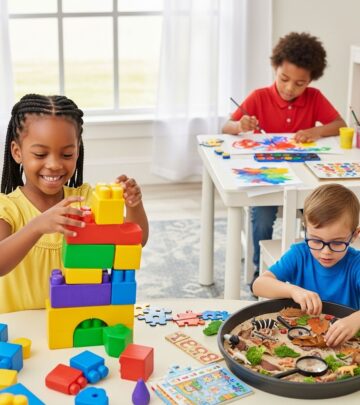
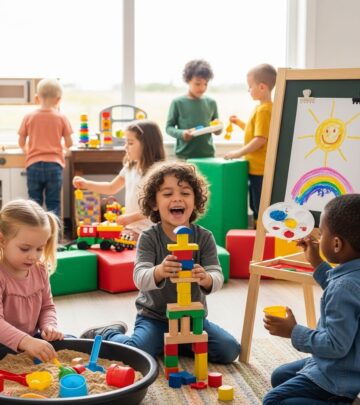
Fun Learning Activities for 3-Year-Olds
Discover engaging play-based activities that boost development, creativity, and skills in three-year-olds through hands-on fun.
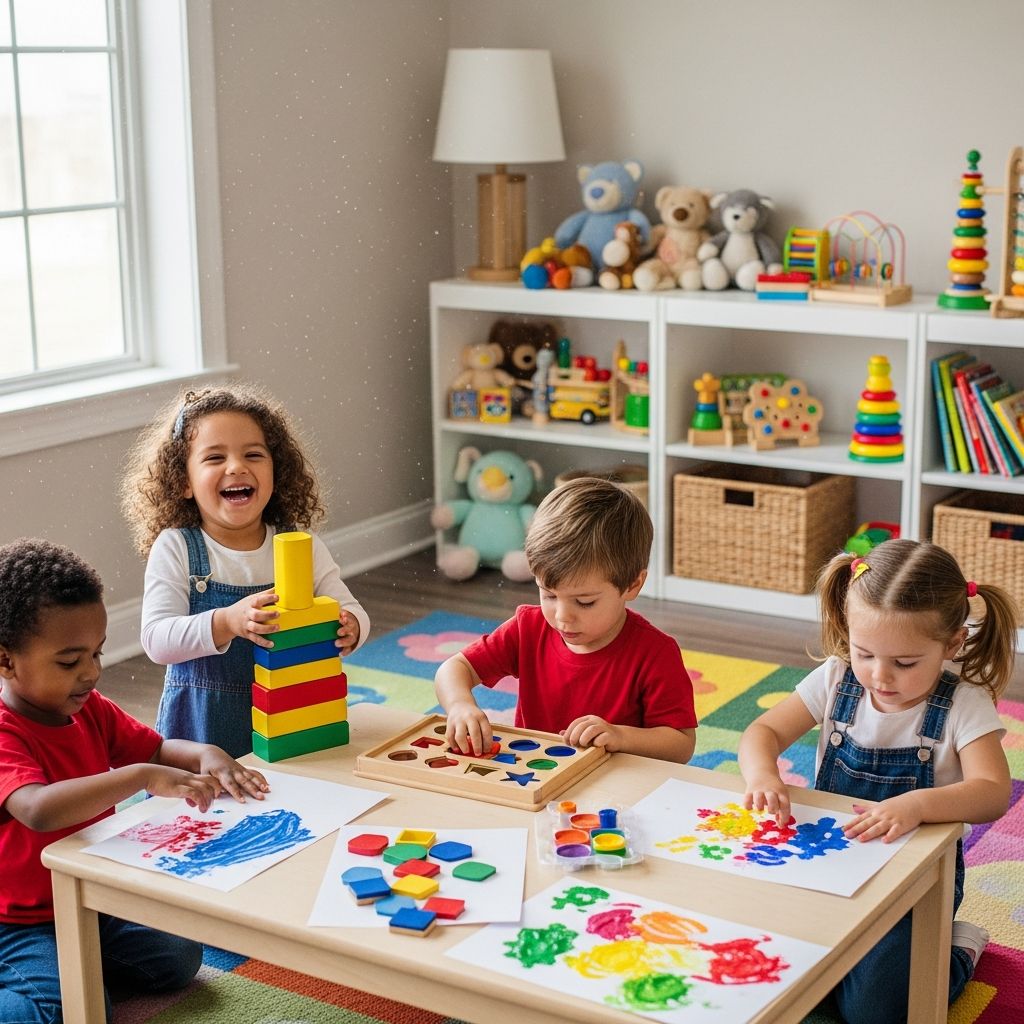
At age three, children are bursting with curiosity, energy, and a desire to explore the world around them. This is a critical stage where play becomes the foundation for learning essential skills like coordination, problem-solving, language development, and social interaction. Engaging in diverse activities helps three-year-olds build confidence, strengthen muscles, and spark creativity without feeling like structured lessons. Parents can easily incorporate these ideas using household items, turning everyday moments into opportunities for growth. This guide offers a fresh collection of activities categorized by type, ensuring balanced development across physical, cognitive, and emotional domains.
Why Play Matters for Three-Year-Olds
Play is not just entertainment; it’s how young children process experiences and acquire new abilities. Research from child development experts emphasizes that hands-on play enhances brain development, particularly in areas like executive function and emotional regulation. For instance, manipulating objects refines fine motor skills, while group play teaches sharing and empathy. According to guidelines from the American Academy of Pediatrics, unstructured play for at least 60 minutes daily supports healthy growth. These activities align with developmental milestones, such as improved hand-eye coordination and basic counting, making learning feel effortless and joyful.
Sensory Exploration Adventures
Sensory activities stimulate the senses, helping children understand textures, temperatures, and sounds. These experiences calm the nervous system and promote focus, which is vital for toddlers prone to overstimulation.
- Water Transfer Challenge: Fill a large basin with water and provide various containers like bowls, funnels, and squeeze bottles. Encourage pouring, scooping, and splashing to explore volume and flow. This builds precision and cause-and-effect understanding.
- Dry Goods Discovery Bin: Layer rice, oats, or pasta in a shallow tray with scoops and hidden toys. Digging and sifting refines pincer grasp while introducing sorting by feel.
- Texture Tray Creations: Spread shaving cream, flour, or sand on a cookie sheet. Use fingers to draw patterns or press objects into it, combining mess-free fun with shape recognition.
- Melting Ice Quest: Place colored ice cubes in warm water with tongs for scooping. Watching them melt teaches states of matter and temperature differences engagingly.
These setups require minimal cleanup and can be adapted for indoor or outdoor use, keeping little ones engaged for extended periods.
Creative Arts and Crafts
Creativity flourishes through art, allowing self-expression and experimentation with colors and forms. No artistic talent is needed from parents—the process is the reward.
- Body Outline Art: Trace a child’s hand or foot on paper, then let them add details like faces or patterns using crayons and stickers. Progress to full-body tracings on butcher paper for storytelling.
- Nature Collage: Collect leaves, twigs, and petals during a walk, then glue them onto cardboard to form pictures. This connects art with nature observation.
- Stringing Beads or Pasta: Thread large beads or cooked pasta onto yarn for necklaces. It strengthens fingers and introduces patterns like alternating colors.
- Finger Paint Symphony: Mix washable paints on paper, encouraging freeform designs or themed scenes like oceans with blue swirls.
Display finished works to boost pride and language skills as children describe their masterpieces.
Building and Construction Play
Blocks and stacks develop spatial awareness, engineering basics, and perseverance as towers topple and rebuild.
| Activity | Materials Needed | Skills Developed |
|---|---|---|
| Tower Building Contest | Wooden blocks, soft toys | Balance, counting, planning |
| Cityscape Construction | Lego Duplo, cardboard boxes | Imagination, fine motor |
| Bridge Challenges | Popsicle sticks, marshmallows | Problem-solving, stability concepts |
| Ramp Races | Cardboard tubes, toy cars | Physics basics, prediction |
These projects encourage trial-and-error, fostering resilience. Narrate builds to enhance vocabulary, like “Your skyscraper is so tall!”
Active Outdoor and Gross Motor Games
Physical activity is crucial for health, releasing energy and improving coordination. Aim for outdoor time daily, weather permitting.
- Animal Movement Mimicry: Hop like frogs, slither like snakes, or gallop like horses across the yard. Adds imagination to exercise.
- Bubble Chase Relay: Blow bubbles and race to pop them, refining agility and tracking skills.
- Chalk Obstacle Path: Draw lines, zigzags, and shapes on pavement for walking, jumping, or hopping challenges.
- Ball Toss Targets: Set up buckets or hoops for throwing soft balls, teaching aim and turn-taking.
- Nature Scavenger Hunt: List items like red leaves or smooth stones to find, combining movement with observation.
Supervise closely to ensure safety, and rotate games to maintain interest.
Imaginative Role-Play Scenarios
Pretend play builds social skills, empathy, and narrative abilities, mirroring real-life roles.
- Market Stall Setup: Use empty boxes as shelves stocked with play food. Take turns as shopper and seller, practicing counting and politeness.
- Doctor’s Clinic: Bandage stuffed animals with fabric scraps, introducing care routines.
- Fort Building Expedition: Drape sheets over furniture for secret hideouts, complete with “treasures” inside.
- Vehicle Voyage: Tape roads on the floor for cars and trucks, narrating trips to faraway places.
Props are optional; enthusiasm drives the fun, helping children rehearse emotions and interactions.
Early Learning Through Games
Introduce academics playfully to prepare for preschool without pressure.
- Number Hide-and-Seek: Conceal toys and request specific quantities, like “Find three balls.” Advances counting and searching.
- Shape Sorting Relay: Match objects to drawn shapes on paper, reinforcing geometry basics.
- Letter Sound Safari: Hunt for items starting with sounds like /b/ for ball, linking phonics to environment.
- Color Match Memory: Flip cards or sort pom-poms by hue, sharpening memory and categorization.
Keep sessions short—10-15 minutes—to match attention spans.
Daily Routines with Educational Twists
Incorporate learning into meals, baths, and bedtime for seamless integration.
- Kitchen Helper Tasks: Stir dough or sort utensils, teaching measurements safely.
- Bath Time Sinks: Float toys and predict which sink, exploring buoyancy.
- Storytime Puppets: Use socks as puppets to retell books, boosting comprehension.
These build independence and responsibility alongside skills.
Frequently Asked Questions (FAQs)
How much time should a 3-year-old spend on activities daily?
Aim for 1-2 hours of varied play, broken into short bursts, plus free play. Balance structured and unstructured time per CDC guidelines.
Are these activities suitable for group settings like daycare?
Yes, most scale easily for small groups, promoting sharing and cooperation.
What if my child loses interest quickly?
Follow their lead, rotate options, and add themes like “dinosaur day” to reignite engagement.
Do I need special toys or supplies?
No—household recyclables and nature items work best, keeping costs low.
How can I track developmental progress?
Observe improvements in skills like buttoning or counting; consult pediatric milestones if concerned.
Safety Tips for All Activities
Always supervise to prevent choking hazards with small parts. Use non-toxic materials, ensure stable surfaces for climbing, and clean up messes promptly. Hydrate during active play and adapt for individual needs like allergies.
Word count: 1728 (excluding HTML tags and metadata).
References
- Playful Learning Activities for 3-Year-Olds — Freddy the Frog Caster. 2023. https://www.freddythefrogcaster.com/playful-learning-activities-for-3-year-olds/
- 7 Play-Based Learning Activities for 3-Year-Olds — Begin Learning. Accessed 2026. https://www.beginlearning.com/parent-resources/activities-for-3-year-olds/
- Developmental Milestones: 3-Year-Olds — Centers for Disease Control and Prevention (CDC). 2022-04-07. https://www.cdc.gov/ncbddd/actearly/milestones/milestones-3yr.html
- The Power of Play: A Pediatric Role in Enhancing Development — American Academy of Pediatrics. 2018-09-01. https://publications.aap.org/pediatrics/article/142/3/e20182058/38649/The-Power-of-Play-A-Pediatric-Role-in-Enhancing
- Active Play and Physical Activity for Preschool Children — National Institute for Health and Care Excellence (NICE). 2023. https://www.nice.org.uk/guidance/ng147
Similar Articles








Read full bio of Sneha Tete