Grandparent Bonds: Combating Ageism in Children
Discover how meaningful interactions with grandparents help children develop positive attitudes toward aging and older adults.
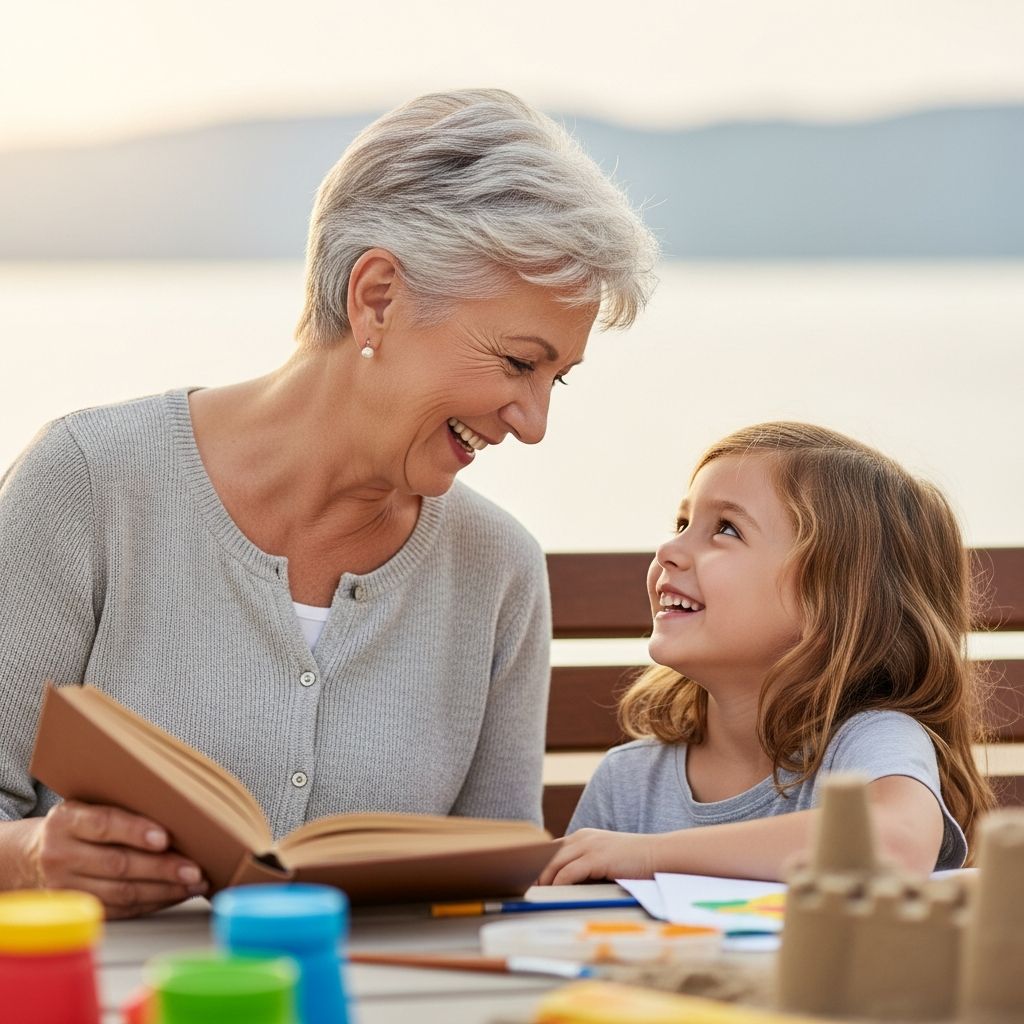
Intergenerational connections play a vital role in shaping young minds, particularly in how children perceive aging and older adults. Recent findings highlight that positive relationships with grandparents can dramatically reduce ageist tendencies in youth, offering a simple yet powerful way to build empathy across generations.
Understanding Ageism and Its Roots in Youth
Ageism refers to prejudice or discrimination based on age, often manifesting as negative stereotypes about older people being frail, forgetful, or out of touch. Surprisingly, these biases emerge early in life. Studies indicate that children as young as three can exhibit prejudiced beliefs toward the elderly, viewing them through a lens of decline rather than wisdom or vitality.
This early onset stems from limited exposure and societal narratives that emphasize youth over experience. In a world obsessed with anti-aging products and digital natives dominating culture, older adults can seem distant or irrelevant to kids. However, personal interactions challenge these notions, replacing myths with real human stories.
The Power of Personal Connections with Older Generations
Grandparents often serve as a child’s primary window into the world of aging. They provide firsthand encounters that textbooks or media cannot replicate. Through shared stories of historical events, family traditions, and everyday wisdom, children gain nuanced views of what it means to grow older.
- Emotional warmth: Hugs, laughter, and unconditional love create positive associations.
- Cultural transmission: Recipes, songs, and holidays passed down build respect for legacy.
- Skill-building: Learning games, crafts, or gardening from elders fosters admiration for their capabilities.
These moments humanize aging, showing it’s a continuum of growth rather than an endpoint of diminishment.
Key Findings from Pioneering Research
A landmark investigation involving 1,151 children and adolescents aged 7 to 16 in Belgium uncovered striking patterns. Participants rated their feelings about grandparents and shared views on aging and the elderly. The results pinpointed
quality of contact
as the dominant factor in curbing ageist attitudes, surpassing even how often they met.| Age Group | Ageism Level | Key Influence |
|---|---|---|
| 7-9 years | High | Limited perspective-taking |
| 10-12 years | Lowest | Peak cognitive empathy development |
| 13-16 years | Moderate-High | Teen identity focus |
Girls generally expressed more favorable opinions than boys, aligning with broader trends in empathy research. Children describing interactions as ‘happy’ or ‘very happy’ showed the least bias. Frequency amplified benefits only when quality was high—weekly visits for 10-12-year-olds yielded the most optimistic outlooks.
Why Quality Trumps Quantity in Building Positive Views
Not all time spent together equates to meaningful engagement. A strained visit filled with arguments or disinterest can reinforce stereotypes of irritability or irrelevance. Conversely, even infrequent but joyful encounters—like baking cookies or stargazing—leave lasting imprints of joy and competence.
Lead researcher Allison Flamion emphasized: ‘The most important factor associated with ageist stereotypes was poor quality of contact with grandparents.’ This underscores that presence alone isn’t enough; it’s the emotional tone that molds perceptions.
Parents can facilitate this by encouraging activities that spark mutual delight, avoiding forced obligations that breed resentment.
Health Status of Grandparents and Its Ripple Effects
The physical condition of grandparents also influences grandchildren’s attitudes. Kids with elders in robust health perceived aging more positively, associating it with activity and independence rather than dependency. Those with grandparents facing health challenges were prone to overgeneralizing frailty to all older adults.
This highlights the need for honest discussions about health, aging gracefully, and resilience. Grandparents modeling adaptive coping—through exercise, hobbies, or medical management—teach that age doesn’t define limitations.
Age-Specific Patterns: Navigating Developmental Stages
Ageism fluctuates across childhood. Youngsters aged 7-9 often hold the strongest prejudices due to egocentric thinking. By 10-12, enhanced perspective-taking reduces biases, coinciding with cognitive leaps. Teens 13-16 may resurge in skepticism amid identity formation and peer pressures.
Consistent grandparent exposure can smooth these phases, providing stable anchors of respect amid turmoil.
Broader Societal Benefits of Strong Intergenerational Ties
Beyond individual families, these relationships combat widespread ageism. As populations age—with many countries projecting 25% over 65 by 2050—fostering tolerance ensures inclusive communities. Youth with positive elder views are likelier to support policies for senior care, volunteer, and innovate age-friendly tech.
Health implications are profound: Ageism correlates with poorer outcomes for seniors, from stress-induced illnesses to reduced healthcare access. Nurturing anti-ageist kids promises healthier aging societies.
Practical Strategies for Parents to Enhance Connections
Busy schedules challenge grandparent time. Here are actionable tips:
- Plan themed visits: Tie-ins like history museums or cooking classes make outings memorable.
- Tech bridges: Video calls with shared screens for virtual storytelling or games.
- Skill swaps: Kids teach gadgets; grandparents share folklore.
- Health spotlights: Celebrate grandparents’ fitness routines or hobbies.
- Conflict resolution: Mediate gently to turn tensions into growth opportunities.
Even distant families can mail care packages or exchange voice notes, prioritizing joy over perfection.
Intergenerational Programs: Scaling Family Lessons
Co-author Stéphane Adam envisions grandparents in school programs to preempt ageism population-wide. Pilot initiatives pairing youth with elders for mentorship show promise in boosting empathy and self-esteem.
Communities could expand this via senior centers hosting kid clubs, libraries curating joint reading hours, or parks designating ‘storytelling benches.’
Challenges and How to Overcome Them
Not all dynamics thrive naturally. Geographical distance, health issues, or personality clashes pose hurdles. Solutions include:
| Challenge | Solution |
|---|---|
| Distance | Scheduled video dates, travel funds pooled family-wide |
| Health limitations | Low-energy activities like audiobooks or puzzles |
| Generational gaps | Mutual learning sessions on tech vs. traditions |
Patience and intentionality turn obstacles into deeper bonds.
Frequently Asked Questions (FAQs)
What age group benefits most from grandparent time?
Children aged 10-12 show the lowest ageism, but all ages gain from quality interactions, especially during bias-prone phases like 7-9 and adolescence.
Does seeing grandparents often guarantee less ageism?
No—quality matters more. Unhappy frequent visits can worsen biases; joyful rare ones build positivity.
Can this apply beyond biological grandparents?
Yes, any positive elder mentor yields similar effects, per intergenerational studies.
How does gender factor in?
Girls typically hold less ageist views, possibly due to higher relational empathy, but boys benefit equally from strong bonds.
What if my child’s grandparent is unhealthy?
Focus on their strengths and stories of resilience to counter frailty stereotypes.
Looking Ahead: Cultivating a Less Ageist Future
By prioritizing grandparent-grandchild harmony, parents invest in empathetic futures. These bonds not only enrich family lore but dismantle barriers, proving age is a bridge, not a divide. Simple acts of connection ripple outward, crafting societies where every stage of life is valued.
References
- Quality of Contact with Grandparents Is Key To Youths’ Views of Ageism — Society for Research in Child Development (SRCD). 2019-10-01. https://www.srcd.org/news/quality-contact-grandparents-key-youths-views-ageism
- Spending time with grandparents makes kids less prone to ageism, says study — Motherly. 2019-10-XX. https://www.mother.ly/life/spending-time-with-grandparents-makes-kids-less-prone-to-ageism-says-study/
- Ageism is associated with poorer health among older adults — World Health Organization (WHO). 2021-03-18. https://www.who.int/news/item/18-03-2021-ageism-is-a-global-challenge-un
- What is the effect of intergenerational activities on the wellbeing and mental health of older people? — PMC / NIH. 2023-10-01. https://pmc.ncbi.nlm.nih.gov/articles/PMC10546258/
- Child Development Journal Article on Grandparent Contact and Ageism — Wiley Online Library (Peer-reviewed). 2019-09-30. https://srcd.onlinelibrary.wiley.com/doi/10.1111/cdev.13299
Similar Articles








Read full bio of medha deb