Nutrient-Packed Greens Salad for Maternal Wellness
Discover a vibrant greens salad recipe designed to nourish moms through pregnancy and postpartum recovery with essential vitamins and minerals.
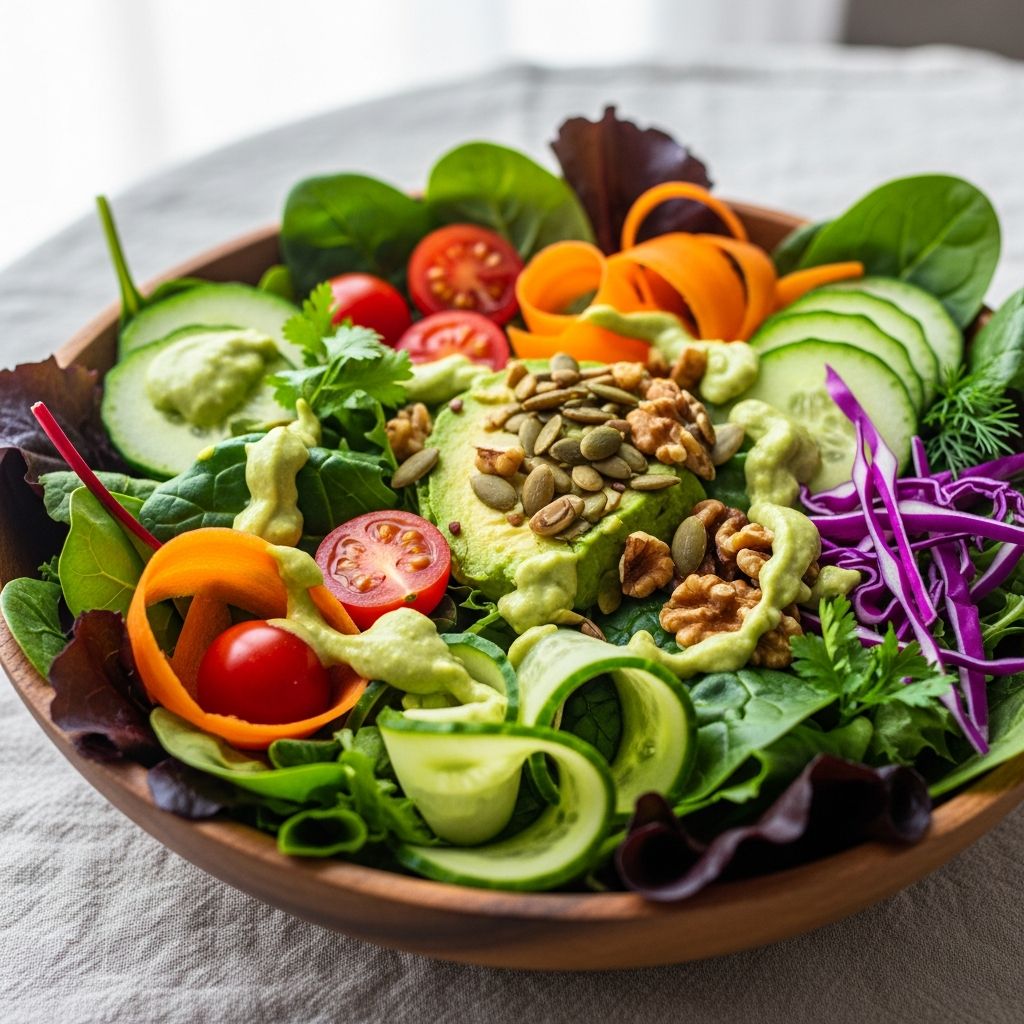
During pregnancy and the postpartum phase, a mother’s body demands exceptional nutritional support to foster fetal development, facilitate healing, and sustain energy levels, particularly for breastfeeding. This vibrant greens salad, centered around nutrient-rich spinach and complemented by fresh berries, lean proteins, and healthy fats, emerges as an ideal dish. It delivers vital iron, folate, vitamins, and antioxidants essential for maternal recovery and infant health. Easy to assemble in under 15 minutes, it suits the hectic schedules of expectant and new mothers, promoting sustained vitality without complexity.
Why Prioritize Leafy Greens in Maternal Diets
Leafy greens like spinach stand out as superfoods for pregnant and postpartum women due to their high concentrations of folate, iron, and vitamin K, which combat anemia and support blood clotting post-delivery. Folate intake remains critical postpartum to prevent deficiencies, as studies indicate many women fall short of recommended levels despite increased needs. Iron from these greens aids in replenishing stores depleted during pregnancy, reducing fatigue common in new mothers.
Moreover, the antioxidants in spinach, such as vitamin C, enhance immune function and collagen production for tissue repair after birth. Pairing greens with vitamin C-rich foods like berries boosts non-heme iron absorption by up to 6 times, optimizing nutrient uptake. Postpartum, when energy demands rise—especially for lactating mothers requiring an extra 500 calories daily—this salad provides fiber for digestion and steady energy release.
Key Nutritional Benefits for Pregnancy and Beyond
Pregnancy amplifies needs for specific micronutrients: folate for neural tube development, iron for oxygen transport, and calcium for bone health. Postpartum, these persist, with added emphasis on choline and iodine for breastfeeding. This salad addresses these through diverse ingredients:
- Folate and Iron: Spinach provides over 50% of daily folate needs per cup, crucial as intakes often dip below 35% of RDA postpartum.
- Protein and Healthy Fats: Nuts and seeds offer zinc and omega-3s for wound healing and mood stabilization.
- Vitamins A and C: Berries and greens support vision, immunity, and skin recovery.
- Hydration Support: High-water fruits like berries align with recommendations for 12 cups of fluids daily.
Research underscores that balanced intake of fruits, vegetables, and whole grains during these phases correlates with better maternal mood and reduced recovery time. Unlike processed snacks, this meal sustains energy without blood sugar spikes.
Simple Ingredients for Maximum Impact
Gather these fresh, accessible components for 2-4 servings:
| Ingredient | Quantity | Key Nutrients |
|---|---|---|
| Fresh spinach or mixed greens | 6 cups | Folate, iron, vitamin K |
| Mixed berries (strawberries, blueberries) | 1 cup | Vitamin C, antioxidants |
| Avocado, sliced | 1 medium | Healthy fats, potassium |
| Hard-boiled eggs or grilled chicken | 2 eggs or 4 oz chicken | Protein, choline |
| Walnuts or almonds, chopped | ¼ cup | Omega-3s, zinc |
| Feta or goat cheese, crumbled | ¼ cup | Calcium, probiotics |
| Dressing: Olive oil, lemon juice, honey | 3 tbsp oil, 2 tbsp juice, 1 tsp honey | Anti-inflammatory fats |
These selections draw from MyPlate guidelines, emphasizing variety in proteins, fruits, and vegetables for comprehensive nutrition. Opt for organic where possible to minimize pesticides, vital during lactation.
Step-by-Step Preparation Guide
Wash spinach thoroughly and pat dry. In a large bowl, toss with berries and avocado slices for a colorful base.
Prepare protein: Boil eggs for 10 minutes or grill chicken seasoned with herbs. Slice and add to the salad.
Sprinkle nuts and cheese evenly for crunch and creaminess.
Whisk dressing ingredients: Combine olive oil, fresh lemon juice, a touch of honey, salt, and pepper. Drizzle over salad and gently mix.
Serve immediately or chill for meal prep. Pairs well with whole-grain bread for added fiber.
Total prep time: 15 minutes. This method minimizes cooking, ideal for sleep-deprived moms, and yields leftovers that store up to 2 days.
Customizing for Pregnancy Stages and Preferences
Tailor the recipe to your needs:
- First Trimester: Boost with extra ginger in dressing to ease nausea.
- Third Trimester/Postpartum: Increase protein for tissue repair; add quinoa for complex carbs.
- Vegetarian/Vegan: Swap eggs/chicken for chickpeas or tofu, ensuring iodine via seaweed flakes.
- Constipation Relief: Amp up berries and add prunes, as 52% of postpartum women face this issue.
For breastfeeding, incorporate choline-rich eggs or salmon if non-vegetarian, targeting 550 mg daily per CDC guidelines. Always consult a healthcare provider for personalized advice, especially with dietary restrictions.
Meal Planning and Storage Tips
Postpartum fatigue makes planning essential. Batch-prep salads in mason jars: layer dressing at bottom, then hardy veggies, proteins, greens on top to prevent sogginess. Stock fridge with pre-washed greens and portioned nuts for grab-and-go assembly. Freeze extra berries for smoothies when fresh supplies dwindle.
Integrate into weekly plans:
- Monday: Salad with eggs for breakfast.
- Wednesday: Add quinoa for lunch.
- Weekend: Family-sized with chicken.
Hydrate alongside: Aim for 12 glasses of water, infusing with lemon for flavor. This approach supports the 6-11 grain, 3-5 veggie servings recommended for bottle-feeding moms.
Potential Variations and Complementary Dishes
Enhance versatility:
- Warm Version: Sauté greens lightly with garlic for cozy postpartum comfort.
- Sweet Twist: Add sliced apples and cinnamon yogurt dressing.
- Grain Bowl: Top with cooked farro for heartier meals.
Pair with bone broth soup for collagen boost or Greek yogurt parfait for calcium. These combos align with postpartum guides emphasizing whole foods over processed items.
Frequently Asked Questions
Is this salad safe during all pregnancy trimesters?
Yes, with pasteurized cheese and fully cooked proteins. Wash produce meticulously to avoid listeria.
Can it help with postpartum weight management?
It supports gradual recovery via fiber and proteins, prioritizing healing over rapid loss.
How does it benefit breastfeeding mothers?
Provides choline, iodine, and hydration-supporting fluids, meeting elevated needs.
What if I’m allergic to nuts?
Substitute seeds like pumpkin or sunflower for similar nutrients.
Does it store well for meal prep?
Yes, up to 48 hours refrigerated; dress just before eating.
Long-Term Maternal Nutrition Strategies
Beyond this salad, adopt habits like half-plate fruits/veggies daily, varying proteins (lean meats, beans, fish), and 3-4 dairy servings for calcium. Continue prenatal vitamins for 6 weeks postpartum, transitioning to multivitamins with folic acid. Studies show inadequate micronutrient intake risks deficiencies in vitamin D, iron, and folate, underscoring diverse diets.
Mindful eating combats baby blues by stabilizing mood via omega-3s and B-vitamins. Involve partners in prep to reduce burden. Track intake via apps if needed, but focus on intuitive hunger cues. This holistic approach ensures sustained wellness through motherhood’s demands.
References
- Your guide to postpartum meals: 7 essential postpartum nutrition tips — Baylor Scott & White Health. 2023. https://www.bswhealth.com/blog/postpartum-meals-7-essential-postpartum-nutrition-tips-for-new-mothers
- Pre-pregnancy, Prenatal & Postpartum Nutrition — Woman’s Hospital. 2024. https://www.womans.org/services/nutrition/prenatal-postpartum
- Postpartum Nutrition Guide — Kentucky Department for Public Health. 2022. https://www.chfs.ky.gov/agencies/dph/dmch/nsb/Documents/PostpartumNutrition.pdf
- Postpartum Nutrition: The Best Foods for Your Recovering Body — The Bump. 2024. https://www.thebump.com/a/postpartum-food
- Nutrient Intake during Pregnancy and Post-Partum: ECLIPSES Study — National Library of Medicine. 2020-05-29. https://pmc.ncbi.nlm.nih.gov/articles/PMC7285175/
- Maternal Diet and Breastfeeding — Centers for Disease Control and Prevention. 2024. https://www.cdc.gov/breastfeeding-special-circumstances/hcp/diet-micronutrients/maternal-diet.html
Similar Articles






Read full bio of Sneha Tete