Handling Sibling Aggression: Effective Family Strategies
Learn proven approaches to manage and prevent physical aggression among siblings, fostering a safer home environment for all children.
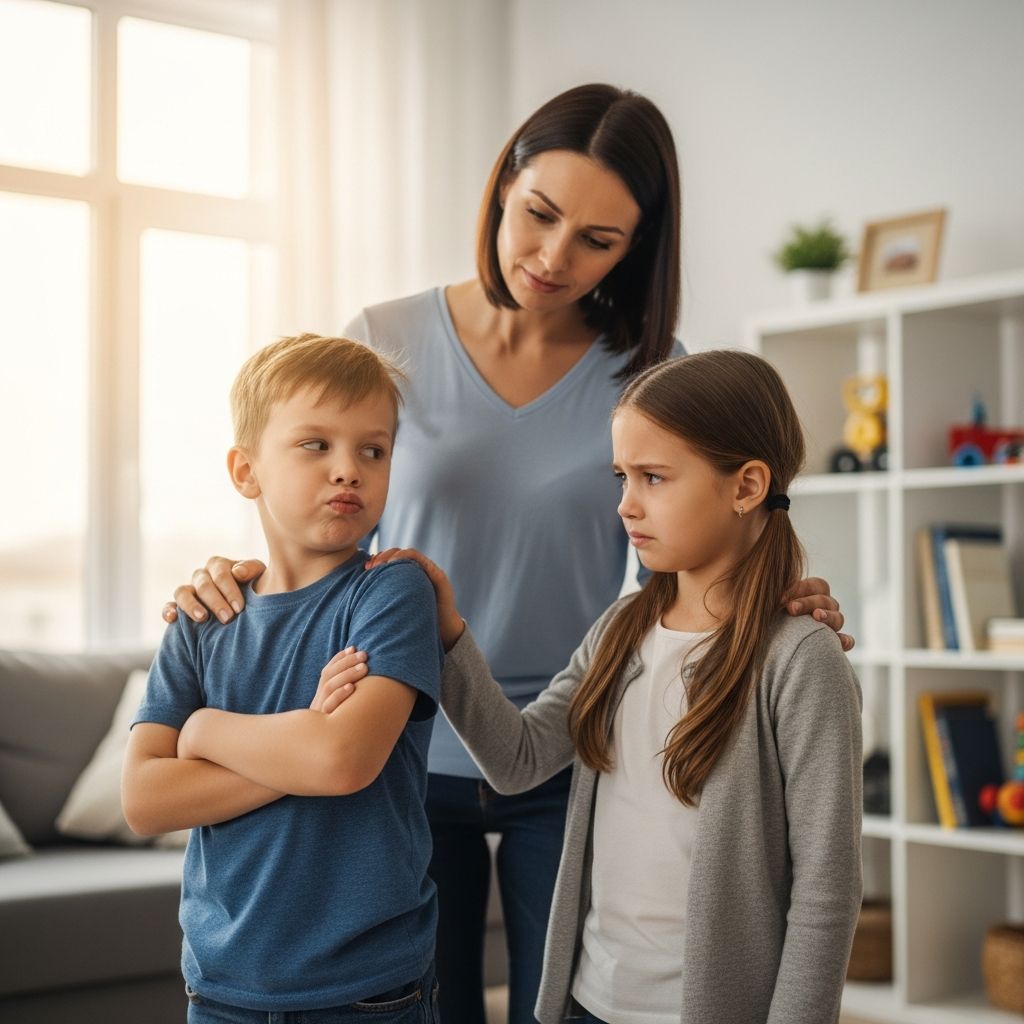
Physical aggression between siblings is a prevalent issue in many households, often escalating beyond typical rivalry into harmful behaviors that affect the entire family. Parents frequently face challenges when one child repeatedly harms siblings or even lashes out at adults, requiring structured interventions to address root causes and promote healthier dynamics.
Recognizing the Spectrum of Sibling Aggression
Sibling aggression manifests in various forms, from pushing and hitting to more severe physical assaults. Unlike playful roughhousing, true aggression involves intent to harm, power imbalances, and emotional distress for victims. Research indicates that such behaviors can persist from childhood into adulthood if unaddressed, leading to patterns of violence in future relationships.
Key indicators include repeated incidents despite parental correction, visible injuries, fearfulness in targeted children, and the aggressor’s lack of remorse. Younger siblings are often victims due to age and size differences, but any combination can occur. In some cases, aggression targets parents, signaling deeper issues like frustration or unmet needs.
- Frequent physical confrontations resulting in bruises or scratches.
- One child dominating or intimidating others consistently.
- Escalation during unsupervised play or high-stress times.
- Victim withdrawal, anxiety, or behavioral changes at school.
Unpacking the Root Causes Behind Aggressive Behaviors
Aggression rarely stems from a single source; multiple factors interplay within family systems. Exposure to domestic violence, such as spousal abuse, strongly correlates with sibling violence, as children model observed behaviors. Parental inconsistency, like uneven discipline or neglectful supervision, exacerbates risks by failing to model healthy conflict resolution.
Individual child factors play a role too. Conditions like conduct disorders, impulsivity, trauma history, or developmental challenges can drive outbursts. Children who feel emotionally deprived may seek control through physical means, while those parentified—taking on adult roles—might lash out from resentment.
| Risk Category | Examples | Impact on Sibling Dynamics |
|---|---|---|
| Family System | Marital conflict, low cohesion, financial stress | Increases chaos, reducing supervision and emotional support |
| Parenting Practices | Inconsistent rules, corporal punishment, favoritism | Teaches aggression as acceptable; erodes trust |
| Child-Specific | Trauma, lack of empathy, unmet needs | Leads to power imbalances and repeated targeting |
Boys may exhibit more physical aggression, though evidence is mixed, and girls can display coercive tactics. Environmental influences, like exposure to media violence or pornography, can normalize abuse in disorganized homes.
Immediate Steps to Ensure Safety and De-escalate Conflicts
Prioritize safety by physically separating children during incidents and establishing clear ‘no-tolerance’ rules for violence. Supervise closely, especially if an older child cares for younger ones, as this setup often leads to extremes in ‘discipline’. Implement a calm-down protocol: remove the aggressor to a quiet space, use timers for separation, and avoid physical restraint unless necessary for protection.
Document patterns—time, triggers, precursors—to identify hotspots like bedtime or transitions. Communicate consequences immediately but calmly: ‘Hitting stops playtime now.’ This teaches accountability without escalating emotions. For parent-directed aggression, maintain firm boundaries; do not engage in power struggles.
- Intervene promptly without blame.
- Separate and soothe both parties.
- Enforce logical consequences tied to behavior.
- Reunite only when calm, praising peaceful interactions.
Building Skills for Long-Term Harmony
Shift from reactive punishment to proactive skill-building. Teach anger management through age-appropriate techniques: deep breathing, counting to ten, or using ‘I feel’ statements. Role-play conflict scenarios to practice alternatives like walking away or seeking help.
Family meetings foster open dialogue. Set house rules collaboratively, emphasizing respect and empathy. Assign individual attention times to reduce rivalry—15 minutes daily per child prevents ‘attention-seeking’ aggression. Promote shared activities that build cooperation, like team chores or board games with clear rules.
Address underlying needs: ensure consistent routines, adequate sleep, and nutrition, as deprivation heightens irritability. Model desired behaviors—parents resolving disputes verbally sets the tone.
When to Seek Professional Guidance
If aggression persists despite consistent home efforts, or involves severe injury, weapons, or sexual elements, consult professionals immediately. Therapists specializing in family systems or child behavior can diagnose issues like ODD, ADHD, or trauma. Early intervention prevents lifelong patterns, including adult dating violence.
School counselors offer insights into peer dynamics spilling home. Pediatricians screen for medical contributors. In extreme cases, child protective services ensure safety without immediate family separation. Group therapy for siblings rebuilds trust; individual counseling equips the aggressor with coping tools.
- Weekly unchecked incidents.
- Signs of depression/anxiety in victims.
- Aggression outside the home (e.g., school bullying).
- Parental burnout or safety fears.
Fostering Resilience in Victims and Aggressors
Victims need validation: ‘It’s not your fault; your safety matters.’ Build self-esteem via strengths-focused activities and peer support. Monitor for PTSD-like symptoms—nightmares, hypervigilance—and provide therapy if present.
For aggressors, empathy training is key. Discuss impact: ‘How do you think that made your brother feel?’ Positive reinforcement for gentle behaviors rewires habits. Siblings can support resilience; positive bonds buffer ACEs.
Preventive Measures for a Peaceful Household
Prevention starts with strong family foundations. Equal treatment avoids resentment; structured supervision during high-risk times. Limit screen time exposing violence. Encourage extracurriculars channeling energy positively.
Parental self-care is vital—stressed adults model poor coping. Couples counseling resolves marital issues spilling to kids. Track progress with journals; celebrate milestones like ‘violence-free weeks’.
Frequently Asked Questions (FAQs)
Is sibling aggression normal?
Occasional rivalry is common, but repeated physical harm is not and requires intervention to prevent escalation.
How does parental conflict affect siblings?
Exposure to spousal abuse or inconsistent parenting heightens sibling violence risk by modeling aggression.
What if my aggressive child has a diagnosis like ODD?
Combine home strategies with professional therapy tailored to the condition for best results.
Can sibling abuse lead to long-term issues?
Yes, victims may develop anxiety; aggressors risk perpetuating violence in relationships.
How long until improvements show?
With consistency, noticeable changes occur in 4-6 weeks; full habit change takes months.
Creating Lasting Change Through Commitment
Transforming sibling aggression demands patience and unity. Parents lead by example, enforcing boundaries while nurturing bonds. Over time, consistent efforts yield empathetic, conflict-resilient children and safer homes. Professional backup accelerates progress, ensuring no child suffers in silence.
References
- Sibling Violence – Learning Network — Western University. 2023. https://www.gbvlearningnetwork.ca/our-work/issuebased_newsletters/issue-21/index.html
- Sibling abuse — Wikipedia. 2024-01-15. https://en.wikipedia.org/wiki/Sibling_abuse
- When a child is sexually abused by another child or a sibling — Queensland Government. 2023. https://cspm.csyw.qld.gov.au/practice-kits/child-sexual-abuse/working-with-children-who-display-sexually-reactiv/seeing-and-understanding/when-a-child-is-sexually-abused-by-another-child-o
- Sibling Experiences of Adverse Childhood Experiences: A Scoping Review — PMC. 2023-10-20. https://pmc.ncbi.nlm.nih.gov/articles/PMC10594841/
- Sibling Violence — AAMFT. 2023. https://www.aamft.org/AAMFT/Consumer_Updates/Sibling_Violence.aspx
- Sibling Aggression & Abuse — University of New Hampshire. 2024. https://www.unh.edu/saara/our-work/sibling-aggression-abuse
- Sibling Aggression and Abuse: Invisible and Widespread Public Health Problem — AJPH. 2024. https://ajph.aphapublications.org/doi/full/10.2105/AJPH.2024.307983
Similar Articles






Read full bio of medha deb