Head Injuries in Children: Guide for Parents
Essential advice for parents on recognizing, treating, and preventing head injuries in kids from minor bumps to serious concerns.
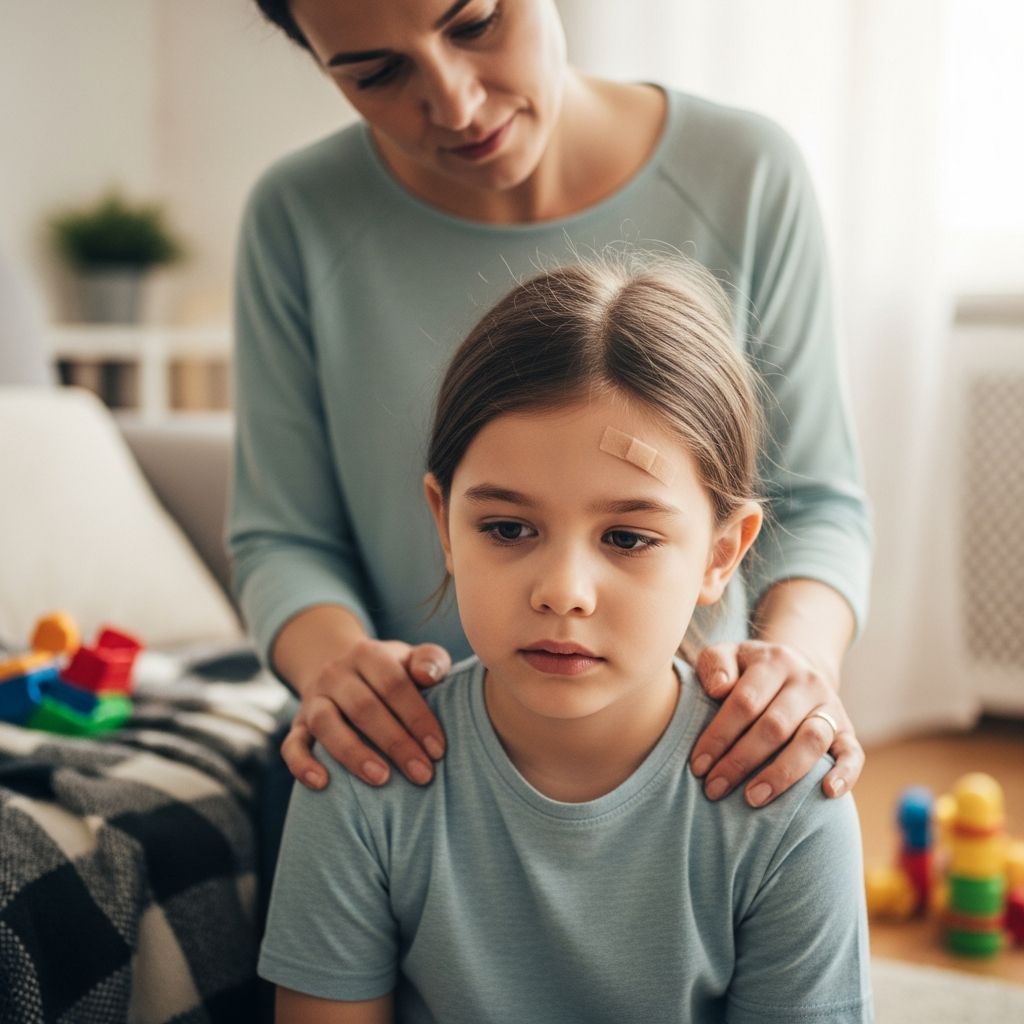
Head Injuries in Children: A Comprehensive Parent’s Guide
Head injuries are common among children due to their active lifestyles, but most are minor and resolve with simple care. Understanding the difference between a harmless bump and a serious issue can protect your child’s health. This guide draws from medical expertise to help parents respond confidently.
Common Causes of Head Trauma in Kids
Children explore the world energetically, leading to frequent falls, collisions, and impacts. Toddlers might tumble from furniture or during play, while school-age kids risk injury from sports, biking, or playground mishaps. Even low-height falls can cause scalp lacerations or bruises because the skull is thin and the scalp vessels bleed easily. High-risk activities like skating or contact sports amplify dangers, but everyday accidents suffice for most cases.
Recognizing the Signs: From Mild to Severe
Symptoms vary by injury severity. Mild cases often show as scalp swelling, minor cuts, or brief headaches. Watch for irritability, dizziness, nausea, or sensitivity to light and sound, which signal possible concussion even without loss of consciousness.
Severe indicators demand urgent action: repeated vomiting, confusion, unequal pupils, seizures, or worsening drowsiness. Vision changes, slurred speech, or limb weakness point to brain involvement like bleeding or swelling.
Symptom Comparison Table
| Symptom Type | Mild Indicators | Severe Warning Signs |
|---|---|---|
| Physical | Bump, bruise, small cut, mild headache | Deep cut, severe headache, neck pain |
| Neurological | Dizziness, nausea, balance issues | Confusion, seizures, unequal pupils |
| Sensory | Light/noise sensitivity, blurred vision | Persistent vision loss, slurred speech |
| Behavioral | Irritability, sleep changes | Lethargy, agitation, memory loss |
Use this table to quickly assess your child’s condition post-injury.
Immediate Response: First Steps After Impact
Stay calm to reassure your child. Check for alertness and breathing. For scalp wounds, apply gentle pressure with a clean cloth to stop bleeding, which often looks worse than it is due to rich blood supply. Use ice wrapped in cloth for 10-15 minutes to reduce swelling, avoiding direct skin contact.
Monitor closely for 2 hours: let them rest lying down but wake periodically to ensure responsiveness. Offer clear fluids first, advancing to normal diet if no vomiting. Acetaminophen or ibuprofen helps pain after 2 hours without issues; avoid aspirin due to bleeding risk.
- Comfort and observe behavior.
- Cold compress for swelling.
- No strenuous activity.
- Clear fluids initially.
When to Call the Doctor or Go to ER
Not all bumps need medical visit, but err on caution. Seek immediate ER care for high-impact events like car crashes, falls from height, or bike accidents without helmet. Go now if: loss of consciousness, multiple vomits, severe headache, unsteady walk, or focal weakness.
Contact doctor for persistent symptoms over 24 hours: ongoing dizziness, mood shifts, or concentration problems. Pediatricians guide return to school/sports.
- ER Immediately: Unconsciousness, repeated vomiting, severe pain.
- Doctor Soon: Symptoms lasting >24h, balance issues.
- Monitor at Home: Mild headache resolving quickly.
Home Care and Recovery Strategies
Most recover fully with rest. Physical and cognitive rest is key initially: limit screens, reading, and exercise. Gradually reintroduce activities; if symptoms recur, step back.
Maintain routines: normal sleep, healthy meals, light walks. Emotional support matters—concussions can cause anxiety or sadness. Coordinate with teachers for reduced workload. Expect scalp pain up to 3 days, headache 24 hours.
Recovery Timeline Guidelines
| Day Post-Injury | Recommended Activities | Watch For |
|---|---|---|
| 1-2 | Rest, light walking, limited screens | Worsening symptoms |
| 3-7 | School part-time, no sports | Headache return |
| After 7 | Gradual full return if symptom-free | Emotional changes |
Follow healthcare provider’s plan.
Long-Term Effects and Rehabilitation
Serious injuries may cause ongoing issues: cognitive deficits, motor problems, or sensory changes. Hospitalization might involve ICP monitoring, ventilation, or surgery. Rehab includes therapy for speech, vision, or mobility. Lifelong follow-up possible for traumatic brain injury. Early intervention improves outcomes.
Prevention Tips to Keep Kids Safe
Proactive steps reduce risks:
- Use helmets for biking, skating, sports.
- Supervise toddlers near stairs/furniture.
- Secure playground equipment.
- Teach safe play rules.
- Car seats/boosters properly fitted.
Education empowers kids to avoid roughhousing.
Frequently Asked Questions (FAQs)
Can my child sleep after a head injury?
Yes, after initial monitoring. Wake once to check alertness unless doctor advises otherwise.
How long do concussion symptoms last?
Most resolve in days to weeks with rest; persistent cases need professional evaluation.
Is vomiting always a serious sign?
One episode may be mild, but 2+ times warrants medical check.
Should I limit screen time?
Yes, first 1-2 days to aid brain rest.
When can my child return to sports?
Only after doctor clearance, symptom-free, gradual steps.
This guide equips parents for confident handling. Always consult professionals for individual cases.
References
- Head Injury in Children — University of Rochester Medical Center. Accessed 2026. https://www.urmc.rochester.edu/encyclopedia/content?ContentTypeID=90&ContentID=P02604
- Treating Pediatric Head Injuries — St. Louis Children’s Hospital. Accessed 2026. https://www.stlouischildrens.org/health-resources/symptom-checker/head-injury
- Concussion in children: What are the symptoms? — Mayo Clinic. 2023-10-20. https://www.mayoclinic.org/diseases-conditions/concussion/expert-answers/concussion-in-children/faq-20058282
- What to Do If a Child Hits Their Head — Lurie Children’s Hospital. Accessed 2026. https://www.luriechildrens.org/en/blog/what-to-do-if-a-child-hits-their-head/
- Head injury and concussion — NHS. 2023-11-01. https://www.nhs.uk/conditions/head-injury-and-concussion/
- Head injury – general advice — Royal Children’s Hospital Melbourne. Accessed 2026. https://www.rch.org.au/kidsinfo/fact_sheets/head_injury/
- What to do After a Concussion — CDC HEADS UP. Accessed 2026. https://www.cdc.gov/heads-up/guidelines/recovery-from-concussion.html
Similar Articles







Read full bio of Sneha Tete