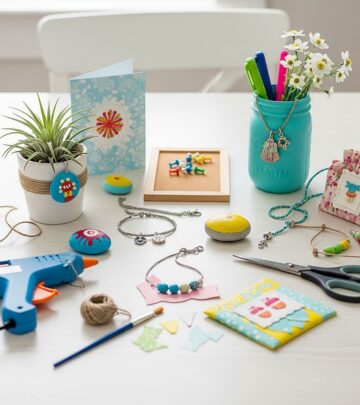
Hobbies: Essential for Health and Happiness
Discover how hobbies boost mental health, reduce stress, and enhance well-being for parents and everyone.
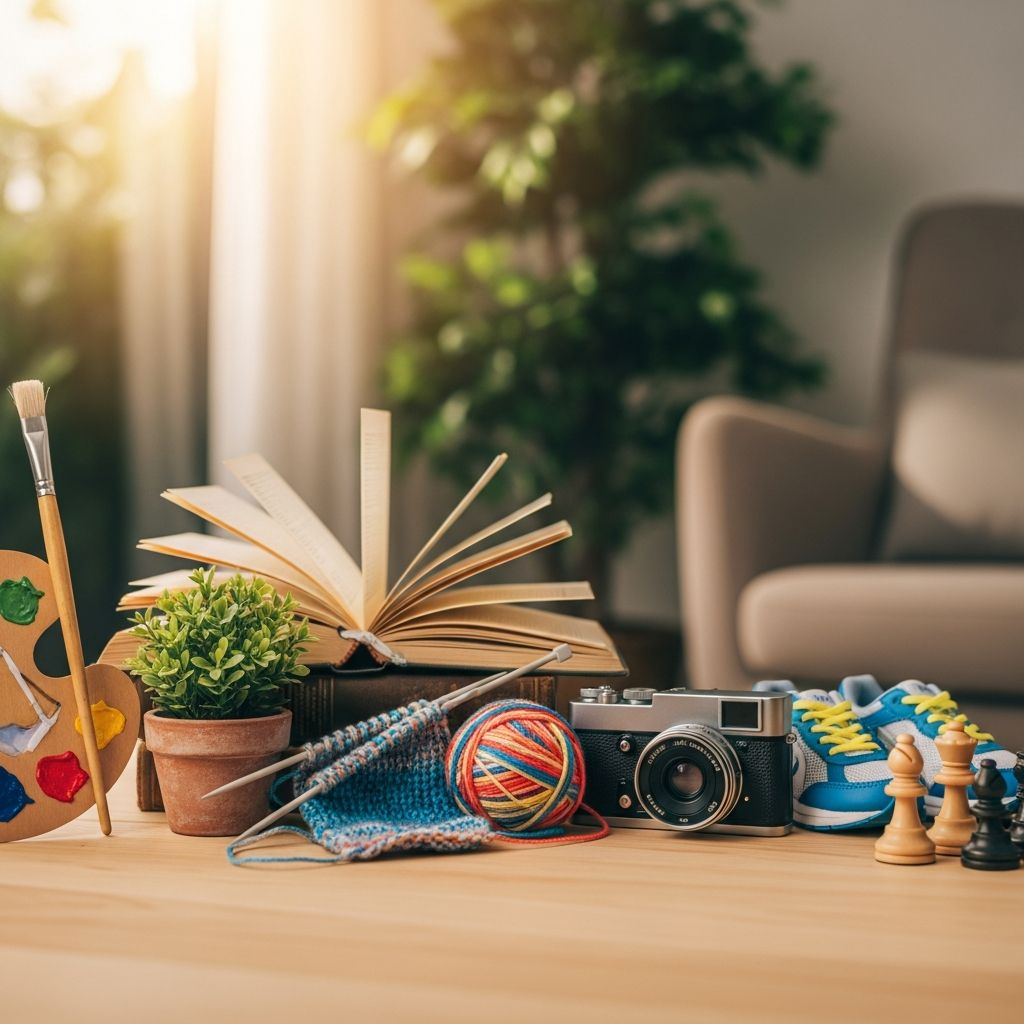
Hobbies offer profound benefits for mental and physical health, particularly for parents navigating demanding schedules. Engaging in personal interests reduces stress, fosters social connections, and enhances overall life satisfaction, as supported by multiple studies.
Why Hobbies Matter in a Busy World
In today’s fast-paced environment, especially for parents, time for self-care often falls by the wayside. Yet, research consistently shows that dedicating time to hobbies is not a luxury but a necessity. A study involving over 90,000 participants across 16 countries found that individuals aged 65 and older with hobbies reported higher health, happiness, and life satisfaction levels. These advantages extend to all ages, including parents who juggle family, work, and home responsibilities.
Hobbies provide a mental reset, countering the chronic stress that can lead to burnout. For instance, activities like crafting or gardening activate brain regions associated with emotion processing, creating small wins that build resilience. Parents who incorporate hobbies report better mood regulation and stronger family bonds, as personal fulfillment spills over into daily interactions.
Key Mental Health Advantages of Pursuing Hobbies
- Stress Reduction: Leisure activities lower cortisol levels, the primary stress hormone. One study demonstrated that 75% of participants experienced reduced cortisol after art-making, regardless of prior experience.
- Lower Depression and Anxiety: Regular hobby engagement, especially in groups, decreases symptoms of depression and anxiety. Team sports participants show notably lower stress markers.
- Enhanced Mood and Self-Esteem: Hobbies promote creativity, self-expression, and accomplishment, boosting serotonin and fostering positive emotions.
- Cognitive Protection: Mentally stimulating hobbies like puzzles or learning instruments improve memory and reduce dementia risk. A Japanese study of 50,000 adults linked more hobbies to lower cognitive decline.
These benefits are particularly vital for parents, who face unique pressures. A hobby can serve as a daily anchor, providing structure amid chaos and modeling healthy habits for children.
Physical Health Gains from Active and Creative Pursuits
Beyond mental perks, hobbies involving movement yield tangible physical improvements. Outdoor activities, even just 10 minutes in nature, enhance mood, focus, and heart health. Research indicates lower blood pressure, better sleep, and improved cardiovascular function among active hobbyists.
| Hobby Type | Physical Benefits | Example Activities |
|---|---|---|
| Outdoor/Active | Reduced blood pressure, better sleep, lower heart rate | Walking, gardening, cycling |
| Creative/Indoor | Stress hormone reduction, improved relaxation | Painting, knitting, writing |
| Group/Social | Enhanced serotonin, social support | Team sports, dance classes, book clubs |
For parents, low-impact hobbies like yoga or home gardening fit seamlessly into routines, promoting longevity and energy for family life.
Building Connections Through Shared Interests
Hobbies bridge isolation, a common challenge for parents. Group activities combat loneliness by forging friendships and support networks. Studies show social hobbies lower depression risks and heighten life satisfaction.
Parents often find community in hobby groups, sharing experiences that validate their journeys. This sense of belonging amplifies well-being, turning solitary pursuits into collective joys.
Practical Hobby Ideas for Time-Strapped Parents
Starting a hobby doesn’t require hours. Begin small:
- Quick Creative Outlets: Doodle during nap time or journal for 10 minutes nightly. Art reduces anxiety effectively in short bursts.
- Family-Integrated Fun: Garden with kids or bake together, blending hobby time with parenting.
- Mindful Movement: Walks in nature or gentle yoga restore energy without gym commitments.
- Skill-Building: Learn guitar via apps or knit simple scarves for a sense of mastery.
- Social Joins: Local classes in pottery or hiking groups offer connection and routine.
Choose based on joy, not perfection. Consistency trumps intensity for sustained benefits.
Overcoming Barriers to Starting a Hobby
Common hurdles include guilt, time scarcity, and self-doubt. Reframe hobbies as investments in resilience. Schedule 15-30 minutes weekly, treating it as non-negotiable self-care. Track progress in a journal to witness mood shifts, reinforcing commitment.
For parents, involve family to ease guilt—turn hobby time into shared memories. If motivation lags, pair with podcasts or music for dual enjoyment.
Science Behind Long-Term Hobby Benefits
Longitudinal research underscores enduring impacts. Older adults with creative hobbies reported fewer illnesses and better daily functioning. Hobbies stimulate neuroplasticity, preserving cognition into later years. For parents, this translates to sustained vitality for raising families.
A Harvard study linked hobbies to happiness and fewer depressive symptoms across demographics, emphasizing universal applicability.
Frequently Asked Questions (FAQs)
What are the best hobbies for stress relief?
Art-making, gardening, and walking in nature top lists, with studies showing cortisol drops and mood boosts.
Can hobbies help with parenting burnout?
Yes, by providing resets, accomplishment, and social ties, reducing burnout risks.
How much time should I dedicate to a hobby?
Even 10-20 minutes daily yields benefits; consistency matters more than duration.
Do hobbies benefit children too?
Absolutely—modeling hobbies teaches balance and sparks their creativity.
Which hobbies protect against cognitive decline?
Puzzles, handicrafts, golf, and fishing lower dementia risk per large-scale studies.
Embracing Hobbies for Lifelong Vitality
Hobbies enrich life by nurturing mind, body, and spirit. For parents, they offer inspiration amid routines, proving small joys yield big rewards. Start today—your well-being depends on it.
References
- How Hobbies Improve Mental Health — Utah State University Extension. 2023. https://extension.usu.edu/mentalhealth/articles/how-hobbies-improve-mental-health
- How Do Hobbies Help Mental Health? — NCESD. 2024. https://www.ncesd.org/behavior-health/hobbies-mental-health/
- 3 Proven Health Benefits of Having a Hobby — UCLA Health. 2023-10-15. https://www.uclahealth.org/news/article/3-proven-health-benefits-having-hobby
- Exploring the Impact of Hobbies on Mental Health and Well-Being — Taylor & Francis (PubMed-linked). 2025. https://pubmed.ncbi.nlm.nih.gov/40489730/
- Why Hobbies Are Good for Your Mental Health — Mental Health America. 2023. https://mhanational.org/resources/why-hobbies-are-good-for-your-mental-health/
- How Do Hobbies Help With Mental Health? — Mercy Health Blog. 2024. https://blog.mercy.com/hobbies-improving-mental-health/
- Health Benefits of Hobbies — WebMD. 2023. https://www.webmd.com/balance/health-benefits-of-hobbies
Similar Articles






Read full bio of Sneha Tete