Introducing Solids to Babies: A Complete Guide
Discover expert advice on when, what, and how to start solid foods for healthy infant development and nutrition.
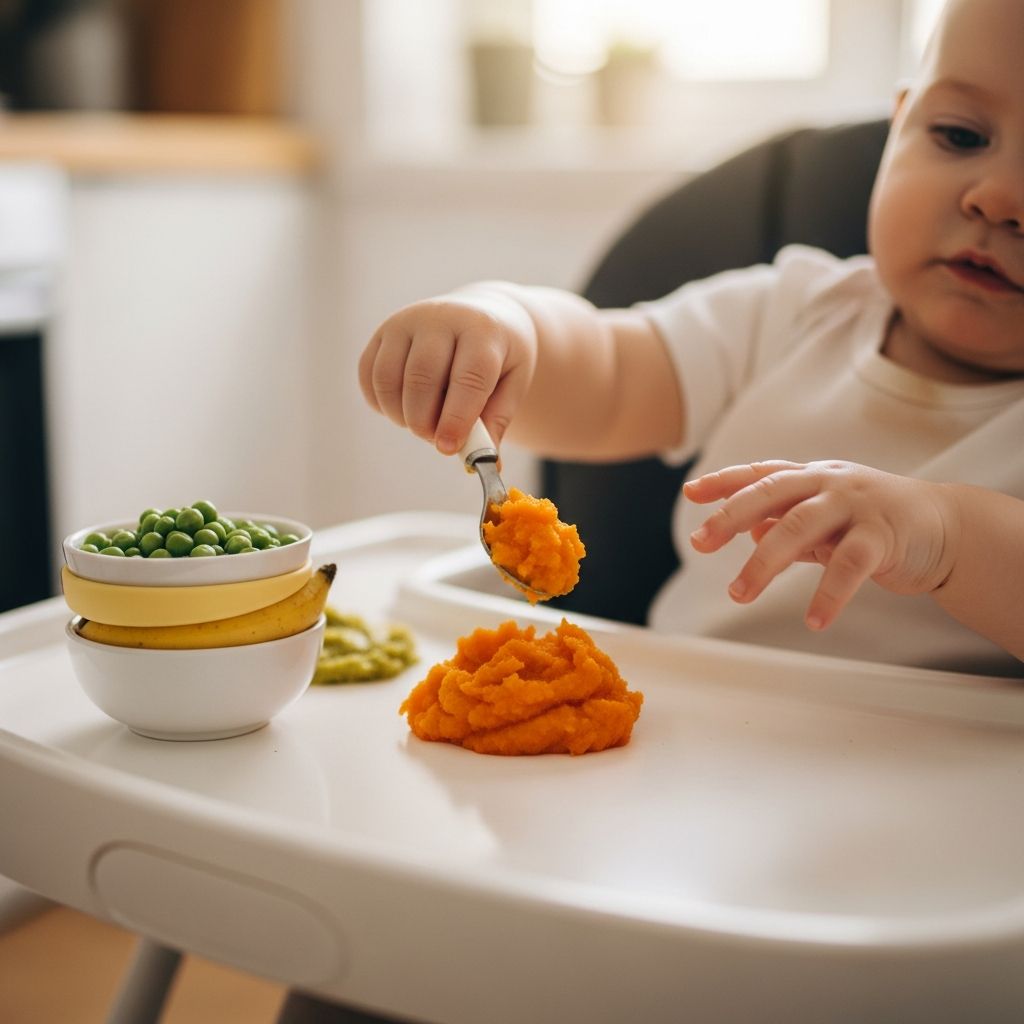
Transitioning your baby from exclusive milk feeds to solid foods marks an exciting developmental milestone. Around 6 months, most infants show readiness signs, allowing parents to introduce nutrient-rich solids while continuing breastfeeding or formula as the primary nutrition source until age 1. This guide draws from authoritative pediatric recommendations to help you navigate this phase safely and effectively.
Recognizing Developmental Readiness for Solids
Determining the right time to begin solids is crucial to avoid risks like obesity or choking. The Centers for Disease Control and Prevention (CDC) advises starting at about 6 months, not before 4 months, as early introduction increases health concerns later. Every infant develops uniquely, so observe these key signs:
- Sits independently or with minimal support, demonstrating good head and neck control.
- Opens mouth eagerly when food approaches.
- Swallows food instead of pushing it out with the tongue (tongue-thrust reflex fading).
- Reaches for and grasps small objects, showing interest in food.
- Transfers food from the front to back of the mouth for swallowing.
Pediatricians like Dr. Lori Openshaw from CHOC emphasize consulting a doctor if considering solids before 6 months, as breastmilk or formula remains optimal for the first half-year. The American Academy of Pediatrics (AAP) supports exclusive breastfeeding for approximately 6 months, followed by continued nursing with solids. Babies doubling birth weight around 4 months may seem ready, but developmental cues supersede weight alone.
Essential Nutrients and Why Timing Matters
By 6 months, infants’ iron and zinc stores from birth deplete, necessitating solids for replenishment. The National CACFP Association notes that nutrient-dense foods at this stage support growth and prevent deficiencies. Iron-fortified cereals or pureed meats provide these vital minerals, complementing milk feeds.
| Nutrient | Role in Infant Development | Sources in Early Solids |
|---|---|---|
| Iron | Supports blood production and brain development | Fortified cereals, pureed meats |
| Zinc | Aids immune function and growth | Meats, beans, fortified grains |
| Vitamin D | Bone health (supplement if recommended) | Formula, fortified foods |
Delaying beyond 6 months risks missing this nutrient window, while rushing heightens obesity risk per studies cited by experts.
Selecting and Preparing the First Foods
Begin simply with single-ingredient, iron-fortified options to monitor tolerance. AAP and CDC agree no rigid order is needed; variety across food groups promotes acceptance. Recommended starters include:
- Iron-fortified cereals (rice, oatmeal, barley): Mix 1-2 tablespoons with breastmilk, formula, or water for familiar taste.
- Pureed vegetables (sweet potatoes, peas, carrots): Steam and blend smooth.
- Mashed fruits (avocado, banana, pear): Naturally soft and creamy.
- Pureed proteins (meat, lentils): Nutrient-dense alternatives to grains.
Dr. Openshaw suggests half-spoonfuls initially, following baby’s cues—no set amounts, as self-regulation prevents overfeeding. Puree fresh produce at home using a blender or fork for control over textures and ingredients. Gerber’s guide echoes starting with 1 tablespoon cereal, advancing gradually. Avoid cow’s milk as a drink until 12 months, though yogurt is fine earlier.
Step-by-Step Feeding Techniques
Make mealtimes positive by feeding in an upright high chair with support. Offer milk first if baby is very hungry to ease frustration, then solids, finishing with more milk. Key techniques:
- Use a small, soft spoon; start with tiny amounts (teaspoon or less).
- Talk encouragingly: “Mmm, yummy carrot!” to build association.
- Expect mess—nose wrinkling or spitting is normal learning.
- One new food every 3-5 days to spot reactions like rash or vomiting.
Frequency builds slowly: once daily for weeks, then twice, up to three times by 7-8 months. Amounts grow from teaspoons to 1/4-1/2 cup per sitting. Boston Children’s Hospital advises progressing from purees to soft dissolvable pieces like overcooked pasta, then shreds, fostering chewing skills sans teeth.
Allergy Prevention and Safe Introduction
Early exposure to allergens reduces risk, per AAP—no need to delay eggs, peanuts, fish, or dairy beyond 4-6 months if baby-safe (soft/pureed). Introduce peanuts if high-risk (eczema/egg allergy) only after doctor consultation. Watch 3-5 days per new food.
Choking prevention: Always supervise; avoid hard foods like raw carrots or whole grapes. Soft textures first ensure safety.
Sample Weekly Menu for 6-7 Month Olds
| Day | Morning | Afternoon | Evening |
|---|---|---|---|
| Monday | Oat cereal + breastmilk | Pureed sweet potato | Avocado mash |
| Tuesday | Rice cereal | Pea puree | Banana |
| Wednesday | Oat cereal | Carrot puree | Pureed chicken |
| Thursday | Rice cereal + fruit | Sweet potato | Pear mash |
| Friday | Barley cereal | Green bean puree | Avocado |
| Weekend | Variety repeats | Introduce yogurt | Meat puree |
Adjust based on acceptance; include iron sources daily.
Progressing Textures and Family Foods
By 8-9 months, mash foods coarsely, then offer soft finger foods: steamed veggie sticks, soft fruits, small pasta. This builds motor skills and self-feeding. By 12 months, transition to table foods chopped safely. Continue milk feeds; solids complement, not replace.
Common Challenges and Solutions
Picky eating: Offer variety without pressure; repeated exposure (10-15 times) aids acceptance.
Constipation: Increase fruits/veggies; prunes help.
Gagging: Normal protective reflex; distinguish from choking (silent, panicked).
Consult pediatrician for poor weight gain, refusal, or allergies.
Frequently Asked Questions
What if my baby rejects solids?
Patience is key—babies may need 10+ tries. Mix with familiar milk; try different times.
Can I start with baby-led weaning?
Yes, alongside purees if developmentally ready (sitting, grasping). Offer soft sticks like avocado.
How much solids per day at 6 months?
2-4 tablespoons total, split over 1-2 meals; increase per cues.
When to introduce allergens?
After single foods, around 6 months; consult doctor for high-risk babies.
Does order matter—veggies before fruits?
No evidence supports this; variety prevents preferences.
References
- Starting solid foods with babies: An ultimate guide — CHOC Health. 2023. https://health.choc.org/starting-solid-foods-with-babies-an-ultimate-guide/
- When, What, and How to Introduce Solid Foods — CDC. 2024-10-07. https://www.cdc.gov/infant-toddler-nutrition/foods-and-drinks/when-what-and-how-to-introduce-solid-foods.html
- Starting Solid Foods — HealthyChildren.org (AAP). 2023. https://www.healthychildren.org/English/ages-stages/baby/feeding-nutrition/Pages/Starting-Solid-Foods.aspx
- A guide to starting solids — Gerber Medical Hub. 2023. https://medical.gerber.com/sites/default/files/flmngr/pdf/guide-to-starting-solids.pdf
- Giving Solid Foods Safely To Your Baby — Boston Children’s Hospital (YouTube). 2023. https://www.youtube.com/watch?v=8MPT4PPFHNE
- Introducing Solid Foods to Infants — National CACFP Association. 2025-10-07. https://www.cacfp.org/2025/10/07/introducing-solid-foods-to-infants/
Similar Articles








Read full bio of medha deb