Understanding Kidney Stones in Children: A Parent’s Guide
Learn how to recognize, treat, and prevent kidney stones in kids with expert medical guidance.
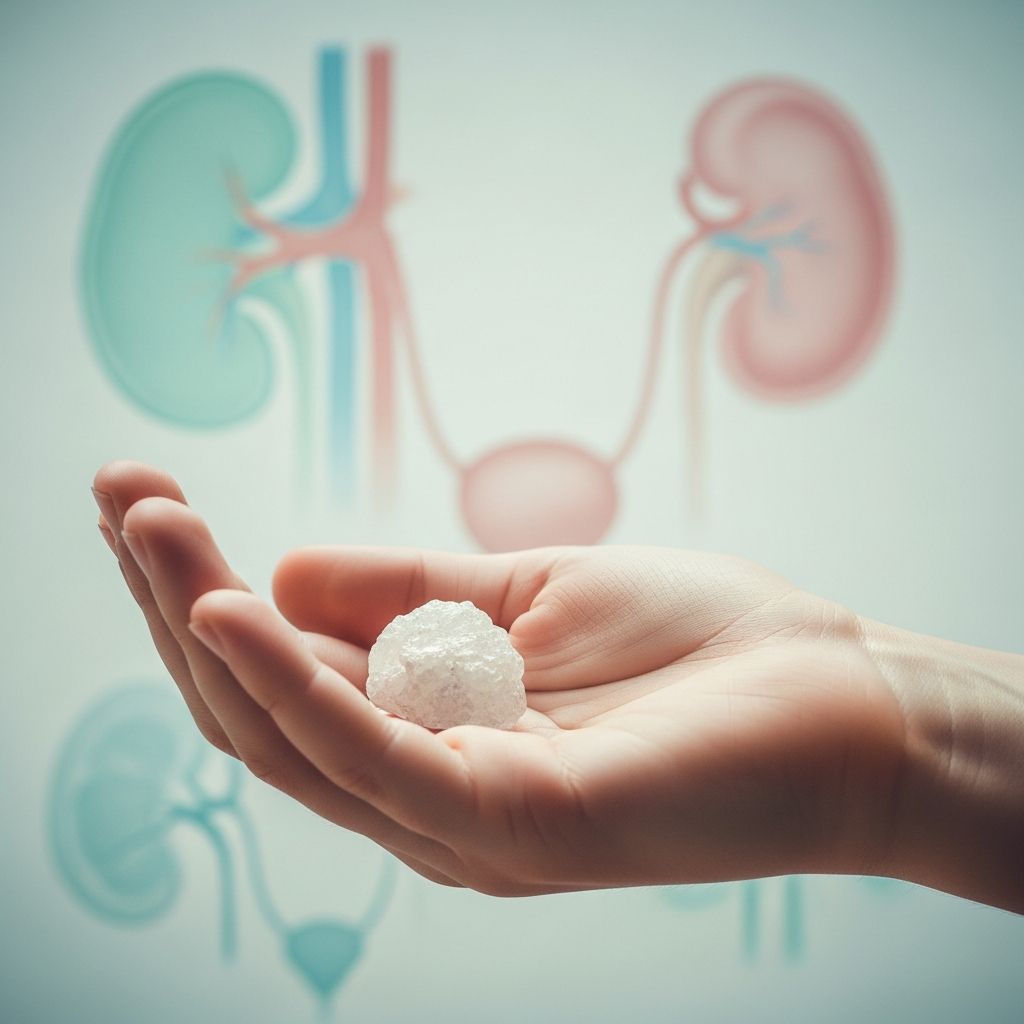
Introduction to Pediatric Kidney Stones
Kidney stones are becoming increasingly common in children and adolescents, a trend that has surprised many healthcare professionals over the past decade. These hard mineral deposits form inside the kidneys when certain substances become overly concentrated in the urine. Unlike the common perception that kidney stones primarily affect adults, children of all ages can develop them, from infants to teenagers. Understanding this condition is essential for parents who want to recognize warning signs early and take preventive action to protect their child’s urological health.
A kidney stone begins as tiny mineral crystals that cluster together over time, eventually forming a solid mass. These stones can range in size from barely visible grains of sand to formations as large as a golf ball. When a stone moves through the urinary tract system, it can cause severe discomfort and potentially serious complications if not addressed promptly. The increase in pediatric kidney stone cases has been linked to dietary habits, hydration patterns, and other lifestyle factors that are increasingly prevalent in modern childhood.
Recognizing the Physical Warning Signs
Parents should be alert to several distinctive physical indicators that suggest a child may have a kidney stone. The presentation of symptoms can vary depending on the child’s age and the stone’s location within the urinary system. Young children may struggle to articulate their discomfort clearly, making parental vigilance even more important.
Primary Pain Manifestations
- Abrupt and intense pain in the back or flank region, typically on one side
- Discomfort radiating toward the lower abdomen or groin area as the stone moves through the urinary tract
- Generalized stomach pain, particularly common in younger children who cannot pinpoint the exact location
- Pain that fluctuates in intensity, coming and going in waves rather than remaining constant
Urinary and Systemic Indicators
- Visible blood in the urine, ranging from pink to dark red coloration
- Burning sensations or discomfort during urination
- Increased frequency of urination or sudden difficulty urinating
- Cloudy appearance or foul odor of the urine
- Nausea and vomiting, often accompanying the pain episodes
- Fever and chills, which may indicate a secondary infection
- Unexplained irritability, fussiness, or crying in infants and toddlers who cannot verbalize pain
The severity of pain experienced during kidney stone passage is often underestimated. Many patients report that passing a kidney stone represents the most intense pain they have ever experienced, making prompt medical evaluation crucial when symptoms appear.
Understanding the Underlying Causes
Kidney stone formation in children results from an imbalance in the chemical composition of urine. Several mineral compounds can precipitate out of solution and crystallize when present at elevated concentrations. Understanding these causes helps parents implement targeted prevention strategies.
Primary Mineral Contributors
The most common minerals involved in pediatric kidney stone formation include calcium, oxalate, and phosphorus. Under normal circumstances, these substances exist harmlessly in urine, but when their concentrations exceed the urine’s capacity to maintain them in solution, crystallization occurs. Additionally, uric acid can contribute to stone formation in some cases. The body naturally eliminates these minerals through urine, but certain conditions disrupt this normal process.
Lifestyle and Dietary Factors
Modern dietary patterns significantly influence kidney stone development in children. Several specific habits increase the risk substantially.
- Inadequate hydration: Many children consume insufficient water daily, resulting in concentrated urine that promotes crystal formation
- Excessive sodium intake: High-salt processed and fast foods increase urinary calcium levels
- High animal protein consumption: Meat-based diets can elevate uric acid concentrations
- Certain food and beverage choices: Particular foods and drinks may increase stone formation risk in susceptible children
Medical and Physiological Contributors
Beyond dietary causes, several medical conditions and circumstances increase kidney stone risk in children. Immobility from casts or prolonged bed rest following surgery can trigger stone formation because reduced movement allows extra calcium to be released from bones into the bloodstream. Children with urinary tract infections, inflammatory bowel disease, cystic fibrosis, or metabolic disorders face elevated risk. Furthermore, certain medications including diuretics and anti-seizure drugs can alter mineral balance and increase stone formation probability.
Genetic and Obesity Factors
A family history of kidney stones significantly increases a child’s likelihood of developing them, suggesting genetic predisposition plays a role in susceptibility. Additionally, overweight and obese children experience metabolic disturbances that contribute to stone formation. These children may have altered calcium and uric acid metabolism, compounding their risk.
The Diagnostic Process
When a child presents with symptoms suggestive of kidney stones, healthcare professionals employ imaging techniques to confirm the diagnosis. The specific approach depends on the child’s symptoms and clinical presentation. Doctors typically use ultrasound, X-ray imaging, or computed tomography (CT) scans to visualize stones within the urinary system. These diagnostic tools help determine the stone’s size, location, and potential for causing complications.
Treatment Approaches Based on Stone Characteristics
The optimal treatment strategy depends on several factors including the stone’s size, its precise location within the urinary system, the specific mineral composition, and whether complications have developed. Treatment generally falls into two categories: conservative management for smaller stones and surgical intervention for larger or problematic stones.
Conservative Management Strategies
For many children, especially those with smaller stones that measure less than 5 millimeters in diameter, conservative approaches prove effective. These methods allow the body’s natural processes to expel the stone while managing discomfort.
- Increased fluid intake: Consuming higher volumes of water and appropriate fluids helps flush the urinary system and facilitates stone passage
- Pain management: Age-appropriate pain relievers such as acetaminophen or ibuprofen help control discomfort during passage
- Alpha blocker medications: These drugs relax muscles in the urinary tract, easing stone passage and reducing associated pain
- Observation and monitoring: Regular follow-up appointments track stone movement and development
Surgical and Advanced Interventions
When conservative approaches prove insufficient or complications arise, surgical intervention becomes necessary. Healthcare providers recommend surgery in specific circumstances to prevent kidney damage and infection.
| Surgical Indication | Clinical Scenario |
|---|---|
| Size consideration | Stones too large to pass naturally through the urinary tract |
| Obstruction | Complete blockage of urine flow from the kidney to the bladder |
| Duration | Stone remains in place for more than one month without passing |
| Infection risk | Development of fever or urinary tract infection |
| Pain severity | Constant, unrelenting pain despite medical management |
| Kidney damage | Evidence of kidney function impairment or bleeding |
| Growth progression | Imaging shows stone has enlarged since initial diagnosis |
Common surgical procedures include ureteroscopy, where a thin instrument is threaded through the urinary tract to locate and remove or fragment the stone, and percutaneous nephrolithotomy, a minimally invasive procedure that removes larger stones directly from the kidney. These interventions aim to relieve pain, restore normal urine flow, and prevent permanent kidney damage.
Preventing Future Stone Formation
Prevention represents the most effective approach to kidney stone management in children. Parents can implement several evidence-based strategies to substantially reduce their child’s risk of recurrence or initial stone development.
Dietary Modifications
- Reduce sodium consumption by limiting processed foods, fast food, and added salt
- Moderate animal protein intake through balanced meal planning
- Encourage consumption of fruits and vegetables while monitoring high-oxalate foods
- Limit sugary beverages and encourage water as the primary drink
Hydration Excellence
Adequate daily fluid intake remains perhaps the single most important preventive measure. Parents should ensure children drink sufficient water throughout the day to maintain dilute urine. This simple intervention significantly reduces the concentration of stone-forming minerals in the urinary system. Healthcare providers can recommend specific daily fluid goals based on the child’s age and individual risk factors.
Medical Management
In some cases, preventive medications help reduce kidney stone recurrence. These may include compounds that modify urine chemistry to discourage crystal formation. Additionally, parents should work with healthcare providers to evaluate whether current medications contribute to stone risk, as some common drugs can be adjusted or replaced with alternatives that pose less risk.
Antibiotic Stewardship
Recent research has revealed that excessive antibiotic use may actually affect how the gastrointestinal tract absorbs minerals involved in kidney stone formation, increasing urinary mineral concentrations. Parents should work with their child’s doctor to ensure antibiotics are prescribed only when genuinely necessary rather than for viral infections where they prove ineffective.
Long-Term Outlook and Prognosis
Most children pass kidney stones without sustaining permanent damage to their kidneys. However, stones that become lodged in the ureter, the tube connecting the kidney to the bladder, can cause serious complications including infection and kidney function impairment if not promptly removed. With appropriate medical management and prevention strategies, many children never experience a recurrence after their initial stone episode.
When surgical removal becomes necessary, modern minimally invasive techniques allow healthcare providers to remove stones while preserving kidney tissue and function. Follow-up imaging studies monitor whether stones regrow, informing decisions about continued preventive therapy.
When to Seek Immediate Medical Attention
Certain symptoms warrant immediate emergency evaluation rather than routine office appointments. Parents should seek care at an emergency department if their child experiences:
- Severe, unrelenting pain in the back, side, or abdomen
- Fever accompanying kidney stone symptoms
- Inability to urinate or pass urine only in tiny amounts
- Significant blood in the urine
- Persistent vomiting that prevents adequate hydration
These symptoms may indicate serious complications such as urinary tract infection, kidney damage, or complete urinary obstruction requiring urgent intervention.
Frequently Asked Questions
Q: Can very young children develop kidney stones?
A: Yes, kidney stones can form in children of any age, including infants, though they are less common in very young children. In infants and toddlers, symptoms may manifest as unexplained irritability, fussiness, or crying since they cannot verbalize pain.
Q: How long does it typically take for a child to pass a kidney stone?
A: The timeframe varies considerably depending on stone size and location. Small stones may pass within days or weeks with conservative management, while larger stones may require weeks or longer. If a stone does not pass within approximately one month, surgical removal may be recommended.
Q: Are certain children at higher risk for kidney stones?
A: Yes, children with family histories of kidney stones, those with underlying medical conditions like inflammatory bowel disease or cystic fibrosis, overweight children, and those on certain medications face elevated risk. Additionally, children with inadequate hydration and high-sodium diets develop stones more frequently.
Q: Can kidney stones cause permanent damage to a child’s kidneys?
A: In most cases, kidney stones pass without causing permanent damage. However, stones that obstruct urine flow for extended periods or cause repeated infections can eventually impair kidney function. Prompt medical evaluation and treatment minimize this risk.
Q: What can parents do to prevent kidney stones?
A: Parents should ensure adequate daily water intake, reduce dietary sodium and processed foods, maintain balanced nutrition, encourage physical activity to prevent immobility-related stone formation, and use antibiotics judiciously. Regular check-ups allow healthcare providers to monitor risk factors.
References
- Symptoms & Causes of Kidney Stones in Children — National Institute of Diabetes and Digestive and Kidney Diseases (NIDDK). 2024. https://www.niddk.nih.gov/health-information/urologic-diseases/kidney-stones-children/symptoms-causes
- Kidney Stones Becoming More Prevalent in Children: What Parents Should Know — Michigan Medicine. 2024. https://www.michiganmedicine.org/health-lab/kidney-stones-becoming-more-prevalent-children-what-parents-should-know
- Kidney Stones in Children & Teens — National Kidney Foundation. 2024. https://www.kidney.org/kidney-topics/kidney-stones-children-teens
- Kidney Stones in Children: Signs, Risks, and Care — Kidsville Pediatrics. 2024. https://www.kidsvillepeds.com/blog/1317244-kidney-stone-isnt-just-for-adults-protect-your-childs-health
- Kidney Stones in Children — Children’s Hospital of Philadelphia. 2024. https://www.chop.edu/conditions-diseases/kidney-stones-children
- Kidney Stones in Children — Children’s Hospital Colorado. 2024. https://www.childrenscolorado.org/conditions-and-advice/conditions-and-symptoms/conditions/kidney-stones/
Similar Articles








Read full bio of Sneha Tete