Kidney Stones in Kids: Guide for Parents
Essential insights for parents on recognizing, treating, and preventing kidney stones in children from infancy through adolescence.
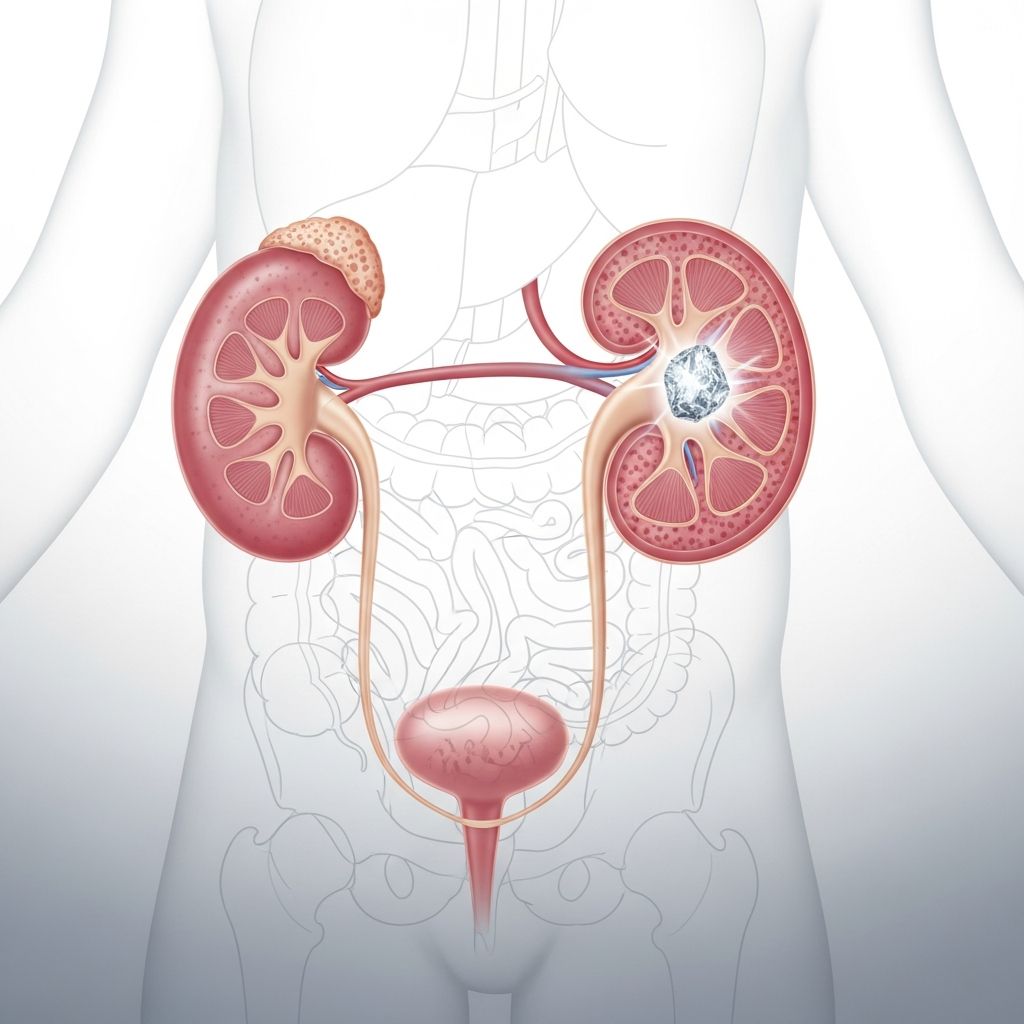
Kidney Stones in Kids: A Parent’s Complete Guide
Kidney stones in children form when minerals and salts in urine crystallize into hard deposits within the kidneys. These can range from tiny grains to larger masses, potentially causing significant discomfort as they move through the urinary system.
Recognizing the Signs of Kidney Stones in Young Ones
Children experiencing kidney stones often display distinct symptoms that warrant prompt parental attention. The most prevalent indicator is intense, sharp pain in the back, side, lower belly, or groin area, which may fluctuate in waves or persist steadily. Infants and toddlers might show this through unusual fussiness, constant crying, or restlessness, as they struggle to articulate their distress.
Urinary changes are another red flag: blood-tinged urine (hematuria), appearing pink, red, or brown; cloudy or foul-smelling urine; frequent urges to urinate; pain or burning during urination; or difficulty passing even small amounts. Accompanying issues like nausea, vomiting, fever, chills, or stomach upset further signal a problem, especially if an infection develops.
In younger children, symptoms can mimic tummy aches or general malaise, making diagnosis challenging without medical input. Parents should seek immediate care if pain is severe, fever rises, or urination halts entirely, as these could indicate blockage or complications beyond stones.
Why Do Kidney Stones Develop in Children?
The formation of kidney stones stems primarily from elevated concentrations of minerals such as calcium, oxalate, phosphorus, or cystine in the urine. At normal levels, these pose no issue, but supersaturation leads to crystal formation and stone growth.
Dietary factors play a major role. High-sodium intake from processed foods, fast food, or snacks boosts urinary calcium, heightening risk. Sugary drinks, excessive animal proteins, and low fluid consumption concentrate urine, promoting crystallization. Dehydration is particularly common in active kids or those in hot climates who don’t replenish fluids adequately.
Immobility increases susceptibility; children in casts or bedridden post-surgery release excess calcium from bones into the bloodstream and urine. Genetic predispositions amplify vulnerability: family history raises odds, while rare disorders like primary hyperoxaluria (overproducing oxalate), cystinuria (excess cystine), or medullary sponge kidney (kidney cysts) directly cause stones.
Recent trends show rising incidence in pediatric cases, linked to modern diets rich in salt and ultra-processed items, plus antibiotic overuse potentially altering gut flora and mineral absorption. Underlying conditions like obesity or metabolic issues also contribute.
Risk Factors Every Parent Should Know
- Dehydration: Insufficient water intake leads to concentrated urine.
- High-salt diets: Promotes calcium excretion in urine.
- Genetics: Family history or inherited conditions.
- Immobility: From injury or illness.
- Obesity and diet: Excess sugars, proteins.
- Medications or infections: Certain antibiotics or recurrent UTIs.
Diagnosing Kidney Stones in Pediatrics
Healthcare providers start with a detailed history and physical exam, focusing on symptoms and family background. Urine tests reveal blood, crystals, infection, or mineral levels; blood work checks for dehydration, electrolytes, or metabolic clues.
Imaging is crucial: ultrasound is preferred for kids to avoid radiation, visualizing stones, blockages, or swelling. Low-dose CT scans or X-rays may follow for precise sizing and location if needed. Stone analysis, if passed or removed, identifies composition to tailor prevention.
Treatment Approaches Tailored for Children
Treatment hinges on stone size, location, symptoms, and child age. Many small stones (<5mm) pass naturally with supportive care.
| Stone Size | Common Treatment | Details |
|---|---|---|
| <5mm | Hydration & Pain Management | Drink 1.5-2L fluids daily; ibuprofen/acetaminophen for pain. |
| 5-10mm | Medications + Monitoring | Alpha-blockers relax ureters; strain urine to catch stone. |
| >10mm or Blocked | Procedures/Surgery | Ureteroscopy, shock wave lithotripsy, or percutaneous removal. |
For passage assistance, doctors recommend ample fluids to flush the system, alongside pain relievers. Alpha-blockers ease ureter muscles; antibiotics treat infections. If stones obstruct urine flow, cause persistent pain, fever, or kidney strain, intervention is urgent to avert damage.
Minimally invasive options like ureteroscopy (scope removes/breaks stones) or extracorporeal shock wave lithotripsy (sound waves fragment stones) suit most pediatric cases. Rarely, larger stones need percutaneous nephrolithotomy. Post-treatment, 24-hour urine collection guides prevention.
Preventing Recurrence: Practical Strategies for Families
Prevention focuses on lifestyle tweaks, as up to 50% of kids risk repeat stones without changes. Key steps include:
- Increase fluids: Aim for clear urine; 8-12 cups daily, more in heat/sports.
- Low-sodium diet: Limit processed foods; choose fresh fruits/veggies.
- Balanced nutrition: Moderate protein, oxalate-rich foods (spinach, nuts); citrus for citrate protection.
- Weight management: Healthy BMI reduces risk.
- Regular check-ups: Monitor with pediatric nephrologists/urologists.
Custom plans from stone analysis might include potassium citrate meds to inhibit crystals. Educating families empowers long-term health.
Potential Complications and Long-Term Outlook
Untreated stones risk urinary blockages, infections, kidney swelling (hydronephrosis), or scarring, impairing function over time. Early intervention typically yields excellent outcomes; most kids pass stones without lasting harm.
Follow-up imaging and metabolic screens prevent repeats. With prevention, recurrence drops significantly.
Frequently Asked Questions About Kidney Stones in Children
Can infants get kidney stones?
Yes, though rare; symptoms show as irritability or poor feeding. Dehydration or metabolic issues contribute.
How painful are kidney stones for kids?
Often described as excruciating, like worst pain ever; varies by stone movement.
Do all kidney stones require surgery?
No, most small ones pass naturally with fluids and meds.
Is diet change enough to prevent stones?
Often yes, combined with hydration; personalized advice best.
When to go to ER for suspected stones?
Severe pain, fever, vomiting, no urine output, or blood in urine.
References
- Symptoms & Causes of Kidney Stones in Children — National Institute of Diabetes and Digestive and Kidney Diseases (NIDDK). 2023. https://www.niddk.nih.gov/health-information/urologic-diseases/kidney-stones-children/symptoms-causes
- Kidney Stones in Children & Teens — National Kidney Foundation. 2024. https://www.kidney.org/kidney-topics/kidney-stones-children-teens
- Kidney stones becoming more prevalent in children: What parents should know — Michigan Medicine, University of Michigan. 2023-05-15. https://www.michiganmedicine.org/health-lab/kidney-stones-becoming-more-prevalent-children-what-parents-should-know
- Kidney Stones in Children: Signs, Risks, and Care — KidsVille Pediatrics. 2024. https://www.kidsvillepeds.com/blog/1317244-kidney-stone-isnt-just-for-adults-protect-your-childs-health/
- Kidney Stones in Children — Children’s Hospital of Philadelphia (CHOP). 2024. https://www.chop.edu/conditions-diseases/kidney-stones-children
- Kidney Stones in Children — Children’s Hospital Colorado. 2024. https://www.childrenscolorado.org/conditions-and-advice/conditions-and-symptoms/conditions/kidney-stones/
Similar Articles







Read full bio of medha deb